Author name: Owen Drury

enter energy efficient retrofit europe
Technology

Enter: Revolutionising Home Energy Retrofits in Europe

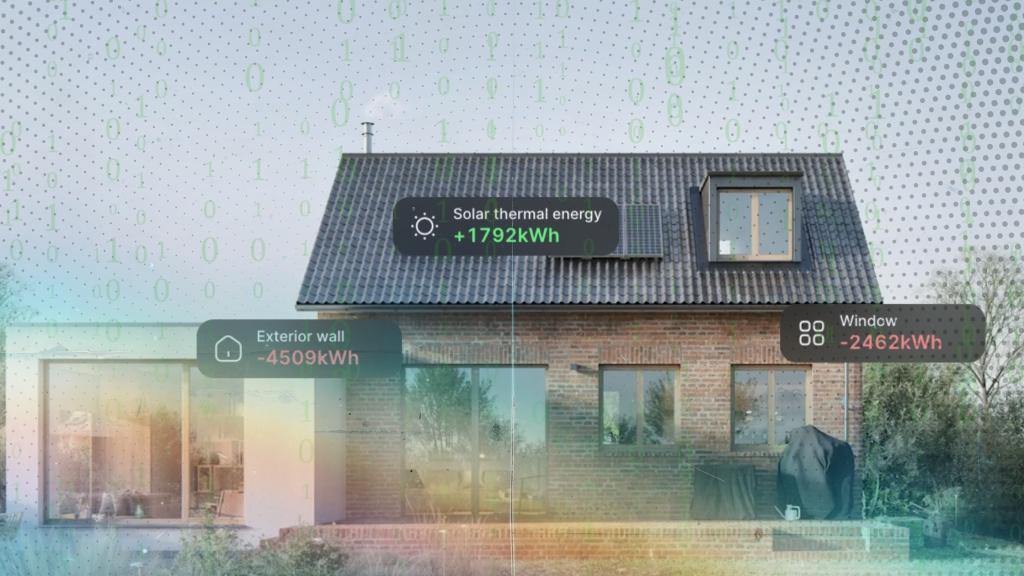
  In the heart of Europe’s green revolution, a German startup is making waves in the home energy efficiency market. Enter, formerly known as Baupal, is not just another player in the retrofitting game – it’s changing the rules entirely.   A €19.4 Million Vote of Confidence Enter has  secured a whopping €19.4 million in Series A funding. This round, led by Target Global, saw participation from heavyweight investors including Coatue, Foundamental, A/O Proptech, and Partech. But what’s driving this level of investment?   A Story of Bootstrapped Success While they have secured significant funding, their journey began with impressive bootstrapping. As Patric Hellerman, Founding Partner and GP at Foundamental, notes: “Enter was already net profitable. So the company had more or less bootstrapped with very, like we’re talking 100,000 bucks of family and friends money that they had used to become that profitable.” This testament to Enter’s efficient business model and market fit helps explain why investors are now so eager to back their expansion.   Enter helps homeowners make smart choices for energy-efficient homes.   The Magic of Data: Enter’s Unique Approach Enter’s secret weapon is its innovative use of data. Here’s how it works: Digital Survey: Homeowners answer just 8-9 questions. AI Analysis: Enter’s system processes these answers into 250 data points. Accurate Assessment: This method achieves 90% accuracy in identifying energy-saving potential. On-Site Verification: Energy consultants visit to verify and gather more data. Digital Twin: Homeowners receive a virtual replica of their building.   This process provides a clear roadmap for improving energy efficiency, all starting from a simple questionnaire.   Bridging a Critical Gap Germany faces a significant challenge: Current renovation rate: 200,000 properties per year Required rate to meet climate goals: Over 1 million properties annually Traditional methods simply can’t keep up. Enter’s streamlined process aims to bridge this massive gap.   More Than Just Assessments Enter goes beyond energy assessments: Handles subsidy applications for renovations Offers financing options Facilitates contractor bidding process This comprehensive approach makes energy-efficient upgrades more accessible and affordable for homeowners. Patric highlights the importance of Enter’s approach: “The energy audit is the right to play in this market because you acquire the physical substance and you gain the trust of the customer because you’re a credible arbitrator.” This insight underscores how Enter’s detailed assessments are key to building trust and driving action in the retrofit market.   Enjoying this article? You might also want to check out this episode which covers Kelvin, a French startup using AI for home energy audits, which just raised 4.7 million euros.   Investor Insights Dr. Ricardo Schaefer from Target Global praises Enter’s technology for its ability to help homeowners easily unlock their homes’ energy potential. “Ensuring that our use of energy is both effective and sustainable has become a key consideration for many people around the globe. Through Enter´s unique technology, homeowners are able to identify the full energy potential of their homes and get access to energy saving home improvements at the tip of their fingertips.” Sarah Cannon from Coatue highlights the importance of Enter’s work in the context of Europe’s transition to energy sovereignty.   From the Founders’ Perspective Justus Menten, Enter’s co-founder and managing director, emphasises the need for efficiency: “Currently, around 200,000 properties are renovated in Germany each year. However, to meet our climate goals, we need to renovate more than one million properties.” Co-founder Max Schroeren adds, “We gather 250 data points and only ask eight to nine questions. This provides us with 90% accuracy regarding the real energy-saving potential of the house.   The Challenge Ahead The task Enter faces is monumental. Millions of buildings need upgrading, and traditional methods are falling short. But with their data-driven approach and strong financial backing, Enter is well-positioned to make a significant impact.      

Newsletter

ICYMI: AI, Cash Deals & The End of Pointless Tech?

This Week’s Quickfire BytesFuel your curiosity with this week’s contentW/C 15th July 2024 NEW EPISODES: Will AI Replace Construction Managers? – Amir Berman, Go-To-Market Strategist At Buildots In this episode, Amir Berman of Builddots challenges the status quo in construction technology. We explore how AI and data are silently revolutionizing the industry, despite widespread skepticism. Amir shares lessons from his failed startup, proposing controversial new models for ROI and product management in construction tech. We delve into the clash between digital solutions and physical realities and uncover strategies to bridge this divide. open.spotify.com/episode/6AuYlB1xdgDsv4OaQjVUfg €69M for Carbon Capture, Trimble Buys Flashtract & Why VC Success from Accelerators is Misleading Is raising venture capital really a sign of success for startups? In this episode, we explore Neustark’s €69M growth round. We learn how they’re making carbon capture a scalable industrial process, not just a scientific breakthrough. We also dive into Trimble’s acquisition of Flashtract, following similar moves by Autodesk and Procore. This trend is reshaping construction payment solutions. Patric also shares some candid thoughts on startup accelerators and what really matters for success. Hint: it’s not just about fundraising. open.spotify.com/episode/6EqBfbso7X49idfVYl6w9x Why Latin America Needs Its Own Construction Tech Solutions – Bernardo Gamboa, Partner at Global Projects Strategy Is Latin America the next frontier for construction tech? In this episode, we had Bernardo Gamboa, Partner at Global Projects Strategy, who shared fascinating insights into the construction tech landscape in Latin America. Tune in to find out about: the unique challenges and opportunities in the Latin American construction market, how financial solutions are driving tech adoption in the region, why US companies struggle to expand into Latin America, and the exciting potential for AI and data-driven solutions in construction. open.spotify.com/episode/4jQYUgsdwQncOBEVC6vcT View All Podcasts BRICKS & BYTES BULLETINAre We FINALLY Done With Point Solutions? A few months back, I published a post that seemed to mark my own journey in exploring the death of the point solution.  Since then, and thanks to a little bit of cognitive bias kicking in, this thesis has followed me around. My bias-o-meter shot right up following a conversation I had with an individual at one of the largest construction tech companies on the planet. This company has a large marketplace with plenty of point solutions. And the message I received from our conversation was one word… Consolidation. With that, comes inspiration for this week’s insight; Point Solutions To Platforms. Read Full Article 2 FAVORITE QUOTES: “We had a very, very good idea, but we just took like too big of a challenge from our standpoint.” – Amir Berman on the failure of his previous startup “It’s like laying in the hospital with a broken back and having a facelift. So you need to really fix the substance first of your property.“ – Martin Piekarz on the importance of addressing core building issues before adding superficial improvements LATEST STORIES: Can Europe Successfully Retrofit Its Way to Net Zero? Imagine a continent where three-quarters of all buildings are energy-inefficient. This isn’t a hypothetical scenario – it’s the reality in Europe today. Powering the Future: Challenges and Opportunities in Expanding EV Charging Infrastructure As electric vehicles (EVs) zoom into the mainstream, one question looms large: where will we charge them all? The EV revolution is here, but its success… The OPTIMA Framework: Defining Success and Integrating Processes (Part 2) Welcome back to our series on the OPTIMA framework for construction innovation. In Part 1, we introduced the framework and explored the importance of clear… View All Articles BONUS CONTENTWhat Are Investors Betting On? OUR SPONSORS Shft — helping contractors like you leverage BIM to secure a leading position in the race towards construction’s digital future.  BuildVision — streamlining the construction supply chain with a unified platform for contractors, manufacturers, and stakeholders. Powered by beehiiv

physical substance data construction technology retrofitting
Technology, Venture

Physical Substance Data: The Key to Unlocking Effective Energy Retrofits

  Imagine trying to renovate a house blindfolded. Sounds impossible, right? Yet, that’s essentially what we’re doing when retrofitting buildings without physical substance data. This crucial information is revolutionising how we approach energy efficiency in our built environment.   What is Physical Substance Data? Physical substance data is detailed information about a building’s structural and material properties. It includes: Wall thickness and composition Insulation type and quality Window specifications Roofing materials Foundation details This data provides a complete picture of a building’s physical makeup.   Why is it Different? Unlike simple energy consumption data, physical substance data tells us why a building performs the way it does. It’s the difference between knowing a car uses too much fuel and understanding exactly why it’s inefficient.   How is it Collected? Building inspections have come a long way. While physical checkups remain crucial, high-tech tools like thermal imaging for hidden issues and 3D scanning for precise assessments are gaining ground. Even AI is analyzing building plans to pinpoint potential problems. Companies like Enter lead the charge, developing innovative methods for efficient, accurate data collection. This blend of tradition and tech ensures a thorough inspection, promoting building safety.   Real-World Impact: Enter’s Data-Driven Approach Enter, a German retrofitting platform, showcases the power of physical substance data in action. Their approach includes: Creating Digital Twins: Detailed virtual replicas of buildings based on physical substance data Energy Modeling: Using this data to simulate how buildings will perform under different conditions Targeted Recommendations: Identifying the most effective upgrades based on a building’s unique characteristics Precise Estimations: Providing accurate cost and savings projections, crucial for decision-making Enter’s success underscores how physical substance data is not just theoretical – it’s a practical tool driving real-world results in the retrofitting industry.   Benefits of Physical Substance Data Tailored solutions:  Physical data allows engineers and building managers to move beyond generic solutions. By understanding a building’s specific materials, construction methods, and current performance, they can create customised plans for improvement. This ensures interventions address the building’s unique needs and are more likely to be successful. Improved accuracy: Physical data like thermal imaging and 3D scans provide a highly detailed picture of a building’s physical state. This eliminates guesswork and allows for more precise calculations of potential energy savings. For example, knowing the exact location and size of thermal bridges (areas where heat escapes) helps predict energy loss with far greater accuracy than relying on estimates. Cost-effectiveness:  By pinpointing the areas with the highest energy loss, physical data guides investments toward the most impactful solutions. This targeted approach avoids unnecessary spending on fixing non-critical issues. Resources can be directed at the areas that will yield the greatest return on investment, maximizing energy savings and cost reduction. Long-term planning:  Physical data provides valuable insights into how a building performs over time. By tracking changes in a building’s energy consumption and identifying areas of deterioration, managers can proactively plan for future maintenance needs. This proactive approach helps prevent costly surprises down the line and ensures the building continues to function efficiently for years to come.     Overcoming Challenges While powerful, collecting this data can be challenging: Time-consuming inspections Privacy concerns Cost of advanced technologies The solution lies in striking a balance: combining thorough data collection with efficient, non-invasive methods, and developing user-friendly tools for data interpretation.   Technology: The Great Enabler Emerging technologies are making physical substance data more accessible and useful than ever: IoT Sensors: Continuous monitoring of building performance, updating the dataset in real-time. Artificial Intelligence: Rapid analysis of vast amounts of data, identifying patterns and opportunities humans might miss. Augmented Reality: Overlaying physical substance data onto real-world views for intuitive understanding. Blockchain: Ensuring the integrity and traceability of building data over time. These advancements are not just making data collection easier; they’re opening up new possibilities for how we understand and interact with our built environment.   The Economic Advantage: Making the Business Case The use of physical substance data isn’t just about sustainability – it makes strong economic sense: Accurate Project Budgeting: Detailed knowledge of a building’s structure leads to more precise cost estimations. Higher ROI on Retrofit Investments: Targeted interventions based on comprehensive data yield better returns. Increased Property Values: Well-documented, energy-efficient buildings command higher market prices. Reduced Operating Costs: Effective retrofits lead to long-term savings on energy bills. Access to Green Financing: Detailed building data can support applications for green loans or energy efficiency grants.   In this episode, Bryan Charter, Co-Founder & CEO of SuSy.house, shares how sustainable housing will become achievable for everyone.   Looking to the Future: What’s Next for Physical Substance Data? Industry experts predict exciting developments: Integration with Smart Building Systems: Physical substance data feeding directly into building management systems for real-time optimization. Predictive Modeling: Using historical data to forecast building performance and maintenance needs. Urban-scale Analysis: Aggregating data across multiple buildings for city-wide energy efficiency strategies. Material Passports: Detailed records of building materials to support circular economy principles in construction.   Getting Started: Practical Steps for Building Owners If you’re a building owner or manager looking to leverage physical substance data: Start with a Professional Energy Audit: This will give you a baseline understanding of your building’s performance. Invest in Detailed Building Surveys: Consider 3D scanning or other advanced assessment techniques. Keep Meticulous Records: Document any renovations, changes, or upgrades to your building. Consider Ongoing Monitoring Solutions: IoT sensors can provide continuous data on building performance. Engage with Retrofitting Platforms: Companies like Enter can help you make sense of your building’s data.   The Future is Data-Driven: Embracing the Physical Substance Revolution Physical substance data is more than just numbers and measurements – it’s the key to unlocking truly effective energy retrofits. By understanding our buildings at this fundamental level, we’re not just saving energy; we’re creating smarter, more sustainable, and more valuable spaces for the future. As we move forward, the question for building owners, managers, and industry professionals is no longer whether to engage with physical substance

ProjectMark Founding Team
Founders & Operators, Startups

The Story Of Tom Deane – Founder & CEO, ProjectMark

Tom Deane’s story is one of entrepreneurial spirit, international ambition, and a deep understanding of the construction industry. As the co-founder of ProjectMark, a cutting-edge CRM software tailored for the construction sector, Deane’s journey from Ireland to Silicon Valley exemplifies the global nature of today’s startup ecosystem. Early Career and the Move to America Deane’s career in construction began in Dublin, Ireland, where he worked for Davis Langdon (later acquired by AECOM) as a quantity surveyor. This initial experience laid the foundation for his understanding of the industry’s intricacies. However, Deane’s ambitions stretched beyond the shores of Ireland. In 2010, just two days after completing his final college exams, Deane took a leap of faith that would shape his future. He boarded a plane to Los Angeles with a mere $1,500 in his account and a dream of working on large-scale construction projects. Reflecting on this bold move, Deane shared: “We had about 15. Well, I had about 1500 bucks in my account. And I was just really inspired by, you know, what the United States had to offer in terms of construction. You know, I always wanted to work on, you know, big projects and high rises and things like that.” This decision marked the beginning of a 14-year journey in the United States, where Deane would gain invaluable experience and ultimately identify the gap in the market that led to ProjectMark’s creation. Building a Career in American Construction Upon arriving in Los Angeles, Deane faced the challenges of establishing himself in a new country. He recalls, “We kind of left on a whim and just kind of kept the head down the first few weeks, knocking on doors, trying to get jobs, things like that.” His persistence paid off, and he soon found himself working on significant projects, including high-rise developments. Over the next decade, Deane’s career in construction flourished. He worked on both sides of the industry, gaining experience as a general contractor and later as an owner’s representative. This diverse experience provided him with a comprehensive understanding of the industry’s needs and pain points. One aspect of the construction business that particularly captivated Deane was business development. He explains, “Something that I was massively passionate about was business development. It was the entire kind of winning work aspect of construction, you know, chasing developers, managing client relationships, working with the marketing team, getting into these project interviews and really communicating, ‘Hey, we’re the team that’s going to execute on this project because we know you the best.’” The Genesis of Project Mark The idea for Project Mark emerged from Deane’s firsthand experience with the limitations of existing technology solutions in the construction industry. While working on a major project, Deane and his future co-founder, Noel, observed the emergence of construction technology companies like Building Connected and PlanGrid. However, they noticed a gap in the market for sophisticated business development and marketing tools tailored to the construction sector. Deane reflects on this realization: “We were seeing the likes of building connected and plan grid really emerge. And they were coming in and presenting to us on that particular project. And it was something that myself and Noel were always really curious about, like business development and marketing, such a massive, massive workflow for construction companies often involve lots of pain in winning work, not necessarily a modern technology that’s coming in and really helping and empowering teams to win work.” Founding and Bootstrapping In 2020, Deane and Noel decided to take the plunge and start Project Mark. They began by investing their own money to develop a Minimum Viable Product (MVP). Deane emphasizes the importance of this initial phase: “What we initially did was we put our money together and we said, let’s build on a concept here and start kind of validating it across our network.” The co-founders’ industry connections proved invaluable during this early stage. As they presented their concept to construction executives, they received positive feedback and, surprisingly, investment interest. Deane recalls, “The first $500,000 we were able to pull together from construction executives that we knew, but also some of our earliest clients.” Fundraising Journey Project Mark’s fundraising journey illustrates the challenges and opportunities faced by startups in the construction tech space. After the initial $500,000 raised from industry contacts, the company secured a pre-seed round led by Heartland Ventures, followed by a $3 million seed round in September 2023. Deane emphasizes the importance of building relationships in the VC world: “I think you’re always out to raise money in startup land… Try to build up a great network in the early days, really understand VCs and why they invest and what they invest in and what the parameters are.” He also highlights the value of momentum in fundraising: “The more momentum that you can build around your fundraisers is key because everything then moves quicker. The last thing you wanna do… is it just doesn’t go to plan in terms of timing.” ProjectMark Today Today, ProjectMark operates as a comprehensive CRM solution for the construction industry, focusing on the U.S. and Canadian markets. Deane describes the product as “combining sales enablement, the content management and the data hub together alongside the ORP and proposal generation.” The company’s focus on industry-specific solutions sets it apart from generic CRMs. Deane explains, “If you think about it, you know, day one of implementing a agnostic CRM, you’re in the same place as the law firm down the street or the startup around the corner, which then often requires a massive amount of money and effort to customize it for your liking.” Looking to the Future As Project Mark continues to grow, Deane and his team remain focused on product development and customer success. They’re constantly seeking feedback from clients to improve their offering. Deane notes, “We look for opportunities to continue to enhance our core product to delight our customer base.” While currently focused on the North American market, Deane sees potential for global

Newsletter, Startups, Technology

Are We FINALLY Done With Point Solutions?

WIINDUSTRY INSIGHTS Are We FINALLY Done With Point Solutions? A few months back, I published a post that seemed to mark my own journey in exploring the death of the point solution.  Since then, and thanks to a little bit of cognitive bias kicking in, this thesis has followed me around. My bias-o-meter shot right up following a conversation I had with an individual at one of the largest construction tech companies on the planet. This company has a large marketplace with plenty of point solutions. And the message I received from our conversation was one word… Consolidation. With that, comes inspiration for this week’s insight; Point Solutions To Platforms. The Death Of The Point Solution? In recent years, we’ve seen an explosion of point solutions addressing specific pain points in the construction process. However, a new trend is emerging: the shift towards consolidated platforms that aim to provide comprehensive, integrated solutions. This shift presents both opportunities and challenges for construction firms and tech startups alike. The initial wave of construction tech was characterised by a proliferation of point solutions.  These specialised tools addressed specific challenges in areas like project management, scheduling, safety, and quality control. The appeal was clear: construction firms could adopt targeted solutions to solve their most pressing problems without overhauling their entire technology stack. This approach had several advantages: Quick implementation and ROI for specific issues Best-of-breed functionality for particular tasks Flexibility to choose tools from different vendors However, as firms adopted more of these solutions, new challenges emerged: Data silos and lack of interoperability Increased IT complexity and management overhead Inconsistent user experiences across different tools Difficulty in getting a holistic view of projects or operations The Push for Consolidation In response to these challenges, we’re now seeing a push towards more integrated platforms. These platforms aim to provide a suite of functionalities that cover a broader range of construction processes, all within a single ecosystem. The promise of these consolidated platforms includes: Seamless data flow across different functions Unified user experience and reduced training needs Simplified IT management and vendor relationships Enhanced reporting and analytics capabilities As Todd Wynne, Chief Innovation Officer at Rogers-O’Brien Construction, notes: “We’re actually in this mode of tech stack consolidation. We’re trying to streamline the accessibility of that data.” While the benefits of consolidation are compelling, this shift also presents significant challenges: Integration Complexities: Merging different functionalities into a single platform is no small feat. It requires significant development resources and can lead to compromises in functionality. Potential Loss of Best-of-Breed Functionality: Consolidated platforms may not match the depth of functionality offered by specialised point solutions in every area. Vendor Lock-in Concerns: As firms become more reliant on a single platform, they may find it harder to switch vendors or incorporate new technologies. Data Ownership and Privacy: With more data flowing through a single system, questions of data ownership and privacy become more critical. Impact on Construction Firms This shift presents a strategic dilemma for construction firms. Should they continue with their current mix of point solutions or transition to a more integrated platform? Key considerations include: Current technology landscape and integration challenges Specific functional needs and whether they’re met by available platforms Organisational capacity for change management Long-term technology strategy and digital transformation goals As one construction executive put it: “We’re not just evaluating the solution that we’re looking at. We’re evaluating the people behind the solution, what their intentions are with the solution, and even understanding their technical debt situation.” Impact on Tech Startups For construction tech startups, the consolidation trend presents both threats and opportunities: Pressure to Expand: Point solution providers may feel pressure to broaden their offerings to compete with integrated platforms. Acquisition Opportunities: Larger platform providers may look to acquire point solutions to enhance their offerings. Integration Imperative: Even for startups focusing on point solutions, robust API and integration capabilities become crucial. Niche Specialization: Some startups may choose to double down on specific niches, becoming the go-to solution for particular problems that platforms can’t fully address. Navigating the Shift For construction firms: Assess your current tech stack and identify pain points and inefficiencies Evaluate available platforms against your specific needs and long-term strategy Consider a phased approach to adoption, starting with core functionalities Invest in change management and training to ensure successful adoption Maintain flexibility by ensuring data portability and open integrations For tech startups: Clearly define your value proposition in the evolving landscape Invest in robust API and integration capabilities Consider strategic partnerships with complementary solutions or platforms Stay focused on solving real customer problems, regardless of whether you’re a point solution or a platform The Future Landscape The shift from point solutions to platforms is likely to continue, but it’s unlikely to result in a winner-takes-all scenario. Instead, we’re likely to see a landscape with a few dominant platforms coexisting with a variety of specialised solutions. Emerging technologies like AI and blockchain may further shake up the landscape, potentially enabling new types of decentralised, interoperable solutions that challenge the platform model. Conclusion The consolidation trend in construction tech represents a natural maturation of the industry. As with any significant shift, it brings both challenges and opportunities. Construction firms must carefully navigate this changing landscape, balancing the benefits of integration with the need for best-of-breed functionality and flexibility. Tech startups will succeed by deepening their understanding of customer needs, clearly envisioning their place in the ecosystem, and being agile enough to adapt as the landscape evolves. Ultimately, the goal remains the same: to leverage technology to build better, faster, and more efficiently. WEEKLY MUSINGSGood Read, Acquisition & Funding News First principles trump fancy tech Dan Goldin on LinkedIn: Mandatory reading for people building things is “Skunk Works” by Ben Rich.… | 103 comments Approximately 50 to 60% of the book focuses on the SR-71 Blackbird, an aircraft so… | 103 comments on LinkedIn www.linkedin.com/posts/dansgoldin_mandatory-reading-for-people-building-things-activity-7217848180632166400-W6d8/ Congrats Mike and Team Mike Powers on LinkedIn: #constructiontech #acquisition #ai #supplychaininnovation | 11 comments Exciting news! BuildVision

How Technology is Addressing the Labour Shortage in Construction and Retrofitting
Technology

How Technology is Addressing the Labour Shortage in Construction and Retrofitting

  In an industry that quite literally builds our world, a crisis is looming. As Gregory Dewerpe puts it bluntly:  “You could drop ship 5 million heat pumps tomorrow in Europe. It wouldn’t change a thing because there’s nobody to install it, or at least there’s not enough people to install it.” This labour shortage isn’t just a minor inconvenience—it’s a critical challenge threatening to slow down progress in construction and crucial retrofitting projects. But there’s a beacon of hope on the horizon: technology. Innovative solutions are emerging to fill the gap, transforming how we approach building and renovation. Let’s dive into this technological revolution and explore how it’s reshaping the construction landscape. In response to these challenges, the industry is turning to technology. Here’s how innovative solutions are helping to bridge the gap: Automation: Taking Over Repetitive Tasks Robotic systems are now capable of performing tasks like bricklaying and tying rebar, freeing up human workers for more complex jobs. 3D printing technology is being used to create building components and even entire structures, reducing the need for traditional labour-intensive methods. AI and Machine Learning: Working Smarter, Not Harder Predictive maintenance systems use AI to anticipate equipment failures before they happen, reducing downtime and the need for emergency repairs. Machine learning algorithms optimise project planning, resource allocation, and scheduling, making the most efficient use of available labour. Digital Platforms: Connecting the Dots Online marketplaces are emerging to connect skilled workers with projects, making it easier to find and hire talent when and where it’s needed. Project management platforms streamline communication and documentation, reducing administrative burdens and allowing workers to focus on their core tasks. ProjectMark is a CRM built for the construction industry   Case Study: VARM’s Success in Insulation Innovation VARM, another groundbreaking company, is focusing on a critical aspect of retrofitting: insulation installation. Their approach showcases how technology can transform a specific niche within the industry: Rapid Upskilling: VARM’s technology allows workers to quickly learn insulation installation techniques, broadening the pool of available labour. Efficiency Boost: Their systems improve installation speed and quality, allowing fewer workers to complete more projects. Accessibility: By simplifying the installation process, VARM’s technology opens up opportunities for workers who might not have considered a career in construction before.   The Multifaceted Benefits of Tech Solutions The integration of these technologies brings a host of benefits to the construction and retrofitting sectors: Increased Productivity: Automation and AI-driven optimization allow for more work to be done with fewer human hours. Improved Safety: Robots can take on dangerous tasks, reducing the risk of injuries on construction sites. Attracting New Talent: High-tech solutions make the industry more appealing to younger, tech-savvy workers. Scalability: Technology enables companies to take on more projects without proportionally increasing their workforce. Quality Improvements: Precision technologies often result in higher quality work with fewer errors.   Challenges on the Horizon While the potential of these technologies is immense, their adoption isn’t without challenges: High Initial Costs: Many firms, especially smaller ones, struggle with the upfront investment required for cutting-edge tech. Resistance to Change: The construction industry has traditionally been slow to adopt new technologies, and overcoming this inertia can be difficult. Training Needs: Existing workers need to be upskilled to work alongside new technologies, which requires time and resources. Integration Issues: New technologies must be seamlessly integrated with existing systems and workflows.   The Evolving Nature of Construction Work As technology reshapes the industry, the nature of construction jobs is evolving: Tech-Savvy Roles: There’s a growing demand for workers who can operate and maintain advanced equipment and software. Data Analysis: The ability to interpret and act on data is becoming crucial in optimising construction processes. Remote Work: Some tasks, like project planning and monitoring, can now be done off-site, changing traditional work patterns. Interdisciplinary Skills: Workers increasingly need a blend of traditional construction knowledge and technological proficiency.   Charting Your Course: Getting Started with Tech Solutions For construction and retrofitting companies looking to leverage technology to address their labour challenges, here’s a roadmap to get started: Assess Your Needs: Identify your most pressing labour-related pain points. Research: Explore technologies specifically designed to address those challenges. Start Small: Begin with pilot projects to test new technologies without overcommitting resources. Invest in Training: Prepare your existing workforce for new technologies through comprehensive training programs. Forge Partnerships: Consider collaborating with tech startups or established companies to bring innovative solutions to your projects. Stay Informed: Keep abreast of emerging technologies and industry trends to stay ahead of the curve.   The construction and retrofitting industries stand at a crossroads. The labour shortage presents a significant challenge, but it’s also driving innovation at an unprecedented pace. By embracing technological solutions, the industry isn’t just solving a problem—it’s unlocking new potential for efficiency, safety, and sustainability. As we look to the future, one thing is clear: the construction sites of tomorrow will look very different from those of today. The question isn’t whether technology will transform the industry, but how quickly and comprehensively this change will occur. For companies willing to innovate and adapt, the opportunities are boundless.      

kpis retrofitting and energy efficiency
Technology, Venture

KPIs for Success in Retrofitting and Energy Efficiency Startups

  In 2023, global investment in energy transition technologies hit a record $1.77 trillion, with energy efficiency investments alone reaching $380 billion and set to grow by 10% by 2030. As this sector booms, startups in retrofitting and energy efficiency need robust ways to measure their impact. Let’s explore the key performance indicators (KPIs) that drive success in this dynamic field. Investment in energy efficiency worldwide from 2020 to 2023, with a forecast for 2030. Source: Statista   Why Measuring Impact Matters For startups, measuring impact isn’t just about tracking progress. It’s about proving value to investors, customers, and themselves. The right KPIs can guide decision-making and fuel growth.   Types of KPIs: A Holistic Approach To truly capture the multifaceted nature of success in this industry, we need to look at KPIs across four key areas: Financial: The bottom line still matters. Operational: Efficiency and scalability are crucial. Environmental: The heart of the industry’s mission. Customer-related: Because without customers, there is no business. Energy Savings Rate Definition: Percentage of energy saved post-retrofit Importance: Directly shows the effectiveness of solutions Calculation: (Pre-retrofit energy use – Post-retrofit energy use) / Pre-retrofit energy use x 100 Customer Acquisition Cost (CAC) Definition: Cost to acquire a new customer Importance: Indicates marketing and sales efficiency Calculation: Total sales and marketing costs / Number of new customers acquired Customer Lifetime Value (CLV) Definition: Total revenue expected from a customer Importance: Shows long-term value of customer relationships Calculation: Average purchase value x Average purchase frequency x Average customer lifespan   Carbon Emissions Reduced Definition: Amount of CO2 emissions prevented Importance: Demonstrates environmental impact Calculation: Energy saved x Emission factor for the energy source Project Completion Time Definition: Average time to complete a retrofit project Importance: Indicates operational efficiency Calculation: Sum of all project durations / Number of projects   Industry-Specific KPIs Retrofit Adoption Rate Tracks the percentage of potential customers who proceed with retrofits after initial assessment Energy Audit to Retrofit Conversion Rate Measures how many energy audits lead to actual retrofit projects   Case Study: Enter’s Success Metrics Let’s look at how a real-world startup is leveraging KPIs for success. Enter, a German retrofitting platform, has seen remarkable growth. Their focus on key metrics has been instrumental: Customer Acquisition: Enter focuses on partnerships with real estate brokers, tracking the number of leads generated through these channels. Conversion Rate: They closely monitor how many energy audits translate into retrofit projects, continuously optimising their process. Customer Satisfaction: Post-project surveys help Enter maintain quality and improve their offerings.   By honing in on these metrics, Enter has not only secured significant funding but has also expanded rapidly across Germany.   Challenges in Measurement: Navigating the Complexities While these KPIs are powerful, measuring them accurately can be challenging. Common hurdles include: Long project timelines: Energy savings may take months or years to fully materialise. Varying baseline conditions: Every building is unique, making standardised measurements tricky. External factors: Weather changes, occupancy patterns, and other variables can affect energy use. To overcome these challenges: Use standardised measurement protocols like the International Performance Measurement and Verification Protocol (IPMVP). Implement long-term monitoring systems to capture data over extended periods. Employ advanced analytics to account for external variables in your calculations.   What Investors Are Looking For: Speaking Their Language When pitching to investors, certain KPIs carry more weight: Clear ROI metrics: Investors want to see how your solutions translate to financial returns. Scalability indicators: Metrics that show your ability to grow efficiently are crucial. Customer retention rates: High retention demonstrates product-market fit and sustainable growth. Environmental impact measures: As ESG considerations become mainstream, quantifiable environmental benefits are increasingly important.   Emerging KPIs: Staying Ahead of the Curve As the industry evolves, new metrics are gaining importance: Grid interaction metrics: How well retrofitted buildings interact with smart grids. Embodied carbon reduction: Accounting for the carbon footprint of the materials and processes used in retrofitting. Social impact indicators: Measuring improvements in health, productivity, and community well-being.   Implementing Effective KPI Tracking: From Metrics to Action Choose relevant KPIs: Not all metrics are created equal. Select those that align with your specific business model and goals. Set up automated data collection: Leverage IoT devices and software integrations to gather data efficiently. Regular review and adjustment: Your KPIs should evolve as your business grows and market conditions change. Clear communication: Ensure all stakeholders understand and can act on the KPI data.   The Power of Effective Measurement In the fast-paced world of retrofitting and energy efficiency startups, what gets measured gets managed. By focusing on the right KPIs, you’re not just tracking numbers – you’re steering your company towards greater impact, stronger growth, and a more sustainable future. Remember, the goal isn’t just to improve buildings; it’s to quantifiably demonstrate how you’re making the world better, one retrofit at a time. So, which KPIs will you focus on to drive your startup’s success?      

optima framework part 3
Go To Market, Technology

The OPTIMA Framework: Tools, Measurement, and Putting It All Together (Part 3)

  Welcome to the final installment of our OPTIMA framework series. We’ve explored Objectives, People, Targeted outcomes, and Integrated processes. Now, let’s dive into the last two elements: Modern tools and Accurate measurement. We’ll also see how all these components work together to drive innovation in construction. Recap of OPTIMA As a quick reminder, OPTIMA stands for: O: Objective P: People T: Targeted outcomes I: Integrated processes M: Modern tools A: Accurate measurement   Modern Tools: Selecting and Implementing the Right Technology In today’s digital age, choosing the right tools is crucial for innovation. However, it’s not just about the latest tech. As Todd Wynne emphasises “Don’t be obsessed with the solutions, be obsessed with the problems. And that is an input to creating the output of innovation.” This problem-first approach ensures that any tool you adopt truly serves your needs.     Criteria for Evaluating Construction Tech When considering new tools: Align with your objectives and targeted outcomes Integrate well with existing processes Offer a clear return on investment Provide good user experience and support   Todd suggests that the value of new tools comes not just from the technology itself, but from how people embrace and use these tools to do more. This underscores the importance of considering the human element when implementing new technology.   Accurate Measurement: Tracking Progress and Adapting The final element of OPTIMA is Accurate measurement. Without proper measurement, you can’t know if your innovation efforts are successful. Measurement in construction is evolving. It’s no longer just about efficiency and effectiveness gains. The industry needs to look at different metrics, considering factors like the ageing workforce and skills gaps.   Key Performance Indicators for Innovation Consider measuring: Adoption rates of new tools or processes Impact on project timelines and budgets Employee satisfaction and productivity Client satisfaction An innovative culture is inherently a learning culture. The most innovative companies are those that learn the fastest.   Putting It All Together: A Holistic Approach to Construction Innovation The power of OPTIMA lies in how all elements work together. At Rogers O’Brien, the innovation roadmap is synonymous with the company roadmap. This approach ensures that innovation efforts are always aligned with overall business goals. Implementing OPTIMA isn’t without challenges. Todd acknowledges that failure is part of the innovation process. However, he sees this as an opportunity for learning and growth. Looking ahead, he sees great potential in reality capture technologies. He believes these tools will provide objective insights into project progress and performance over the next 5-10 years.   Conclusion The OPTIMA framework offers a comprehensive approach to innovation in construction. By focusing on clear Objectives, involving the right People, setting Targeted outcomes, integrating new processes, adopting Modern tools, and ensuring Accurate measurement, companies can drive meaningful innovation. As Todd beautifully puts it: “We shape the geometry of everyone, teachers, doctors, lawyers, the athletes we admire on TV, they live in the geometry of our creation. So I would say stay curious to your listeners. Be curious about everything.” This curiosity, combined with the structured approach of OPTIMA, can lead to transformative innovation in the construction industry.      

Newsletter

ICYMI: Billion $ Deals to Global Trade Shifts, Procurement Evolution, Why LATAM Needs Local Tech

This Week’s Quickfire BytesFuel your curiosity with this week’s contentW/C 8th July 2024 NEW EPISODES: $1B Logistics Deal, $30M Saudi Tech Funding, and 3 Construction Market Insights: Gross Margin, Distribution & Impact Of Global Trade Shifts Is Saudi Arabia outpacing Silicon Valley in construction tech? A recent $30M funding round suggests so… In this episode, we explored Tendered’s major Series A funding, signaling the Middle East’s growing importance in construction innovation. We also dissected a billion-dollar logistics acquisition that could reshape the industry’s tech landscape. Plus, we uncovered why gross margins might be the hidden key to startup success in construction. Why Latin America Needs Its Own Construction Tech Solutions – Bernardo Gamboa, Partner at Global Projects Strategy Is Latin America the next frontier for construction tech? In this episode, we had Bernardo Gamboa, Partner at Global Projects Strategy, who shared fascinating insights into the construction tech landscape in Latin America. Tune in to find out about: the unique challenges and opportunities in the Latin American construction market, how financial solutions are driving tech adoption in the region, why US companies struggle to expand into Latin America, and the exciting potential for AI and data-driven solutions in construction. open.spotify.com/episode/4jQYUgsdwQncOBEVC6vcTg Why SaaS Is Dying & How Procurement Is Changing, Reality-Check On AI in Construction – Mike Powers Are SaaS pricing models doomed in construction tech? Mike Powers thinks so. In this episode, we had Mike Powers, founder of BuildVision, and we got to learn about his contrarian take on SaaS pricing in construction, the challenges of selling to the industry, and his vision for revolutionizing procurement in mechanical and electrical equipment… and many more! View All Podcasts BRICKS & BYTES BULLETINIndia’s Construction Tech Boom: The Next Silicon Valley? Over the last month, we have been exploring the Indian market. And our conclusion is that it is an extremely exciting and successful arena for startups. Founders are often the catalysts for a business’s success. But founders born and raised in India tend to be the best of the bunch. From radical resource efficiency to how they shape their business operation, it’s refreshing to see companies prioritising good business discipline over burn rate. In this week’s bulletin, we distill the insights from a number of episodes with investors and founders building in the Indian construction tech scene. Read Full Article 2 FAVORITE QUOTES: ““Innovation is an outcome. It’s not an input. You can’t force innovation to occur. If you even think about it, we don’t know if something’s innovative until we’re looking in the rear view mirror. It’s always after the fact when and that’s why listen to how we even describe things are innovative. We go, that was innovative. And we’re saying it in the past tense.” – Todd Wynne, The $2 Billion Playbook for Driving Innovation “Procore failed in Latin America because they didn’t develop the market-winning strategy and the pricing strategy for the market.” – Bernardo Gamboa, Why Latin America Needs Its Own Construction Tech Solutions LATEST STORIES: Sustainable Building Materials: Innovations Shaping the Future of Construction Did you know that the construction industry accounts for 38% of global CO2 emissions? This staggering figure highlights the urgent need for sustainable Cracking the Code: Understanding Distribution Channels in Construction Tech In the bustling world of construction technology, having a groundbreaking product isn’t enough to guarantee success. The real key to dominating the market? The OPTIMA Framework: Revolutionising Construction Innovation (Part 1) Are you struggling to implement innovation in your construction business? You’re not alone. The construction industry often grapples with adopting new technologies and processes. View All Articles BONUS CONTENTWhat Are Investors Betting On? OUR SPONSORS Shft — helping contractors like you leverage BIM to secure a leading position in the race towards construction’s digital future.  BuildVision — streamlining the construction supply chain with a unified platform for contractors, manufacturers, and stakeholders. Powered by beehiiv

sustainable building materials
Technology

Sustainable Building Materials: Innovations Shaping the Future of Construction

  Did you know that the construction industry accounts for 38% of global CO2 emissions? This staggering figure highlights the urgent need for sustainable building materials. As we build our cities of tomorrow, innovative materials are paving the way for a greener future. The Evolution of Building Materials For centuries, we’ve built with what’s available – wood, stone, and brick. As civilizations advanced, so did our materials. The Romans gave us concrete, the Industrial Revolution brought steel, and the 20th century introduced a plethora of synthetic materials. But progress came at a cost. Traditional construction materials often have a hefty environmental price tag. Cement production alone accounts for 8% of global CO2 emissions. As we face the realities of climate change, the construction industry is pivoting towards sustainability.   What Makes a Material Sustainable? Sustainable building materials are: Renewable or recycled Energy-efficient to produce Durable and long-lasting Non-toxic and pollutant-free These criteria help us evaluate the true sustainability of materials beyond just their “green” marketing claims.     Innovations Reshaping the Construction Landscape Now, let’s explore the exciting innovations in sustainable materials: Recycled Materials: Turning Waste into Wonder Plastic Bricks: Companies like ByFusion are transforming plastic waste into construction blocks. These bricks are stronger than concrete and can withstand extreme temperatures Recycled Steel: Using scrap steel reduces energy use by 75% compared to new steel production. It also diverts waste from landfills   Bio-based Materials: Nature’s Building Blocks Mycelium Insulation: Derived from fungal roots, this material is fire-resistant, biodegradable, and an excellent insulator. Companies like Ecovative are pioneering its use in construction. Bamboo: This fast-growing grass is incredibly strong and versatile. It’s being used for everything from flooring to structural elements. Energy-efficient Materials: Doing More with Less Aerogel Insulation: Often called “frozen smoke,” aerogel is ultra-light and super-insulating. It’s being used in high-performance buildings to drastically reduce energy consumption. Smart Glass: These windows change opacity based on external conditions, regulating heat and light without the need for blinds or excessive air conditioning.     Low-carbon Materials: Building with a Negative Footprint FiberWood: This innovative material uses forestry side streams to produce insulation and packaging. It’s a prime example of circular economy principles in action. Carbon-negative Concrete: Startups like CarbonCure are developing concrete that absorbs more CO2 than it emits during production, turning a major polluter into a carbon sink   Spotlight on FiberWood: A Case Study in Sustainable Innovation FiberWood deserves a closer look. This material, developed by a European startup, transforms what was once considered waste into valuable insulation and packaging materials. By using forestry side streams, FiberWood not only reduces waste but also creates a product with excellent insulating properties. The company behind FiberWood recently raised €7.7 million to scale up production, highlighting the growing investor interest in sustainable building materials.   Real-world Application: The Woodcube in Hamburg To see sustainable materials in action, look no further than Hamburg’s Woodcube. This five-story apartment building uses wood and wood-based materials exclusively. It demonstrates that sustainable materials aren’t just for small-scale projects – they’re viable for modern, multi-story urban buildings. The project is a prize winner in the “Excellent Places in the Land of Ideas” competition 2013/2014 and is among the top 3 in the German Sustainability Award 2013 with the special prize “Sustainable Construction”. More on The Woodcube here.  Comparing Old and New: The Numbers Speak To truly appreciate the impact of sustainable materials, let’s compare them with traditional options: Concrete vs. Hempcrete: Hempcrete produces 50% less CO2 emissions and actually absorbs CO2 over its lifetime. Fibreglass vs. Mycelium Insulation: While fibreglass is energy-intensive to produce and difficult to recycle, mycelium insulation is 100% biodegradable and grows with minimal energy input. Steel vs. Bamboo: Bamboo can be harvested in 3-5 years, compared to the decades needed to produce steel. It also has a significantly lower carbon footprint.   Future Trends: What’s Next in Sustainable Construction As we look to the future, several exciting trends are emerging: Bio-engineered Materials: Scientists are exploring materials that can grow and repair themselves. Nanotechnology: Nano-materials could revolutionise strength-to-weight ratios and introduce new properties to traditional materials Waste Integration: Expect to see more creative uses of waste products in construction, from plastic to agricultural byproducts.   The Regulatory Landscape: Policy Driving Progress Governments worldwide are recognising the critical role of sustainable construction in meeting climate goals. The EU’s “Renovation Wave” strategy, for instance, aims to double renovation rates in the next ten years, with a focus on energy efficiency and sustainable materials.As stated by Gregory Dewerpe, Founder & Managing Partner at noa vc (formerly A/O),  “There’s a clear role to play in enabling our society to transition, but it’s not enough because it’s such a large fragmented antiquated industry that unless and until you invest in the digital transformation and data science side of the industry, your sustainability focused solution will be limited in their scope and their scale and their impact.” This insight highlights the need for a holistic approach, combining sustainable materials with smart technology and data-driven decisions. The future of construction is sustainable. By embracing these innovative materials, we’re not just building structures – we’re building a better, greener world for generations to come. The question isn’t whether we’ll transition to sustainable materials, but how quickly we can make the shift. What role will you play in this construction revolution?    

optima framework part 2
Go To Market, Technology

The OPTIMA Framework: Defining Success and Integrating Processes (Part 2)

  Welcome back to our series on the OPTIMA framework for construction innovation. In Part 1, we introduced the framework and explored the importance of clear objectives and the right people. Now, let’s dive into the next two elements: Targeted outcomes and Integrated processes Recap of OPTIMA As a quick reminder, OPTIMA stands for: O: Objective P: People T: Targeted outcomes I: Integrated processes M: Modern tools A: Accurate measurement Today, we’ll focus on the ‘T’ and ‘I’ of this powerful framework.   Targeted Outcomes: The Key to Measurable Success Targeted outcomes are specific, measurable results that indicate you’ve achieved your objective. They’re the signposts that tell you you’re on the right track. Todd Wynne emphasises the importance of clear outcomes: “We put a lot of focus and investment around alignment of what is it that we’re really trying to achieve? What is our MIT? We call that our most important thing. And then let’s obsess around how we solve that problem This approach ensures everyone is working towards the same goal. But how do you set these targeted outcomes?     Setting Clear, Achievable Goals When defining your targeted outcomes: Be specific: “Improve efficiency” is vague. “Reduce project completion time by 15%” is specific. Make it measurable: You should be able to quantify your progress. Align with your objective: Every outcome should directly contribute to your main goal. Make it time-bound: Set a deadline to create urgency and focus.   Here’s a real-world example from Todd: “At Rogers O’Brien, the projects that we’ve analysed over the last five years have not gone well, 60% of those were schedule related. So that then was a great data informed insight that has now made us start to say, okay, well, we need to optimise or do better in the way we do scheduling at RO.“ This data-driven approach led to targeted outcomes focused on improving scheduling processes.   Integrated Processes: Aligning Innovation with Existing Workflows Once you have your targeted outcomes, you need to integrate new processes into your existing workflows. This is often where innovation efforts stumble. Todd explains: “You can’t change people. You can’t. It’s impossible to change people, but you can change something. You can change their environment. And we’re all products of our environment. This insight is crucial when integrating new processes. Instead of forcing change, focus on creating an environment that supports innovation.   Strategies for Successful Integration Involve key stakeholders: Get input from those who will use the new processes. Start small: Begin with pilot projects to test and refine your approach. Provide training: Ensure everyone understands the new processes and their benefits. Continuously improve: Regularly review and adjust your processes based on feedback and results.   Todd shares an example of how Rogers O’Brien integrated a new process: “We’ve even innovated our org structure around scheduling. Scheduling now lives under my domain. We’ve pulled it out of operations. And we’re even creating new people and processes around that we hope will have a positive lagging result over the coming years.”   The Interplay Between Outcomes and Processes Targeted outcomes and integrated processes work hand in hand. Your outcomes guide your process changes, while your processes help you achieve your outcomes. “We know by investing in these leading indicators, we know that we’ll have more predictability in the lagging. So it’s not saying, OK, this cost us a ton. Like I’ll give you an example. I’ll give you a vulnerable example. At Rogers O’Brien, the projects that we’ve analysed over the last five years, have not gone well, 60% of those were schedule related,” Todd explains.  By focusing on the leading indicator (scheduling processes), Rogers O’Brien aims to improve the lagging indicator (project success rates).   Conclusion Targeted outcomes and integrated processes are crucial elements of the OPTIMA framework. They provide direction and structure to your innovation efforts. By setting clear goals and carefully integrating new processes, you increase your chances of successful innovation. In our final installment, we’ll explore the last two elements of OPTIMA: Modern tools and Accurate measurement. We’ll also look at how all these elements work together to drive innovation in construction.    

Newsletter

India’s Construction Tech Boom: The Next Silicon Valley?

INDUSTRY INSIGHTS India’s Construction Tech Boom: The Next Silicon Valley? Over the last month, we have been exploring the Indian market. And our conclusion is that it is an extremely exciting and successful arena for startups. Founders are often the catalysts for a business’s success. But founders born and raised in India tend to be the best of the bunch. From radical resource efficiency to how they shape their business operation, it’s refreshing to see companies prioritising good business discipline over burn rate. In this week’s bulletin, we distill the insights from a number of episodes with investors and founders building in the Indian construction tech scene. Overview Of The Indian Macro Environment India’s construction industry is experiencing remarkable growth, outpacing the country’s already impressive economic expansion. This surge is creating a fertile ground for tech companies to tackle unique challenges and innovate in ways that could reshape the global construction landscape. “India is this very fascinating, but very weird mix of an economy and a society which is simultaneously pre-industrialized and also going through industrialization, but in some ways also going through what I would call like a digitalization and information age.” Shubh, one of the most active investors in the Indian construction tech eco-system and early investor in India’s first construction tech unicorn, aptly describes this phenomenon: One of the most striking aspects of India’s construction industry is its rapid growth. With the overall economy expanding at 7.3% in 2022, the construction sector is outpacing even this impressive figure, growing at an estimated 12-14% annually. The Dynamics of the Indian Construction Market Reliability Gap Unlike in developed markets, India’s construction industry is still grappling with basic infrastructure issues. Something as fundamental as ensuring timely delivery of materials – taken for granted in many countries – can be a significant hurdle in India. As one industry insider notes, “In India, if you do that- Just pray, things arrive, things arrive. Actually, that is actually what happens.” This reliability gap has created unique opportunities for tech-enabled companies. InfraMarket, for instance, built its initial success on the simple promise of dependable delivery. Their proposition was straightforward: “If you go to InfraMarket, you’re sorted.” This focus on “outcome as a service” has been a key differentiator in a market where consistency is often lacking. Labour Market Dynamics Despite being the world’s most populous country, India faces a paradoxical situation of both labor surplus and shortage. There’s an abundance of workers for low-skill jobs, but a severe shortage of highly skilled individuals capable of leading and training others. This creates both a challenge and an opportunity for tech companies to bridge this gap through innovative training and management solutions. Fragmented Materials Market The fragmented nature of India’s construction materials market presents another unique challenge. With numerous small suppliers and inconsistent quality standards, there’s a significant opportunity for tech-enabled companies to consolidate the market and improve efficiency. However, this also requires navigating complex supply chains and overcoming deeply ingrained traditional practices. Regulatory Environment India’s regulations can vary by state, creating a maze that companies must navigate. However, those that can successfully manage these complexities often find themselves with a significant competitive advantage. The Secret Sauce of Indian Startups – The Founders 8 Indian Startup Founders Who Started Up Again In 2023. Credit: Inc42 One reason Indian startups enjoy great success is the character of the founders. In June, we were lucky enough to speak with multiple founders building in India in construction tech. Here’s what we learnt: Capital Efficiency Shubh notes that Indian founders, especially the top 1%, treat money with great respect. He says, “the de facto is to build very frugally and to use little money spent to get to huge scale.” Profitability Focus Unlike many Western startups, Indian founders often prioritise profitability alongside growth. Shubh mentions that InfraMarket has been profitable from its early days, even during challenging times like the COVID-19 pandemic. Adaptability Indian founders show a high degree of adaptability, often solving problems across multiple economic paradigms simultaneously – from basic infrastructure issues to cutting-edge digital solutions. Problem-Solving Approach Successful Indian founders focus on solving fundamental, real-world problems. In InfraMarket’s case, this meant addressing the basic issue of reliable delivery of construction materials. Execution Excellence Perhaps most importantly, Indian founders are known for their intense focus and ability to deliver on promises, consistently executing at a high level. The Future Of Indian Construction Tech The future looks bright for India’s construction tech sector. Upcoming IPOs, such as InfraMarket’s, are likely to spark increased investor interest. Indian companies are already finding success in export markets, signaling strong potential for global expansion. Emerging technologies like AI, machine learning, and IoT are set to revolutionise construction processes, offering exciting opportunities for innovation. Growing environmental concerns will likely drive advancements in sustainable building practices, creating new niches for tech solutions. Government initiatives, especially the Digital India Program, are expected to accelerate tech adoption across the construction industry. As the sector matures, we’re likely to see business models evolve, with a trend towards comprehensive platform ecosystems and subscription-based services. How Can Investors And Entrepreneurs Capitalise? For investors and entrepreneurs looking to capitalize on this dynamic market, the key is to focus on companies solving fundamental reliability and efficiency issues in the construction supply chain. Look for platforms that can consolidate fragmented markets and improve quality control. Prioritize startups with a clear path to profitability, not just rapid growth. Solutions that bridge the skills gap in the construction workforce are likely to be in high demand. Consider how innovations developed for the Indian market might be applied to other emerging economies. Pay close attention to startups leveraging AI, ML, and IoT to improve construction processes, as well as those focused on sustainable and environmentally friendly practices. Enjoyed this? In this BONUS episode of Bricks, Bucks & Bytes we dive into India’s ecosystem and how Infra.Market became a unicorn. Listen Now WEEKLY MUSINGSSaaS, VC Meme, and Rebranding SaaS for everything? The P&L of the Construction

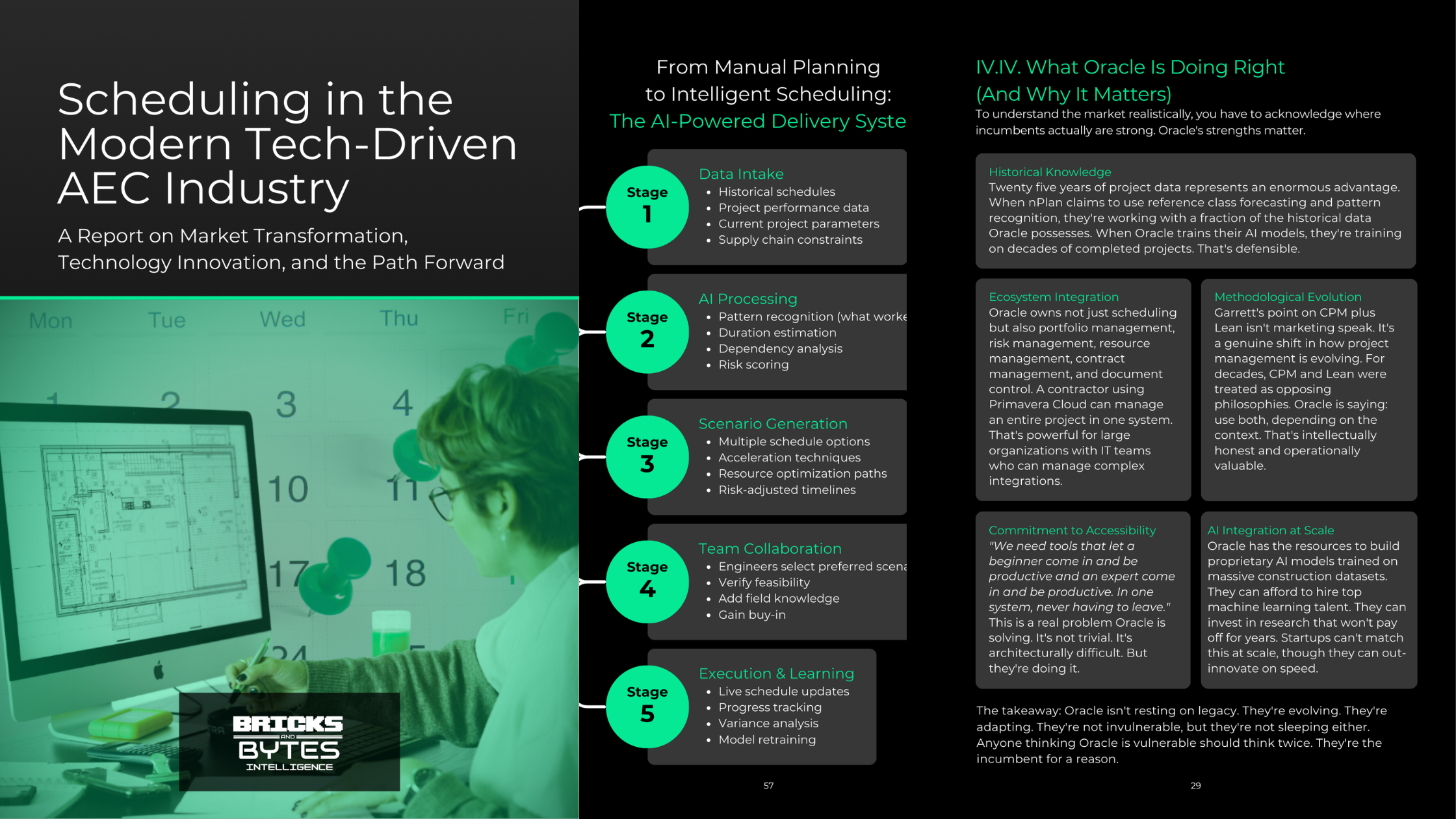
Get a FREE copy of our Scheduling in the Modern Tech-Driven AEC Industry: A Report on Market Transformation, Technology Innovation, and the Path Forward” (worth $150) and a FREE weekly email to stay up to date on construction tech. SIGN UP TODAY!

Scheduling in the Modern Tech-Driven AEC Industry

Sign up to the #1 Newsletter In AEC Tech. Join over 2,100 like-minded Founders, Investors and Techies disrupting the way we build. 

Scheduling in the Modern Tech-Driven AEC Industry