
Imagine trying to renovate a house blindfolded. Sounds impossible, right? Yet, that’s essentially what we’re doing when retrofitting buildings without physical substance data. This crucial information is revolutionising how we approach energy efficiency in our built environment.
What is Physical Substance Data?
Physical substance data is detailed information about a building’s structural and material properties. It includes:
- Wall thickness and composition
- Insulation type and quality
- Window specifications
- Roofing materials
- Foundation details
This data provides a complete picture of a building’s physical makeup.
Why is it Different?
Unlike simple energy consumption data, physical substance data tells us why a building performs the way it does. It’s the difference between knowing a car uses too much fuel and understanding exactly why it’s inefficient.
How is it Collected?
Building inspections have come a long way. While physical checkups remain crucial, high-tech tools like thermal imaging for hidden issues and 3D scanning for precise assessments are gaining ground. Even AI is analyzing building plans to pinpoint potential problems. Companies like Enter lead the charge, developing innovative methods for efficient, accurate data collection. This blend of tradition and tech ensures a thorough inspection, promoting building safety.
Real-World Impact: Enter’s Data-Driven Approach
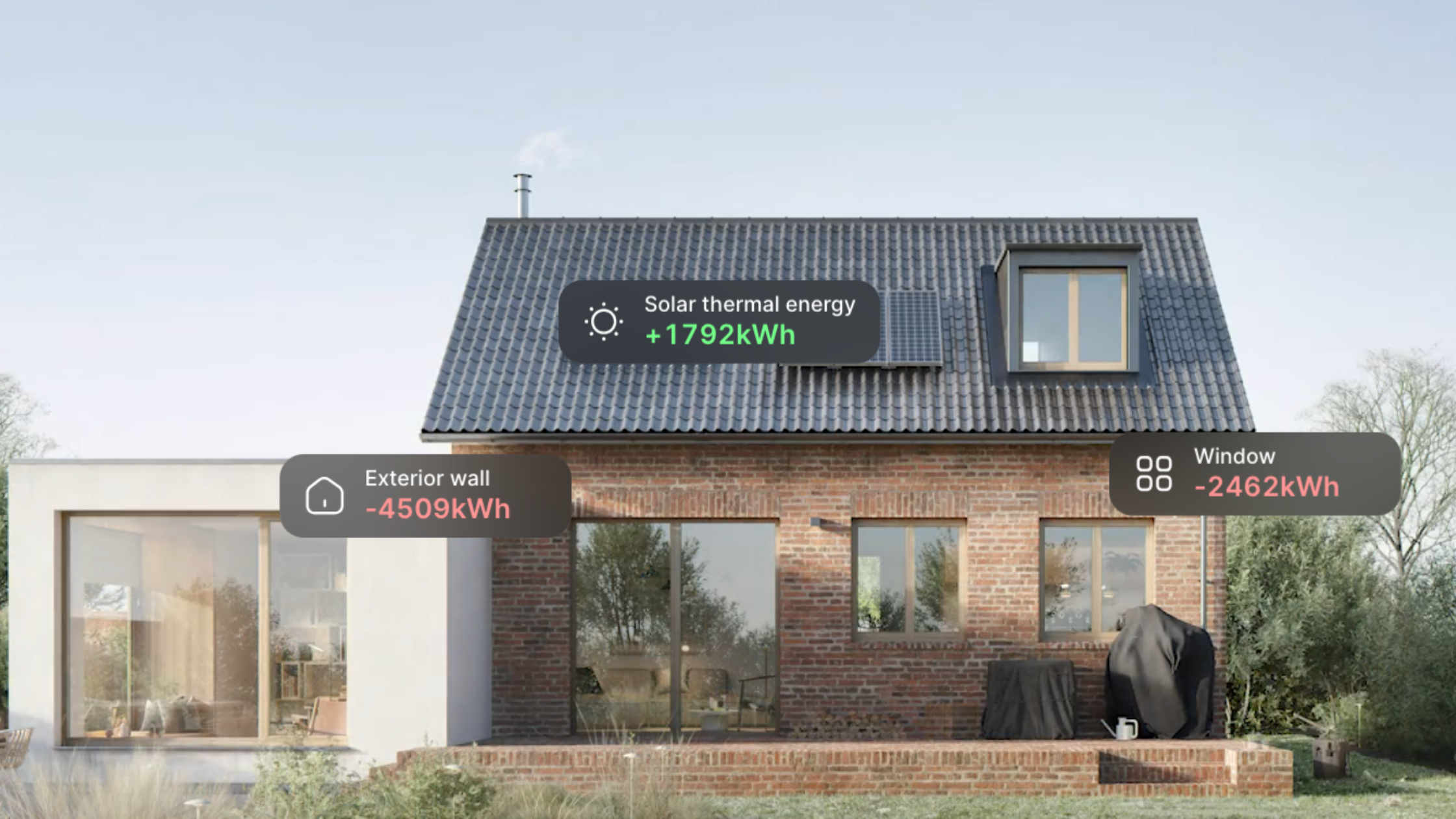
Enter, a German retrofitting platform, showcases the power of physical substance data in action. Their approach includes:
- Creating Digital Twins: Detailed virtual replicas of buildings based on physical substance data
- Energy Modeling: Using this data to simulate how buildings will perform under different conditions
- Targeted Recommendations: Identifying the most effective upgrades based on a building’s unique characteristics
- Precise Estimations: Providing accurate cost and savings projections, crucial for decision-making
Enter’s success underscores how physical substance data is not just theoretical – it’s a practical tool driving real-world results in the retrofitting industry.
Benefits of Physical Substance Data
- Tailored solutions: Physical data allows engineers and building managers to move beyond generic solutions. By understanding a building’s specific materials, construction methods, and current performance, they can create customised plans for improvement. This ensures interventions address the building’s unique needs and are more likely to be successful.
- Improved accuracy: Physical data like thermal imaging and 3D scans provide a highly detailed picture of a building’s physical state. This eliminates guesswork and allows for more precise calculations of potential energy savings. For example, knowing the exact location and size of thermal bridges (areas where heat escapes) helps predict energy loss with far greater accuracy than relying on estimates.
- Cost-effectiveness: By pinpointing the areas with the highest energy loss, physical data guides investments toward the most impactful solutions. This targeted approach avoids unnecessary spending on fixing non-critical issues. Resources can be directed at the areas that will yield the greatest return on investment, maximizing energy savings and cost reduction.
- Long-term planning: Physical data provides valuable insights into how a building performs over time. By tracking changes in a building’s energy consumption and identifying areas of deterioration, managers can proactively plan for future maintenance needs. This proactive approach helps prevent costly surprises down the line and ensures the building continues to function efficiently for years to come.
Overcoming Challenges
While powerful, collecting this data can be challenging:
- Time-consuming inspections
- Privacy concerns
- Cost of advanced technologies
The solution lies in striking a balance: combining thorough data collection with efficient, non-invasive methods, and developing user-friendly tools for data interpretation.
Technology: The Great Enabler
Emerging technologies are making physical substance data more accessible and useful than ever:
- IoT Sensors: Continuous monitoring of building performance, updating the dataset in real-time.
- Artificial Intelligence: Rapid analysis of vast amounts of data, identifying patterns and opportunities humans might miss.
- Augmented Reality: Overlaying physical substance data onto real-world views for intuitive understanding.
- Blockchain: Ensuring the integrity and traceability of building data over time.
These advancements are not just making data collection easier; they’re opening up new possibilities for how we understand and interact with our built environment.
The Economic Advantage: Making the Business Case
The use of physical substance data isn’t just about sustainability – it makes strong economic sense:
- Accurate Project Budgeting: Detailed knowledge of a building’s structure leads to more precise cost estimations.
- Higher ROI on Retrofit Investments: Targeted interventions based on comprehensive data yield better returns.
- Increased Property Values: Well-documented, energy-efficient buildings command higher market prices.
- Reduced Operating Costs: Effective retrofits lead to long-term savings on energy bills.
- Access to Green Financing: Detailed building data can support applications for green loans or energy efficiency grants.
Looking to the Future: What’s Next for Physical Substance Data?
Industry experts predict exciting developments:
- Integration with Smart Building Systems: Physical substance data feeding directly into building management systems for real-time optimization.
- Predictive Modeling: Using historical data to forecast building performance and maintenance needs.
- Urban-scale Analysis: Aggregating data across multiple buildings for city-wide energy efficiency strategies.
- Material Passports: Detailed records of building materials to support circular economy principles in construction.
Getting Started: Practical Steps for Building Owners
If you’re a building owner or manager looking to leverage physical substance data:
- Start with a Professional Energy Audit: This will give you a baseline understanding of your building’s performance.
- Invest in Detailed Building Surveys: Consider 3D scanning or other advanced assessment techniques.
- Keep Meticulous Records: Document any renovations, changes, or upgrades to your building.
- Consider Ongoing Monitoring Solutions: IoT sensors can provide continuous data on building performance.
- Engage with Retrofitting Platforms: Companies like Enter can help you make sense of your building’s data.
The Future is Data-Driven: Embracing the Physical Substance Revolution
Physical substance data is more than just numbers and measurements – it’s the key to unlocking truly effective energy retrofits. By understanding our buildings at this fundamental level, we’re not just saving energy; we’re creating smarter, more sustainable, and more valuable spaces for the future.
As we move forward, the question for building owners, managers, and industry professionals is no longer whether to engage with physical substance data, but how quickly and comprehensively they can adopt this approach. Those who embrace this data-driven future will find themselves at the forefront of the sustainable building revolution.
Are you ready to uncover the hidden potential in your building’s physical substance? The future of effective, targeted, and transformative energy retrofits awaits – and it all starts with the data beneath the surface.