
In an industry that quite literally builds our world, a crisis is looming. As Gregory Dewerpe puts it bluntly:
“You could drop ship 5 million heat pumps tomorrow in Europe. It wouldn’t change a thing because there’s nobody to install it, or at least there’s not enough people to install it.”
This labour shortage isn’t just a minor inconvenience—it’s a critical challenge threatening to slow down progress in construction and crucial retrofitting projects. But there’s a beacon of hope on the horizon: technology. Innovative solutions are emerging to fill the gap, transforming how we approach building and renovation. Let’s dive into this technological revolution and explore how it’s reshaping the construction landscape.
In this episode, Gregory shares how technology can help with the current labour shortage
Tech to the Rescue: A New Era of Construction
In response to these challenges, the industry is turning to technology. Here’s how innovative solutions are helping to bridge the gap:
- Automation: Taking Over Repetitive Tasks
-
-
- Robotic systems are now capable of performing tasks like bricklaying and tying rebar, freeing up human workers for more complex jobs.
- 3D printing technology is being used to create building components and even entire structures, reducing the need for traditional labour-intensive methods.
-
- AI and Machine Learning: Working Smarter, Not Harder
-
-
- Predictive maintenance systems use AI to anticipate equipment failures before they happen, reducing downtime and the need for emergency repairs.
- Machine learning algorithms optimise project planning, resource allocation, and scheduling, making the most efficient use of available labour.
-
- Digital Platforms: Connecting the Dots
-
- Online marketplaces are emerging to connect skilled workers with projects, making it easier to find and hire talent when and where it’s needed.
- Project management platforms streamline communication and documentation, reducing administrative burdens and allowing workers to focus on their core tasks.
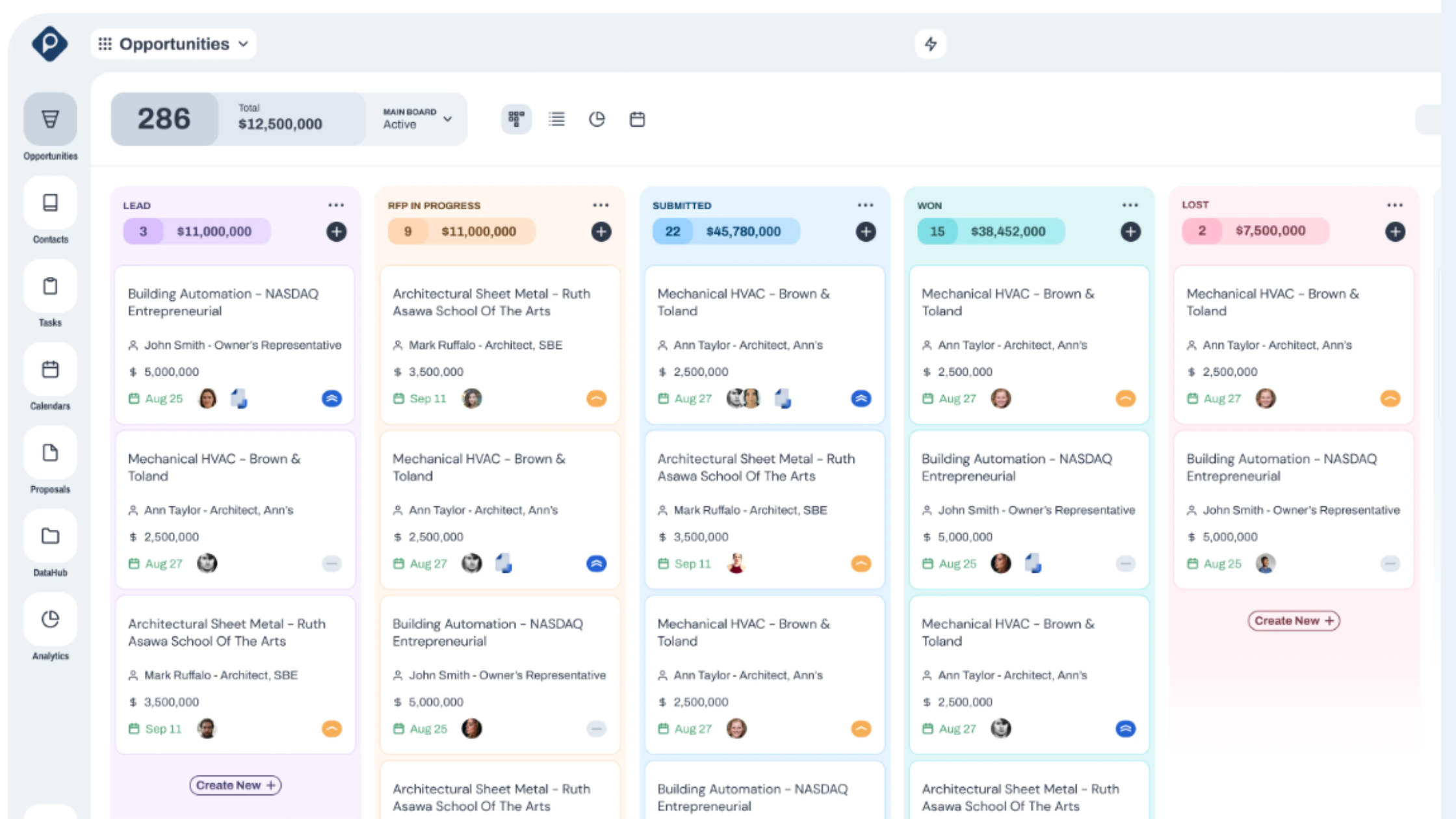
ProjectMark is a CRM built for the construction industry
Case Study: VARM’s Success in Insulation Innovation
VARM, another groundbreaking company, is focusing on a critical aspect of retrofitting: insulation installation. Their approach showcases how technology can transform a specific niche within the industry:
- Rapid Upskilling: VARM’s technology allows workers to quickly learn insulation installation techniques, broadening the pool of available labour.
- Efficiency Boost: Their systems improve installation speed and quality, allowing fewer workers to complete more projects.
Accessibility: By simplifying the installation process, VARM’s technology opens up opportunities for workers who might not have considered a career in construction before.
The Multifaceted Benefits of Tech Solutions
The integration of these technologies brings a host of benefits to the construction and retrofitting sectors:
- Increased Productivity: Automation and AI-driven optimization allow for more work to be done with fewer human hours.
- Improved Safety: Robots can take on dangerous tasks, reducing the risk of injuries on construction sites.
- Attracting New Talent: High-tech solutions make the industry more appealing to younger, tech-savvy workers.
- Scalability: Technology enables companies to take on more projects without proportionally increasing their workforce.
- Quality Improvements: Precision technologies often result in higher quality work with fewer errors.
Challenges on the Horizon
While the potential of these technologies is immense, their adoption isn’t without challenges:
- High Initial Costs: Many firms, especially smaller ones, struggle with the upfront investment required for cutting-edge tech.
- Resistance to Change: The construction industry has traditionally been slow to adopt new technologies, and overcoming this inertia can be difficult.
- Training Needs: Existing workers need to be upskilled to work alongside new technologies, which requires time and resources.
- Integration Issues: New technologies must be seamlessly integrated with existing systems and workflows.
The Evolving Nature of Construction Work

As technology reshapes the industry, the nature of construction jobs is evolving:
- Tech-Savvy Roles: There’s a growing demand for workers who can operate and maintain advanced equipment and software.
- Data Analysis: The ability to interpret and act on data is becoming crucial in optimising construction processes.
- Remote Work: Some tasks, like project planning and monitoring, can now be done off-site, changing traditional work patterns.
- Interdisciplinary Skills: Workers increasingly need a blend of traditional construction knowledge and technological proficiency.
Charting Your Course: Getting Started with Tech Solutions
For construction and retrofitting companies looking to leverage technology to address their labour challenges, here’s a roadmap to get started:
- Assess Your Needs: Identify your most pressing labour-related pain points.
- Research: Explore technologies specifically designed to address those challenges.
- Start Small: Begin with pilot projects to test new technologies without overcommitting resources.
- Invest in Training: Prepare your existing workforce for new technologies through comprehensive training programs.
- Forge Partnerships: Consider collaborating with tech startups or established companies to bring innovative solutions to your projects.
- Stay Informed: Keep abreast of emerging technologies and industry trends to stay ahead of the curve.
The construction and retrofitting industries stand at a crossroads. The labour shortage presents a significant challenge, but it’s also driving innovation at an unprecedented pace. By embracing technological solutions, the industry isn’t just solving a problem—it’s unlocking new potential for efficiency, safety, and sustainability.
As we look to the future, one thing is clear: the construction sites of tomorrow will look very different from those of today. The question isn’t whether technology will transform the industry, but how quickly and comprehensively this change will occur. For companies willing to innovate and adapt, the opportunities are boundless.