
Author name: Owen Drury

gaingels
Venture Capitalists, Venture

Gaingels – Construction Tech Venture Capitalist

Introduction Gaingels is one of the world’s largest and most active LGBTQIA+/Allies venture investment syndicates. Founded in 2014, Gaingels aims to drive social change by supporting and promoting diversity and inclusion within the venture capital ecosystem. The firm focuses on investing in companies that embrace diverse leadership and inclusive practices, working to ensure that underrepresented communities have access to capital and opportunities for growth. With over $850 million deployed into more than 2,000 companies since 2019, Gaingels has established itself as a leader in fostering equitable representation and driving top-tier returns through a diverse portfolio. Key Staff Members – Investors Paul Grossinger – Co-Founder & General Partner David Beatty- Co-Founder & General Partner Lorenzo Thione – General Partner Jake Prigoff, M.D. – General Partner Key (AEC) Tech Investments EquipmentShare EquipmentShare is a technology-driven construction equipment rental company that has built an integrated platform to help contractors rent and track equipment, manage projects, and optimize asset utilization. Gaingels’ investment in EquipmentShare reflects its commitment to supporting companies that leverage technology to solve real-world problems in the construction industry. EquipmentShare’s platform has revolutionized the way contractors manage their equipment, reducing downtime and increasing productivity. The company has experienced rapid growth and is widely recognized for its innovative approach to equipment management and rental services in the AEC sector. Mighty Buildings Mighty Buildings is a construction technology company that uses 3D printing and automation to build sustainable, cost-effective homes. Gaingels’ investment in Mighty Buildings aligns with its mission to support companies that are pioneering new methods in the construction industry. Mighty Buildings has gained attention for its ability to produce homes faster, with less waste, and at a lower cost compared to traditional construction methods. The company’s technology is seen as a game-changer in the push towards more sustainable building practices, and it has attracted significant interest as a leader in the future of housing. ALICE Technologies ALICE Technologies is an AI-powered construction planning platform that helps construction teams optimise project schedules and resources. Gaingels’ investment in ALICE Technologies highlights its focus on companies that use advanced technology to improve efficiency and decision-making in construction projects. ALICE’s platform allows teams to simulate millions of construction sequences and select the most efficient plan, reducing delays and cost overruns. This technology has been instrumental in helping construction firms tackle complex projects with greater precision and confidence, making ALICE Technologies a key player in the digital transformation of the construction industry. Focus Area In Construction Tech Gaingels focuses on investing in companies that prioritize diversity, equity, and inclusion (DEI). The firm seeks out ventures with diverse founding teams and leadership structures, ensuring that these companies not only succeed financially but also contribute to social change. Key areas of interest include technology, healthcare, B2B services, and consumer products. Gaingels is particularly keen on supporting early-stage startups through growth and pre-IPO stages, emphasizing the importance of diverse and inclusive teams at all levels. The firm also runs several initiatives to promote diversity within its portfolio companies. These include the **Gaingels Venture Inclusion Program** (VIP), which provides resources for minority candidates to gain board positions, and the **Gaingels Scholarships**, aimed at supporting underprivileged LGBTQIA+ and minority students. These programs reflect Gaingels’ commitment to creating a pipeline of diverse talent in the venture ecosystem. Investment Strategy Gaingels employs a co-investment strategy, partnering with leading venture capital firms to invest in competitive and oversubscribed rounds. This approach allows Gaingels to leverage the expertise and networks of established VC firms while ensuring that their portfolio companies benefit from diverse and inclusive leadership. The firm is dedicated to not just providing capital, but also actively supporting their portfolio companies in building inclusive teams and cultures. Gaingels emphasizes long-term partnerships, often continuing to invest in subsequent funding rounds to support the growth and success of their portfolio companies. This sustained investment strategy ensures that companies have the resources they need to scale while maintaining their commitment to diversity and inclusion. Through their investments, Gaingels aims to demonstrate that equity of access and representation in venture capital can deliver outstanding financial returns. The firm believes that by fostering an inclusive venture ecosystem, they can drive innovation and create lasting social change. For more detailed information, you can visit Gaingels’ official website. Investment Metrics Correct as of August 2024. AEC-Tech Activity Number of early AEC-Tech Unicorns: 0AEC-Tech Rank: 17 Deal Activity Number of deals in last 12 months (incl. follow-ons): 62Number of deals per year in last 3 years (average, incl. follow-ons): 123 Other Resources
when to accept corporate VC investment
Videos, Venture

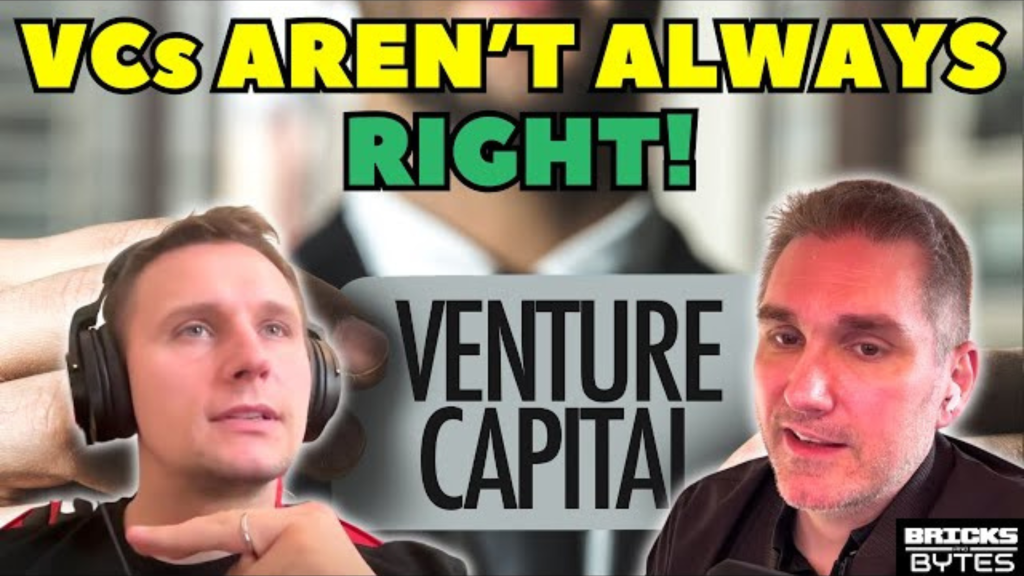
When to Accept Corporate VC Investment: A Contrarian Framework

  Many founders face a common dilemma: should they accept investment from corporate VCs? Traditional venture capitalists often discourage this path, citing poor signaling and unfulfilled promises of value-add. However, this conventional wisdom might be too simplistic. Instead of categorically dismissing corporate investors, founders should evaluate all potential shareholders—whether VCs, corporates, or angels—through the same critical lens. Here’s a proven framework that prioritizes what truly matters: First, assess whether the investor will stand in your way. Will they hinder your decision-making or slow down your execution? This is the fundamental question that trumps all others. Second, evaluate the quality of their input. Some investors, regardless of their pedigree, may provide authoritative-sounding but ultimately detrimental advice. This risk exists across all investor types and can significantly impact your company’s trajectory. Only after clearing these two crucial hurdles should you consider the potential value-add—a factor that’s often overemphassed in fundraising discussions, particularly by angel investors. This sequence is critical. Optimising for value-add before ensuring an investor won’t be an obstacle can lead to problematic partnerships. Every venture portfolio contains examples of detrimental investor relationships, though they’re rarely discussed openly. Remember: a hands-off investor who doesn’t impede your progress is far better than an active one who steers you wrong. Check out the full episode with Patric Hellermann HERE.       

Newsletter

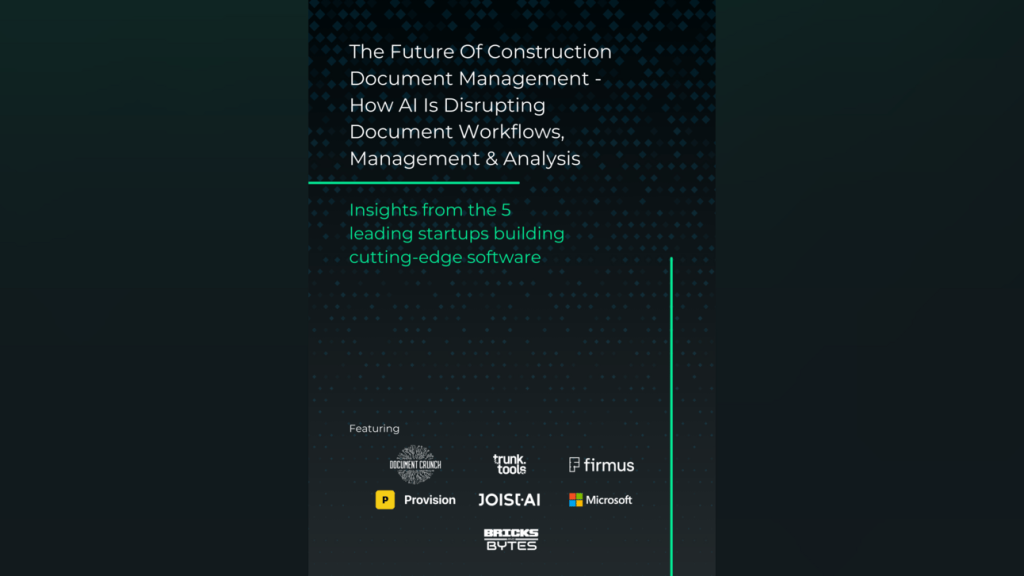
REPORT – The Future Of Construction Document Management – How AI Is Disrupting Document Workflows, Management & Analysis

Want to go deeper? Join our Patreon community for exclusive, not publicly available content and support the future of architecture, engineering, and construction. INDUSTRY INSIGHTSNew Research Reveals What’s Actually Working in Document Management Let’s cut through the AI hype. After an intensive period of exploring AI in construction documentation management, consisting of numerous interviews with founders, investors and incumbents, we’ve just released our comprehensive report on AI in construction document management. What we found might surprise you. The Problem Is Bigger Than We Thought First, let’s talk numbers – and they’re not pretty. We discovered that 6.5% of construction costs worldwide go straight down the drain due to document-related rework. Even worse, half of all projects are running late or over budget because teams struggle with contract compliance. For a typical large project, that’s millions of dollars lost to problems we can actually solve. The good news? AI is starting to make a real difference – but not in the way most people think. Here’s What We Learned About AI Companies One of our biggest revelations was that construction AI companies typically fall into two camps – what we call “true innovators” and “wrappers.”  Think of wrappers like this: they’re taking ChatGPT or similar AI models and putting a construction-friendly interface on top. Sure, it’s useful, but it’s not revolutionary. It’s like putting a new coat of paint on an existing tool. The true innovators? They’re building something special. Take one company we profiled that’s teaching AI to understand construction drawings – not just reading them, but actually understanding how different drawing sets relate to each other and spotting potential clashes. Real Results That Made Us Sit Up We love a good success story, and we found some great ones: One major contractor is saving $100,000+ every month just by catching document issues earl Another cut their contract review time by 80-90% (and they’re catching more issues) We saw one firm boost their contract read rates from a measly 10% to 90% The Future Is Even More Interesting: AI Agents Here’s where things get really interesting. We’re seeing the emergence of what we call “AI agents” – think of them as super-smart digital assistants that can handle complex tasks on their own. Imagine this: an AI that notices bad weather coming, automatically reschedules your concrete pour, updates all your delivery schedules, and notifies your subcontractors – all while making sure you’re staying compliant with your contract. That’s where we’re heading, and it’s pretty exciting. What This Means for Your Company If you’re thinking about implementing AI (and you should be), here’s what we learned about making the right choices: First, the build-vs-buy decision isn’t as simple as it looks. Even if you could build a “wrapper” solution in-house, consider the hidden costs: Who’s going to maintain it? Who’s training your team to use it? Could your developers be working on something more important? Second, when you’re evaluating AI solutions, look beyond the flashy demos. We’ve developed a framework that helps you assess: Whether the technology is actually sophisticated or just well-marketed If the cost makes sense for your business Whether it’ll still be competitive in two years How well it fits with your existing systems Let’s Be Real About the Limitations We wouldn’t be doing our job if we didn’t mention the current limitations. Even the best AI struggles with certain tasks – particularly understanding construction drawings. The top solutions are hitting about 70% accuracy on visual elements. That’s good, but not perfect, and it’s important to know what you’re getting into Where We Think This Is All Going Based on our research, here’s what we’re betting on: AI is going to get much better at understanding drawings Risk management will become more predictive than reactive Different types of documents will talk to each other better AI agents will handle more complex workflows automatically Want the Full Story? This post just scratches the surface of what we found. Our full report dives deep into: Detailed profiles of five leading AI companies Complete implementation case studies Real ROI metrics from actual projects Strategic frameworks for evaluating AI solutions If you’re serious about understanding how AI can transform your document management (and save you serious money), grab the full report HERE. We believe AI is going to change construction document management fundamentally – but only if we’re smart about how we implement it. Our report will help you make those smart choices. WEEKLY MUSINGSGen Z Trend, Funding Report, AEC Tech Jobs A win for construction Last Week in ConTech on LinkedIn: This week in ConTech news: 👇 One of the largest U.S. solar projects has opened in Texas, backed by Google’s biggest solar electricity purchase to date… Construction tech stays strong AECs Tech Funding Analysis Q3 2024: Higher Market Share Despite VC Winter Construction technology remains resilient in a challenging venture capital landscape. How is our sector performing compared to the broader market, and what signals are we seeing from different global regions? The peak quarter hasn’t changed in Q3. Find your next role today AEC Tech Jobs is the only job board dedicated to helping AEC professionals transition into ConTech. We connect top talent with innovative companies at the intersection of AEC and technology. Why AEC Tech Jobs?Searching for curated ConTech roles used to be hard as there was no dedicated space for this. Now AEC Tech Jobs is the place for professionals to leverage their AEC expertise in dynamic roles like Product Management, Software Engineering, and more. For Job Seekers: AEC Tech Jobs bridges the gap between your industry expertise and tech opportunities, giving you access to specialized roles where your skills are in high demand. For Companies: AEC Tech Jobs connects you with top-tier talent, you can attract skilled professionals who already understand your market and can drive innovation in your products. Explore roles, featured companies, and take the next step in your career with AEC Tech Jobs OUR SPONSORS BuildVision — streamlining the construction supply chain with

construction technology adoption
Go To Market

A Strategic Guide to Construction Technology Adoption for Large Enterprises

  In today’s rapidly evolving construction landscape, technology adoption is no longer a luxury—it’s a necessity. But with great potential comes great complexity. How can large construction enterprises navigate this digital frontier effectively? Let’s dive in, with insights from our podcast episode with  David Rockhill, Partner at McKinsey. A Strategic Approach to Technology Adoption Aligning with Business Objectives In the construction world, where decentralisation is the norm, technology adoption must be a top-down initiative. As David emphasises, digital initiatives must be championed at the highest levels, typically by the CEO. This ensures they’re woven into the core business strategy, not isolated within IT or innovation departments. Before even looking at a single piece of software, ask yourself: Where are we creating value? Where are we losing it? Only after establishing these priorities should you evaluate potential technological solutions. Evaluating Technology Solutions With construction firms reportedly facing up to seven new tech propositions daily, choice paralysis is real. Your evaluation process must be rigorous, considering factors such as functionality, scalability, integration capabilities, and total cost of ownership. A key decision: off-the-shelf or custom solutions? While off-the-shelf products offer quicker implementation, they may not fit all your needs. Custom solutions can be tailored but often come with higher costs and longer implementation times. Many enterprises are finding a middle ground with configurable off-the-shelf solutions.   In this episode, David Rockhill shares some eye-opening insights. He explained how the industry has changed in the last 6-7 years, with tech now tackling on-site issues – the biggest value pool in construction. The Role of Pilot Projects Pilot projects are crucial, allowing you to test solutions in controlled environments. However, beware of “pilot purgatory”—where successful pilots fail to translate into broader adoption. Design your pilots with scalability in mind, involving diverse stakeholders and setting clear criteria for moving from pilot to full implementation. Implementation Strategies Implementation goes beyond installing new software. You need a comprehensive plan outlining objectives, timelines, resource allocation, and training plans. Remember, you’re not just changing tools—you’re changing culture. Clear communication about the reasons for change and celebrating early wins are key to building momentum. Data Management and Interoperability Data integration across various systems is a critical challenge. Establish clear data governance frameworks, implement data standards, and consider cloud-based solutions. As David advises, “While striving for perfect data is admirable, it shouldn’t become a barrier to progress. Start with existing data, improve quality incrementally, and focus on high-value data first.” Scaling Across the Organisation Moving from successful pilots to organisation-wide adoption requires careful planning and strong leadership. Document and share lessons from pilots, develop phased rollout plans, and ensure adequate resources for full-scale implementation. To drive widespread adoption, align incentives with the use of new technologies. This could involve incorporating technology usage into performance reviews or tying adoption to career advancement opportunities. Building Internal Capabilities Successful technology adoption isn’t just about acquiring new tools—it’s about developing the skills to leverage them effectively. Upskill existing employees, recruit digital natives, and create clear career paths for technology specialists. Balance internal development with external partnerships to access specialised expertise. Measuring Success and ROI Define clear KPIs aligned with business objectives and implement robust tracking mechanisms. Calculate ROI considering both direct cost savings and indirect benefits. As David notes, “Challenges in measurement, such as project variability and long timelines, can be addressed through consistent practices, advanced analytics, and combining quantitative metrics with qualitative assessments.” The Future of Construction Technology Looking ahead, we can expect increased integration of technologies, greater emphasis on data-driven decision making, and continued innovation in areas like off-site construction and sustainable building technologies. The role of engineers is evolving from designing perfect artefacts to designing efficient, replicable workflows. By taking a strategic, value-driven approach to technology adoption, large construction enterprises can not only improve their operations but position themselves as leaders in an increasingly digital and competitive industry.      

Newsletter

ICYMI: The $12.5M Raise, Canvas, Cutr, Firmus, Raise Robotics & More

Want to go deeper? Join our Patreon community for exclusive, not publicly available content and support the future of architecture, engineering, and construction. This Week’s Quickfire BytesFuel your curiosity with this week’s contentW/C 28th October 2024 NEW EPISODESBalancing Innovation and Reliability in Construction Robotics – Lessons from Canvas CEO In this episode, Kevin Albert, co-founder and CEO of Canvas, shares the challenges of bringing robotics to construction, the importance of focusing on customer pain points, and the journey from government grants to commercial success. Find out why being embarrassed by your first product is a good sign, the importance of reducing lead times in hardware development and how to find and nurture customer champions for your product. open.spotify.com/episode/1o0enZF9tWK7jVXCACcvUQ Battling Rework: How Firmus is Saving Millions in Construction Errors In this episode, Shir Abecasis, Founder and CEO of Firmus, shares how AI is transforming the pre-construction phase, the challenges of training AI to read construction drawings, and the massive impact of design errors on project costs. Find out how Firmus uses AI to detect design issues before construction begins, the staggering cost of rework in construction projects, and why pre-construction is becoming increasingly important in the industry open.spotify.com/episode/2xVYO07vMlcNNkx5jSz1pu Raise Robotics’ Plan To Transform High Rise Construction In this episode, Gary and Conley from Raise Robotics, share their journey from a LinkedIn connection to creating robots for the construction industry. Learn about the challenges of installing building envelopes and how robotics can help, why safety is the number one selling point for construction robotics, and the importance of strategic partnerships in developing construction tech. open.spotify.com/episode/4CDxAhYe0dgKuYyBAKQB1t Speckle’s $12.5M Funding – How Open Source Software Is Changing Construction Design In this episode, we learnt about Speckle’s impressive $12.5 million Series A funding round, led by Addition, to build the first data hub for the AEC industry. We also talked about Rexel’s rejection of an unsolicited $8.5 billion takeover bid from QXO, signaling potential shifts in the building materials distribution landscape. open.spotify.com/episode/5aJUvYTzLisd3l4Nw4maY2 From Uber to Construction With Wood: Oscar Peppitt’s Journey in Construction Tech In this episode, Oscar Peppitt, co-founder of Cutr, talks about building B2B marketplaces in construction, the challenges of growing too fast, and the importance of partnerships in the industry. Find out why there aren’t many successful marketplaces in construction, how to approach fundraising for a construction tech company and the balance between growth and profitability in a VC-backed startup, open.spotify.com/episode/5BKVipCUpzivsGwXFmsQnz View All Podcasts BRICKS & BYTES BULLETINEx AutoDesk CEO’s 12 Lessons For Developing Products After 27 years at Autodesk and multiple ventures afterward, Amar Hanspal shares his hard-earned wisdom about building successful products. Drawing from both successes and failures, here are twelve crucial lessons every product builder should know. Read Full Article 2 FAVORITE QUOTES: “Potential times validation times forced decision. That’s a successful fundraise.” – Patric’s formula for successful fundraising, combining market potential, external validation, and creating urgency in decision-making. “Success, criteria, and pain. What’s your customer’s biggest pain and what’s the spec that will meet it and be really just 100% focused on that and early.” – Kevin’s condensed advice for founders building technology for traditional industries LATEST STORIES AI-Powered Transformation: The New Era of Tech-Enabled Operators in Construction Discover how AI is revolutionising tech-enabled operators in construction, reshaping business models and driving innovation in the built environment. From Zero to 100 – The Art of Rocket Launch Scaling Explore SpaceX’s revolutionary journey in rocket launch scaling, from zero launches to achieving 100 launches per year. Discover how they transformed space exploration forever. View All Articles BONUS CONTENTWhat Are Investors Betting On? OUR SPONSORS BuildVision — streamlining the construction supply chain with a unified platform for contractors, manufacturers, and stakeholders. Powered by beehiiv

rocket launch scaling
Videos, Robotics

From Zero to 100 – The Art of Rocket Launch Scaling

  The evolution of SpaceX’s rocket launch scaling represents one of the most dramatic transformations in aerospace history. What began as a company with zero launches in its first year has now achieved the remarkable milestone of 100 launches in a single year, demonstrating the power of persistence and strategic scaling in the space industry. As industry veterans often note, launching rockets is an endeavor requiring “a million consecutive miracles.” Unlike conventional vehicles where roadside repairs are possible, rocket launches demand perfection from the start. There’s no pulling over to change a spark plug – every component must function flawlessly the first time. The key to SpaceX’s success lies in their methodical approach to scaling operations. Starting from zero launches, they progressed to two launches in their second year, then ten, eventually reaching thirty – a number that once seemed insurmountable. This gradual progression allowed them to refine their processes and build confidence in routine space operations. Today, SpaceX’s achievement of 100 launches stands as a testament to exceptional leadership, particularly from Elon Musk, and demonstrates how consistent iteration and scaling can transform even the most complex technological challenges into manageable, routine operations. Check out the full episode with Lee Rosen HERE.       

tech enabled operators
Technology

AI-Powered Transformation: The New Era of Tech-Enabled Operators in Construction

  The construction industry is experiencing a seismic shift. Tech-enabled operators, once seen as disruptors, are now themselves being disrupted by the rapid advancement of artificial intelligence (AI). This evolution is reshaping business models and redefining what it means to be a tech-enabled operator in the construction sector. Traditionally, tech-enabled operators in construction, such as Katerra, Curbio, and X3 Builders, focused on leveraging technology to improve efficiency and reduce costs. These companies developed proprietary software platforms to optimise workflows, enhance project transparency, and ultimately deliver a better customer experience.  However, the impact of these innovations, while significant, often fell short of transforming the industry as a whole. The AI Revolution in Construction The integration of AI into construction operations marks a paradigm shift. Machine learning, computer vision, and natural language processing are not just enhancing existing processes; they’re fundamentally changing how tech-enabled operators function and deliver value. Consider the case of Firmus, an AI-powered construction tech company. As described by Jenny, “They’re a computer vision AI company that is assessing construction drawings and looking for errors, helping GCs understand the buildability basically of those construction drawings.” This application of AI goes beyond mere efficiency gains, offering a level of analysis and insight previously unattainable. The emergence of AI-driven tech-enabled operators is characterised by a shift from service-based to technology-based value propositions. These companies are no longer simply using technology to support their services; their core product is the AI-powered technology itself. Key Advantages of AI-Driven Tech-Enabled Operators Scalability: AI allows companies to grow without a proportional increase in human resources.  Enhanced Decision Making: AI-powered analytics provide deeper insights, enabling more informed and data-driven decision-making across projects. Improved Accuracy: AI systems can process vast amounts of data with a level of consistency and accuracy that surpasses human capabilities. New Revenue Streams: The ability to offer AI-as-a-service opens up new business models and revenue opportunities.   In this episode, we had Jenny Song from Navitas Capital shares unique approach to investing in construction tech, the critical role of AI talent, and how they evaluate startups. Challenges and Considerations Despite these advantages, the transition to AI-driven operations is not without challenges. Companies must navigate significant initial investments in AI development and implementation. Data privacy and security concerns also loom large, especially given the sensitive nature of construction project information. Integration with existing systems and processes presents another hurdle. As Martin Piekarz pointed out, “We need to check if what’s designed it’s done correctly and also there is a collaboration piece of it and human error.” This highlights the need for AI systems that can seamlessly interact with human operators and existing workflows. Case Studies: Success and Struggle One success story in this space is Document Crunch, an AI-powered legal and contract risk platform. As described by Jenny Song, “Document Crunch started with construction contracts and then now is moving even further into the field where what they’re doing is trying to show you what the contract risks are as things happen in the field.” This evolution demonstrates how AI can expand the scope and value of tech-enabled operations. On the flip side, companies like Katerra, despite significant funding and ambitious goals, struggled to integrate technology effectively across their vertically integrated model. Their experience serves as a cautionary tale about the challenges of balancing technological innovation with practical execution in the construction industry. The Future Landscape As AI continues to evolve, we can expect to see new business models emerging in the construction sector. Predictive maintenance, AI-driven project management, and automated design optimization are just a few areas ripe for innovation. For investors and entrepreneurs in the construction tech space, this evolution demands a reassessment of how tech-enabled operators are evaluated. Metrics around AI capabilities, data assets, and scalability will become increasingly important. The opportunities for innovation and disruption are vast, but so too are the risks. As Patric cautioned, “Generic VCs struggle with this because it’s not enterprise software and it’s not a clear cut marketplace with a marketplace type of benefits.” This underscores the need for specialised knowledge and careful due diligence when investing in or building AI-driven construction tech companies. Conclusion The AI-powered transformation of tech-enabled operators in construction is not just an incremental improvement; it’s a fundamental reimagining of how technology can drive value in the industry. As AI continues to evolve and integrate more deeply into construction processes, we can expect to see new efficiencies, innovative business models, and potentially, a leap forward in addressing the long-standing productivity challenges in the sector.      

Newsletter

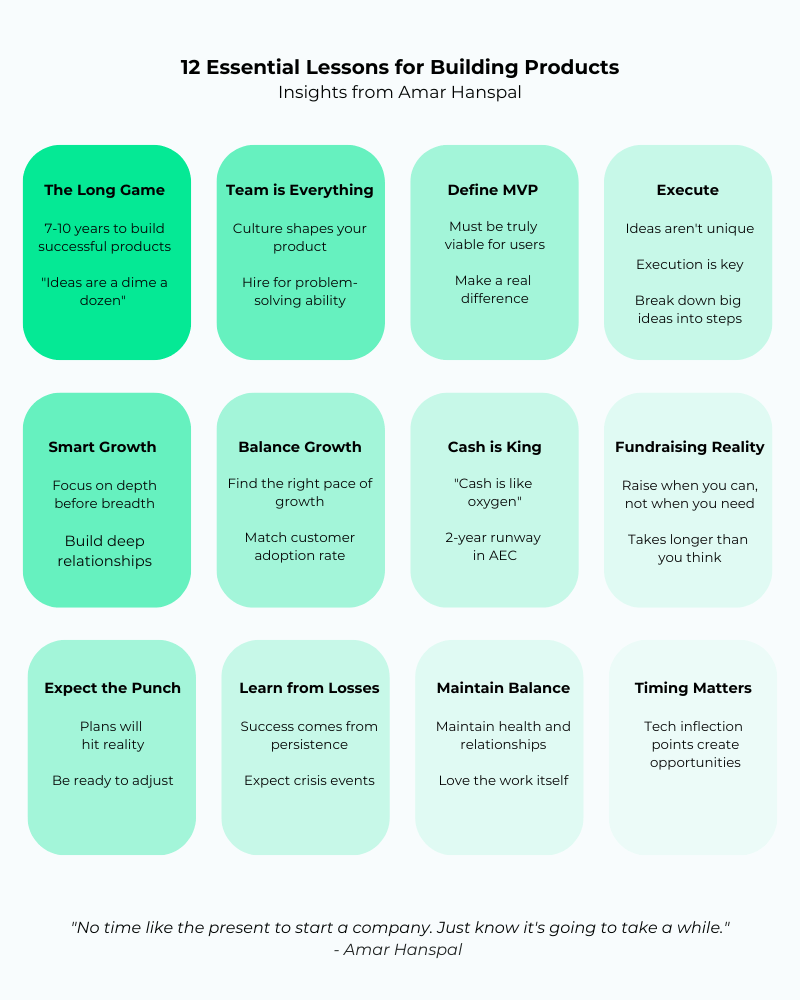
Ex AutoDesk CEO’s 12 Lessons For Developing Products

Want to go deeper? Join our Patreon community for exclusive, not publicly available content and support the future of architecture, engineering, and construction. INDUSTRY INSIGHTSEx AutoDesk CEO’s 12 Lessons For Developing Products After 27 years at Autodesk and multiple ventures afterward, Amar Hanspal shares his hard-earned wisdom about building successful products. Drawing from both successes and failures, here are twelve crucial lessons every product builder should know. 1. The Long Game “Ideas are a dime a dozen,” says Hanspal. While it’s easier than ever to start building products with today’s technology stack, finishing is the real challenge. Building a successful product typically takes 7-10 years, especially in the AEC (Architecture, Engineering, Construction) industry where adoption cycles are slower. Before starting, ask yourself if you’re ready for a decade-long journey. As Hanspal puts it, you need to be like an explorer: “You’re like, I got to find the source of the Nile. I cannot sleep if I don’t find the source of the Nile.” 2. Team is Everything “The team you build is the product you build is the company you build.” Your team’s dynamics will be reflected in your product. Hanspal warns against over-indexing on big company names when hiring. Instead, look for people who have tackled hard problems and handled pressure well. The culture you create comes from the people you bring in, and once set, it’s hard to change. At early Autodesk, ideas mattered more than titles – that culture drove their success. 3. Define MVP Properly “The minimum viable product is the one that customers will buy. It ain’t viable otherwise.” A common mistake is releasing something too small that isn’t actually useful. Your MVP needs to be substantial enough to make a difference in someone’s daily life. The bar is higher when entering an existing category – if you’re building a new CAD system, you need to do more than if you’re creating something entirely new. 4. Execute Relentlessly Ideas aren’t unique – it’s all about execution. “Tesla wasn’t the first company with the idea of an electric car. GM had it in the 1980s, but Tesla was the guys that relentlessly executed that idea.” Success comes from breaking down big ideas into smaller steps and making every step work. The secret sauce is building a team and process that can consistently deliver results. 5. Smart Growth in Sales Think of acquiring users like dating – be seductive but take care of them long-term. In early days, focus on depth rather than breadth: “I would rather have 20 companies using your product across a thousand employees than a thousand companies using your product with 20 employees.” Build deep relationships before going broad.The Legacy of Flux 6. Balance Your Growth Growth isn’t random – it comes from careful balance. “Finding the balance between pressing on the accelerator and pressing on the brake is sort of a little bit of an art.” Don’t hire too many people too soon, but don’t stay too small either. Match your growth with your customers’ ability to adopt your technology. 7. Cash is King “Cash is like oxygen” – you can’t survive without it. For startups, forget about complex financial metrics initially. Focus on having enough cash runway – ideally two years in AEC. Watch your numbers closely; they tell a story about efficiency and scalability. Many young companies fail because they run out of cash before their adoption cycle completes. 8. Fundraising Reality Check Raising capital is “always harder than you thought it would be and it always takes longer.” Hanspal advises raising money when you can, not when you need it. Look at OpenAI’s approach – they raise during moments of momentum, not desperation. About a third of a CEO’s time goes to investor relations, so take it seriously. 9. Expect the Punch Mike Tyson said, “Everyone has a plan until they get punched in the mouth.” Your perfect business plan will hit reality. Whether it’s COVID-19 disrupting everything or customers saying your product isn’t what they want, be ready to adjust. Watch what customers actually do, not just what they say. 10. Learn from Losses Like Roger Federer, “The best in the world are not the best because they win every point. It’s because they lose again and again and have learned how to deal with it.” Expect crisis events – Hanspal mentions facing six in just 18 months with his current venture. Success isn’t about avoiding failures but about persisting through them. 11. Maintain Balance Don’t buy into the myth that you must sacrifice everything for your startup. “If you’re going to take seven to ten years to build a company, you can’t be running at 150% the whole way.” Invest in your mental and physical health, maintain relationships, and keep perspective. Build your company because you love the work, not just for potential rewards. 12. Timing Matters We’re at a technological inflection point with machine learning and other advances. These breakthroughs let entrepreneurs reimagine product experiences and challenge incumbents. As Hanspal notes, “The battle is always the speed between which a startup gets distribution and an incumbent gets innovation.” Usually, incumbents don’t innovate fast enough, creating opportunities for startups. Building products is a marathon, not a sprint. Success comes from balancing multiple factors: a strong team, proper execution, smart growth, and personal sustainability. While the challenges are significant, Hanspal remains optimistic: “No time like the present to start a company. Just know it’s going to take a while.” Check out the full episode with Amar Hanspal 👇👇👇 Watch Episode WEEKLY MUSINGSMarket Map, Hardware Shines, Speckle’s Rise Spot the error(s) Stumbled upon this market map by Tracxn today and can immediately tell that whoever made this has absolutely no experience in construction tech. Who else can spot a few of the massive errors? — AEC Technology Guy (@AEC_Tech_Dash) 9:37 PM • Oct 26, 2024 VC landscape shifts Aleksandr Gampel on LinkedIn: Go hardware. Let’s upgrade the real world! Go hardware. Let’s upgrade the real world! Empowering AEC

Newsletter

ICYMI: SpaceX Lessons, ConTech Funding Hits $35B & EllisDon’s Take

Want to go deeper? Join our Patreon community for exclusive, not publicly available content and support the future of architecture, engineering, and construction. This Week’s Quickfire BytesFuel your curiosity with this week’s contentW/C 21st October 2024 NEW EPISODESHow To Build A Robotics Company – Monumental Super Series Episode 003 Note: This is Episode 3 of the Monumental Super Series we released last week. In this episode, gain invaluable insights into building a cutting-edge robotics company from the ground up, perfect for tech entrepreneurs, construction industry professionals, and innovation enthusiasts. open.spotify.com/episode/1bAI8kbpIEG1apea5NgJPV Construction Tech Funding Hits $35 Billion: What’s Next? In this episode, we discuss Building Radar’s impressive €6.5 million funding round from Socii Capital, powering their AI-driven sales automation software for the construction industry. We also dove into Fundamentals’ Q3 update on AEC Tech funding, revealing that total cumulative VC funding for construction tech has hit a whopping $35 billion – triple the 2019 level. open.spotify.com/episode/0kA6oCLqyVKYwxCMv3Wtc8 How SpaceX Lessons are Shaping the Next Frontier of Space Construction – Lee Rosen “The only laws you cannot break are the laws of physics.” This mindset led SpaceX to successfully land rockets, and now it’s driving innovation in space construction. In this episode, Lee Rosen, former SpaceX executive and current President of Think Orbital, shares insights on the future of space technology and infrastructure. open.spotify.com/episode/1drSklERmTEgMUOt2HoUQy Can AI and Robotics Solve Construction’s Biggest Challenges? – EllisDon’s Take on Innovation, Startups, AI and Robotics In this episode, we talked with Hammad Chaudhry, VP of Innovation and Construction Technology at EllisDon. He shared insights on how they’re bringing cutting-edge startups and emerging tech like AI and robotics into the construction space. open.spotify.com/episode/44U13MZBBMEyuGS94IhTTG View All Podcasts BRICKS & BYTES BULLETINHow Flux Burned Through $29M – Lessons for AEC Innovators Learning from failures is a powerful tool. Building on our “what went wrong” content (check out our previous post covering Modulous who spent £10m in one year), we’ve examined the story of Flux. Despite raising a $29m Series B, Flux struggled to monetise effectively, which led to its eventual downfall.  But why? And what can we learn? Let’s explore. Read Full Article 2 FAVORITE QUOTES: “In this world, you’re capital efficient or you die, right?” – Lee on the critical importance of resourcefulness and capital efficiency in space startups “The key thing is that you are not buying a robot, you’re not leasing a robot, you’re just getting a wall.” – Salar on their business model focus on outcomes rather than technology, making it easier for traditional construction companies to adopt their solution LATEST STORIES Future of Construction Robotics: Balancing Innovation with Industry Realities Explore how construction robotics is evolving to address labor shortages and efficiency demands. Learn why experts predict widespread adoption within 5-10 years. Asset-Light vs. Asset-Heavy: Navigating the Modular Construction Landscape Explore the asset-light vs. asset-heavy debate in modular construction. Learn from recent successes and failures to navigate the evolving landscape of building innovation. Construction Technology Business Models: Why Innovation Needs New Paths to Success Discover why construction technology business models are the key barrier to industry innovation, not the tech itself. Learn from real-world successes and failures. View All Articles BONUS CONTENTWhat Are Investors Betting On? OUR SPONSORS BuildVision — streamlining the construction supply chain with a unified platform for contractors, manufacturers, and stakeholders. Powered by beehiiv

uture of construction robotics
Videos, Robotics

Future of Construction Robotics: Balancing Innovation with Industry Realities

  As the construction industry faces unprecedented demographic shifts and labor challenges, robotics emerges as a compelling yet complex solution. While robots inherently capture our imagination, their practical implementation in construction requires careful consideration of multiple factors shaping the industry’s future. Today’s construction sector grapples with a perfect storm of challenges: fewer young people view construction as a viable career path, experienced workers are retiring faster than they can be replaced, and new hires often lack crucial skills. Simultaneously, growing environmental concerns and ESG requirements demand more efficient construction processes, making automated solutions increasingly attractive. However, the economics of construction robotics present a fascinating paradox. While specialized robots offer precise solutions, they’re still competing with the versatility of human workers who can perform multiple tasks. The debate between specialized versus generalist robots adds another layer of complexity – more versatile robots might seem appealing, but their complexity can compromise effectiveness in specific tasks. Looking ahead, industry experts predict robotics will become a “no-brainer” within the next 5-10 years. Yet successful implementation will likely require market subsidies or assistance to bridge the current cost-benefit gap. The key challenge remains: balancing innovation with practical considerations of schedule, budget, and profitability in an industry where every project carries significant risk. Check out the full episode with Hammad Chaudhry HERE.       

construction technology business models
Videos, Go To Market

Construction Technology Business Models: Why Innovation Needs New Paths to Success

  The challenge with construction technology isn’t a lack of innovation – it’s finding the right business model to bring that innovation to market. With two decades of technological advancements ready to be applied, not to mention emerging AI capabilities, the industry stands at a unique crossroads where potential meets practical implementation. Take the professional services approach, for instance. Companies like Outer Labs have found success by developing tailored software solutions for specific clients. This model offers distinct advantages: direct access to end users, precise problem-solving capabilities, and freedom from broader adoption concerns. However, it comes with a significant trade-off – while individual clients benefit, the industry as a whole doesn’t advance. The complexity of construction’s ecosystem presents unique challenges. With projects spanning up to 20 years and a maze of decision-makers including project teams, companies, and clients, the traditional venture capital-backed approach often struggles to find its footing. Even promising technologies, like those developed at Flux, sometimes need to pivot when return on investment doesn’t align with initial ambitions. Success in construction technology may require multiple angles of attack, from modest, focused solutions to innovative sales approaches that navigate the industry’s complex decision-making landscape. The key lies not in finding a silver bullet, but in persistent experimentation with different business models. Check out the full episode with Anthony Buckley Thorpe HERE.       

modular construction
Go To Market

Asset-Light vs. Asset-Heavy: Navigating the Modular Construction Landscape

In recent years, the construction industry has witnessed a surge of interest in modular construction, with tech startups and investors alike seeing potential for disruption and innovation. However, the path to success in this space is far from straightforward, as evidenced by the contrasting fortunes of various players in the field. At the heart of this discussion lies a crucial decision: should companies adopt an asset-heavy or asset-light approach? Understanding Asset-Heavy Models Asset-heavy models in modular construction typically involve significant investments in manufacturing facilities, equipment, and vertical integration of the construction process. Companies like Katerra and Nexii exemplify this approach, aiming to control every aspect of the building process from design to manufacturing to on-site assembly. Katerra, founded in 2015, raised a staggering $1.6 billion. The company’s ambitious goal was to revolutionise construction through a fully integrated model, combining architecture, engineering, and construction management. Similarly, Nexii, established in 2019, focused on sustainable building practices using its proprietary material, Nexiite, and invested heavily in manufacturing facilities. The potential advantages of this approach include greater control over quality, the ability to standardise processes, and the promise of significant cost savings through economies of scale. However, as we’ll see, these benefits often come with substantial risks. The Rise of Asset-Light Models In contrast, asset-light models focus on leveraging existing supply chains and competencies within the industry. These companies typically emphasise software, project management, and coordination rather than owning physical assets. Patric Hellermann highlighted the appeal of this approach: “I like the category for multiple reasons. So first reason is… it’s a very controllable and standardisable process, including the foundations that you need to put up. And so when you standardise it and when you make it controllable is when you can introduce new pools of labour supply into that specific trade.” In this episode, we discussed Nexii’s attempt to relaunch after going into liquidation, highlighting the challenges in offsite modular construction. Companies like Brick and Bolt in India and O11H in Barcelona are examples of successful asset-light models in the construction space. These firms focus on optimising processes, improving efficiency, and leveraging technology without the burden of massive physical infrastructure. Case Studies: Successes and Failures The contrasting fates of Katerra and Nexii provide valuable insights into the challenges of asset-heavy models. Katerra’s aggressive expansion and attempt to integrate various aspects of construction proved overly complex and financially unsustainable. Despite substantial funding, the company filed for bankruptcy in June 2021, citing financial mismanagement, market challenges, and the impact of COVID-19. Nexii, while still operational, has faced significant financial difficulties. In early 2024, the company filed for creditor protection, citing debts exceeding $109 million. The rapid expansion, including the establishment of a manufacturing facility in Pennsylvania, led to unsustainable financial commitments. On the other hand, asset-light success stories like Brick and Bolt demonstrate the potential of this approach. The company’s focus on labour sourcing and material sourcing, without the burden of heavy assets, has allowed for more flexible and sustainable growth. Key Lessons for the Industry The experiences of these companies offer several crucial lessons: Capital Efficiency: Asset-heavy models require substantial upfront investment and ongoing operational costs, which can strain finances during market fluctuations or project delays. Scalability Challenges: Rapid expansion in asset-heavy models can lead to operational complexities and financial strain, as seen with both Katerra and Nexii. Leveraging Existing Competencies: Asset-light models can benefit from the expertise and infrastructure already present in the industry, reducing risk and allowing for more agile operations. Balancing Innovation and Execution: While innovative technologies are crucial, practical execution and market alignment are equally important for success. The Role of Technology in Asset-Light Models Technology plays a pivotal role in enabling asset-light models to compete effectively. Cloud manufacturing, AI-driven design and project management, and even embodied AI in robotics are transforming the industry. Jenny Song, a venture capitalist specialising in construction tech, emphasised this point: “We have been pretty interested in embodied AI as well. So that’s kind of, you know, the mash of generative AI and other types of AI with robotics and other types of machinery.” Considerations for Startups and Investors For those entering the modular construction space, several factors should be considered: Market Conditions: Understand the current state of the construction industry and how your approach aligns with market needs. Control vs. Flexibility: Weigh the benefits of controlling the entire process against the flexibility and reduced risk of an asset-light model. Path to Profitability: Ensure a clear strategy for achieving profitability, particularly in asset-heavy models where costs can quickly escalate. The Future of Modular Construction The industry continues to evolve, with potential for hybrid models that combine elements of both asset-heavy and asset-light approaches. Changing investor sentiment, particularly following high-profile failures, may also shape the future landscape. The choice between asset-heavy and asset-light models in modular construction is not merely a business decision but a strategic one that can determine a company’s long-term viability. While asset-heavy models offer the allure of full control and potential for significant disruption, the risks and capital requirements are substantial. Asset-light models, leveraging technology and existing industry competencies, may offer a more sustainable path forward for many startups in this space. As the industry continues to grapple with these challenges and opportunities, one thing is clear: the future of modular construction will be shaped by those who can effectively balance innovation, financial sustainability, and market needs.      

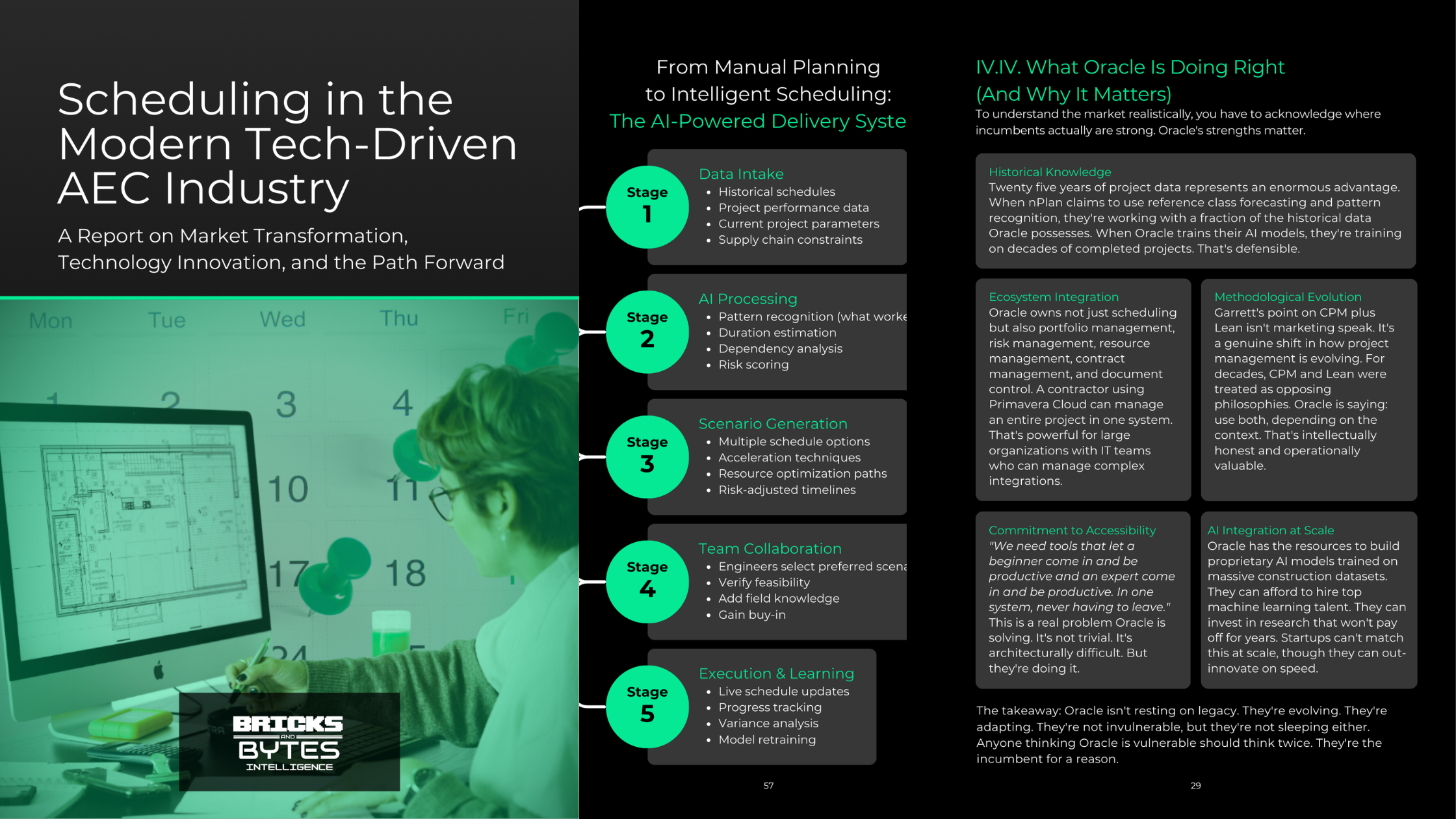
Get a FREE copy of our Scheduling in the Modern Tech-Driven AEC Industry: A Report on Market Transformation, Technology Innovation, and the Path Forward” (worth $150) and a FREE weekly email to stay up to date on construction tech. SIGN UP TODAY!

Scheduling in the Modern Tech-Driven AEC Industry

Sign up to the #1 Newsletter In AEC Tech. Join over 2,100 like-minded Founders, Investors and Techies disrupting the way we build. 

Scheduling in the Modern Tech-Driven AEC Industry