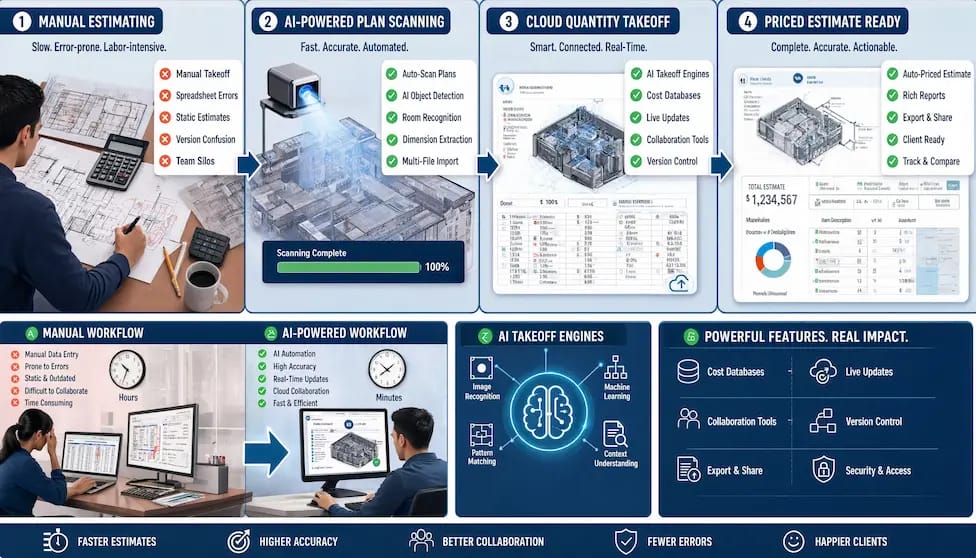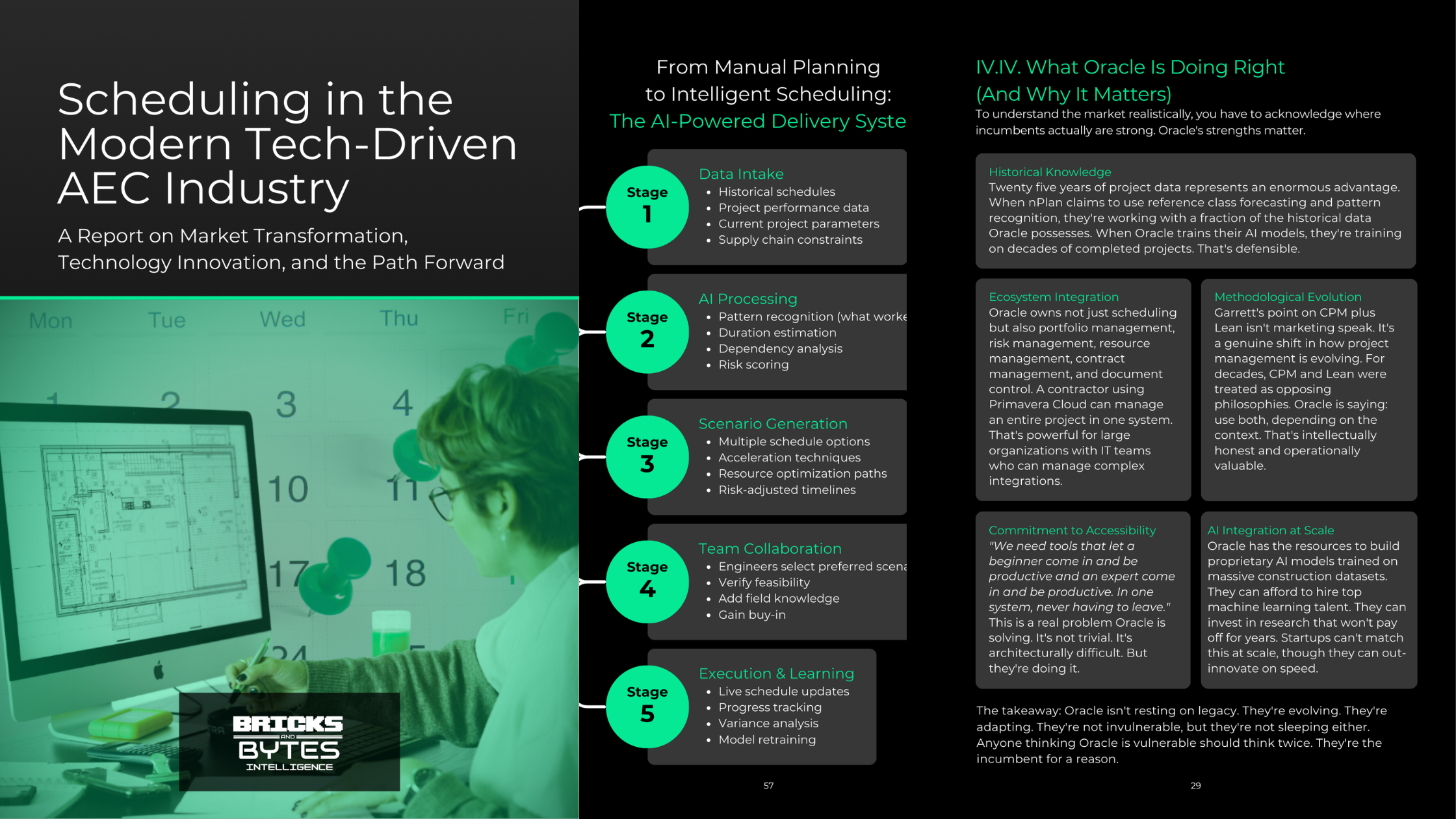

The construction industry is experiencing a seismic shift. Tech-enabled operators, once seen as disruptors, are now themselves being disrupted by the rapid advancement of artificial intelligence (AI). This evolution is reshaping business models and redefining what it means to be a tech-enabled operator in the construction sector.
Traditionally, tech-enabled operators in construction, such as Katerra, Curbio, and X3 Builders, focused on leveraging technology to improve efficiency and reduce costs. These companies developed proprietary software platforms to optimise workflows, enhance project transparency, and ultimately deliver a better customer experience.
However, the impact of these innovations, while significant, often fell short of transforming the industry as a whole.
The AI Revolution in Construction
The integration of AI into construction operations marks a paradigm shift. Machine learning, computer vision, and natural language processing are not just enhancing existing processes; they’re fundamentally changing how tech-enabled operators function and deliver value.
Consider the case of Firmus, an AI-powered construction tech company. As described by Jenny, “They’re a computer vision AI company that is assessing construction drawings and looking for errors, helping GCs understand the buildability basically of those construction drawings.” This application of AI goes beyond mere efficiency gains, offering a level of analysis and insight previously unattainable.
The emergence of AI-driven tech-enabled operators is characterised by a shift from service-based to technology-based value propositions. These companies are no longer simply using technology to support their services; their core product is the AI-powered technology itself.
Key Advantages of AI-Driven Tech-Enabled Operators
Scalability: AI allows companies to grow without a proportional increase in human resources.
Enhanced Decision Making: AI-powered analytics provide deeper insights, enabling more informed and data-driven decision-making across projects.
Improved Accuracy: AI systems can process vast amounts of data with a level of consistency and accuracy that surpasses human capabilities.
New Revenue Streams: The ability to offer AI-as-a-service opens up new business models and revenue opportunities.
In this episode, we had Jenny Song from Navitas Capital shares unique approach to investing in construction tech, the critical role of AI talent, and how they evaluate startups.
Challenges and Considerations
Despite these advantages, the transition to AI-driven operations is not without challenges. Companies must navigate significant initial investments in AI development and implementation. Data privacy and security concerns also loom large, especially given the sensitive nature of construction project information.
Integration with existing systems and processes presents another hurdle. As Martin Piekarz pointed out, “We need to check if what’s designed it’s done correctly and also there is a collaboration piece of it and human error.” This highlights the need for AI systems that can seamlessly interact with human operators and existing workflows.
Case Studies: Success and Struggle
One success story in this space is Document Crunch, an AI-powered legal and contract risk platform. As described by Jenny Song, “Document Crunch started with construction contracts and then now is moving even further into the field where what they’re doing is trying to show you what the contract risks are as things happen in the field.” This evolution demonstrates how AI can expand the scope and value of tech-enabled operations.
On the flip side, companies like Katerra, despite significant funding and ambitious goals, struggled to integrate technology effectively across their vertically integrated model. Their experience serves as a cautionary tale about the challenges of balancing technological innovation with practical execution in the construction industry.
The Future Landscape
As AI continues to evolve, we can expect to see new business models emerging in the construction sector. Predictive maintenance, AI-driven project management, and automated design optimization are just a few areas ripe for innovation.
For investors and entrepreneurs in the construction tech space, this evolution demands a reassessment of how tech-enabled operators are evaluated. Metrics around AI capabilities, data assets, and scalability will become increasingly important.
The opportunities for innovation and disruption are vast, but so too are the risks. As Patric cautioned, “Generic VCs struggle with this because it’s not enterprise software and it’s not a clear cut marketplace with a marketplace type of benefits.” This underscores the need for specialised knowledge and careful due diligence when investing in or building AI-driven construction tech companies.
Conclusion
The AI-powered transformation of tech-enabled operators in construction is not just an incremental improvement; it’s a fundamental reimagining of how technology can drive value in the industry. As AI continues to evolve and integrate more deeply into construction processes, we can expect to see new efficiencies, innovative business models, and potentially, a leap forward in addressing the long-standing productivity challenges in the sector.