Author name: Owen Drury

Newsletter

Inside Ediphi: 10 Game-Changing Lessons for Construction Tech

Want to go deeper? Join our Patreon community for exclusive, not publicly available content and support the future of architecture, engineering, and construction. INDUSTRY INSIGHTSInside Ediphi: 10 Game-Changing Lessons for Construction Tech Today we release our deep dive Super Series with Ediphi. 4 hours of interviews with Ediphi’s founders, Dustin Devan & Mike Navarro, diving into: The Founders Story (incl Dustin’s previous large-scale exit) The Landscape Of Estimating Tools Ediphi’s Product How To Build Great Construction Tech Companies In this newsletter, we share 10 things we learnt about pre-construction & estimating, and building preeminent construction tech companies: 1. Pre-Construction is More Than Just a Phase The traditional view of construction phases (design → pre-construction → construction) is fundamentally flawed. Pre-construction encompasses the entire process from initial concept through design, and it’s arguably more important than construction itself. A project with strong pre-construction is far more likely to succeed than one without, regardless of how well it’s built. 2. The Problem with Current Estimating Tools The four major incumbent estimating solutions (Winest, Sage Timberline/300, CostX, and Beck DESTINI) were all founded before 2010, with most dating to the 1990s. They’re desktop-based applications often running through Citrix, creating significant accessibility and collaboration challenges. This aging technology stack is holding back innovation in pre-construction.  3. The Data Challenge in Construction Tech While AI and machine learning show promise, the construction industry faces a fundamental data quality problem. Most historical project data is trapped in siloed systems, inconsistently formatted, or difficult to access. The focus should be on creating standardized data structures and workflows before attempting to implement AI solutions. Power reliable estimates with historical data – all in one place  4. The Evolution of Construction Tech Adoption The construction technology landscape is maturing, with companies becoming more strategic about their tech investments. Rather than pursuing full-scale implementations immediately, many are starting with focused pilots in specific departments or regions, then expanding based on demonstrated value. 5. The Power of Connected Systems One of the biggest inefficiencies in pre-construction is the disconnect between different processes and tools. A truly effective platform needs to connect conceptual estimating, cost modeling, detailed estimating, and buyout into a single, seamless workflow. This enables better decision-making and reduces the risk of errors or miscommunications.  6. The ROI of Modern Pre-Construction Tools Forward-thinking contractors are seeing significant productivity gains from modern pre-construction tools. Early adopters report up to 25% more revenue per estimator, demonstrating that the right technology investment can drive substantial business value. Lessons in Building Construction Tech Companies: The Ediphi team’s recent Scottsdale offsite 7. Meet the Industry Where It Is Construction tech founders need to balance innovation with practicality. While the end vision might be revolutionary, successful adoption requires meeting users where they are today and gradually introducing more advanced capabilities. You can’t expect users to make dramatic changes to their workflows overnight. 8. Build a Team That Understands the Problem In construction tech, having team members with direct industry experience is crucial. Almost all of Ediphi’s full-time employees come from either construction or construction technology backgrounds. This deep industry knowledge helps ensure the product truly solves real problems and speaks the language of its users. 9. Focus on Customer Success Early During the early stages of a construction tech company, founders should be heavily involved in customer implementation and success. This direct engagement helps build trust, provides invaluable product feedback, and creates reference customers for future sales. As one founder noted, “Now is the best time to engage with us because you can get access to everyone.” 10. The Importance of Strategic Product Development Construction tech founders should have a clear vision of what they need to build next, rather than simply responding to customer requests. While customer feedback is valuable, it needs to be filtered through a strategic lens. As Dustin DeVan notes, “If you’re that early and don’t know what you need to build next, you’re going to build a completely non-strategic roadmap.” It’s nearly impossible to distill the insights into 10 key lessons. So, watch the full series to dive into one of the best-founding teams and products in the industry. Watch the full series here👇👇👇 Super Series with Ediphi WEEKLY MUSINGSShepherd Savings, Fixed Costs, AI Hype Data-driven insurance Bhragan Paramanantham on LinkedIn: 2 years ago, Shepherd Insurance noticed this curious fact about Procore Technologies users. Back in 2022, actuarial firms were being hired by construction… | 13 comments on LinkedIn Unlocking profitability through fixed costs Fixed Costs, Q4 Milestone, And AEC Tech Insights While our industry loves paying for things that scale with revenue, the real magic happens when companies can turn those variable costs into fixed ones. We’ve got some fascinating data about this, plus the latest on Q4 funding and web traffic trends that might surprise you. AI is mainstream. Now what? Connor Johnson on LinkedIn: Time for the talk… Why does he think he needs to schedule it? Some would say AI hype has gone too far. Even your parents are talking about #AI. OUR SPONSORS BuildVision — streamlining the construction supply chain with a unified platform for contractors, manufacturers, and stakeholders. Powered by beehiiv


Newsletter

ICYMI: Why This SpaceX Veteran Left Elon for Autonomous Railways

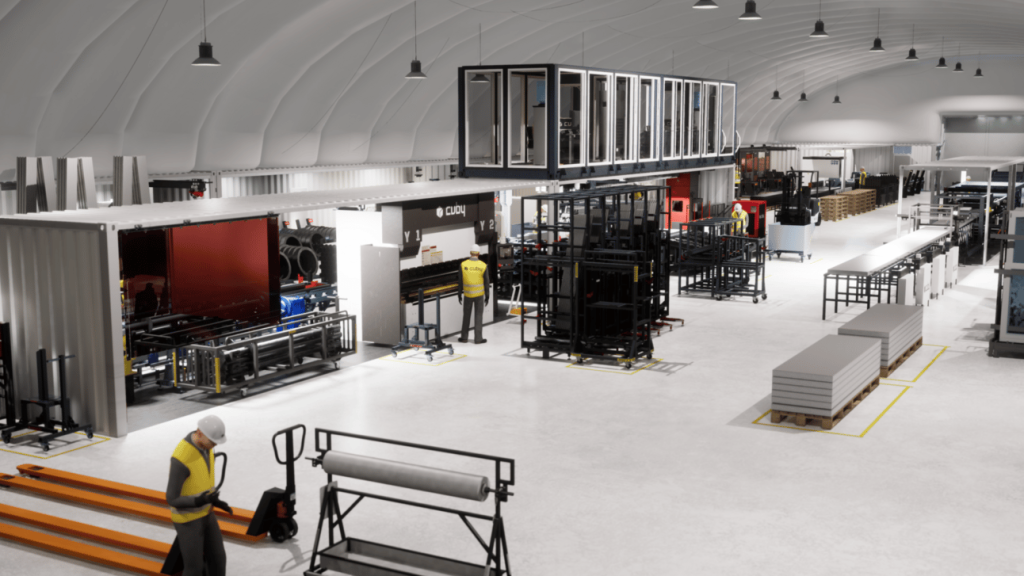
Want to go deeper? Join our Patreon community for exclusive, not publicly available content and support the future of architecture, engineering, and construction. This Week’s Quickfire BytesFuel your curiosity with this week’s contentW/C 20th January 2025 NEW EPISODESFrom SpaceX to Rail: How One Veteran is Fixing America’s Supply Chain Crisis Kevin Damoa, founder of Glid, is revolutionising freight transport by tackling the industry’s biggest pain point: the costly and time-consuming transload process between rail and road. Tune in to learn why transloading a single container can cost up to $2,500 and add weeks to shipping times, how ports like Rotterdam handle 3x the capacity of U.S. ports through automation and why trains won’t move until they’re 2 miles long (and what that means for your shipping costs). open.spotify.com/episode/0Hm9zF6K88YitaRd0BWuuI The £6.5 Million Factory Secret: How Artic Increased Production Without Spending More Recently, we were invited to the BOOST cohort from Suffolk Technologies where we had a chance to interview Tom and Ross, co-founders of Artic. We gained insights into their innovative factory-to-site logistics approach and how they are addressing the challenges of modular construction. Find out how Artic is bridging the gap between manufacturing and construction, creating more efficient workflows, why predictability and control are crucial when more construction happens offsite and how they’re addressing quality control all the way from the factory to the final installation on site. open.spotify.com/episode/6sQaPCGVUUnTzXtnZgoQYa Why Brick & Mortar is Going Global – Construction Tech Investing In India, Europe & Beyond Alice Leung from Brick & Mortar Ventures shares fascinating insights about construction tech investing, global expansion, and what’s happening in different markets. Tune in to find out why construction tech startups are increasingly launching outside Silicon Valley, especially in Europe and India, how construction tech in India feels like the US market did 6 years ago – and why that’s exciting and why mega-funds might not be the best thing for construction tech right now. open.spotify.com/episode/6jjxS3ECVeHP3VfpoJqXdr The Truth About 3D Printed Homes: A Deep Dive Into ICON’s $450M Technology In this episode, we learn that despite being a $2B company, ICON’s 3D-printed homes only show a tiny 0.5% carbon advantage over regular timber construction. We also explored why Q4 2024 was special for construction tech – it grabbed nearly 1% of all VC funding, the second-highest share ever. Even more impressive given that 2024 saw the lowest overall VC funding since 2014. open.spotify.com/episode/0LrJcvaeC1Tx9pD68VPjof The $12M Factory That Could Fix America’s Housing Crisis: How Cuby Plans to Build 55,000 Homes Annually Aleksandr Gampel, co-founder of Cuby, shares how he and his team are transforming new home construction with their Mobile Micro-Factories (MMFs)™ – a plug-and-play $10M solution that can manufacture and assemble 200 homes annually at $100 per square foot. Tune in to find out why decentralized manufacturing is the key to solving housing shortage, how they achieved 400,000 engineering hours at 1/10th the cost by leveraging Eastern European talent and why venture capital might be the wrong funding source for construction tech open.spotify.com/episode/1nJ1hfHqDjKTBPQFwfrq9x View All Podcasts BRICKS & BYTES BULLETINHow Cuby’s Contrarian Approach is Reshaping Construction’s Future Recently, we have been speaking to a number of different companies that are tackling the housing shortage. A lot of technology, time and effort has been invested into new methods of construction from pre-fabrication through to modular construction, robotics, digitsation and everything in between. One thing we have only very briefly come across is the idea of mobile micro factories. In short, these are small factories, setup near where a large homebuilding project is being undertaken. Inside the factory a team of workers fabricate the building components which are then palletized and sent to the construction site. This, in our opinion, is one of the most exciting technologies that enable homebuilding. We’ve seen the continued failure of solutions like modular and we feel the guys at Cuby are truly onto something. In this article, we’ll explore Cuby’s thesis and technology and and why sometimes the most powerful innovations are the ones that work within existing constraints rather than trying to break them entirely. Let’s dive in: Read Full Article 2 FAVORITE QUOTES: “You have to make a lot of mistakes very, very quickly and constantly. And so long as those mistakes are 49% and the things you get right are 51%, that’s how you win.” – Aleksandr Gampelon on startup success “Every company is either adding on some type of AI related thing or now pitching as an AI company… you almost have to discredit AI in some sense.” -Alice Leung expressing skepticism about AI hype LATEST STORIES Unlocking Labour Productivity in Construction: A Case Study of Reframe Systems’ Approach Learn how Reframe Systems is revolutionising construction labour productivity through software-defined manufacturing and intelligent process optimisation. Three Pillars of Effective Startup Leadership: Insights from a Second-Time Founder Discover key insights from a second-time founder on building successful teams: shared vision, laser-sharp focus, and talent acquisition as pillars of effective leadership. The J-Curve and Contech: Managing Expectations for Long Sales Cycles Learn how construction tech startups navigate the J-curve and long sales cycles, with insights from Ediphi co-founder Dustin DeVan. View More Articles BONUS CONTENTWhat Are Investors Betting On? OUR SPONSORS BuildVision — streamlining the construction supply chain with a unified platform for contractors, manufacturers, and stakeholders. Powered by beehiiv

construction labor productivity optimization
Go To Market

Unlocking Labour Productivity in Construction: A Case Study of Reframe Systems’ Approach

  When you look at the cost breakdown of building a home, one number stands out starkly: 50-60% of the total cost is direct labor. For Vikas Enti, former Amazon Robotics veteran and founder of Reframe Systems, this figure represented both a challenge and an opportunity to revolutionise how we build homes. The Labour Productivity Challenge “In any other industrialised environment,” Enti explains, “the moment you’re starting to trend a direct labor cost being over 10%, that’s usually a moment to take a step back and say, ‘hey, do we need to fix the design? Do we need to fix the process?’” This observation became the cornerstone of Reframe’s approach to reimagining construction.   In this episode, Vikas Enti from Reframe Systems, shares insights on bringing speed and scale to low-carbon homebuilding. Rethinking the Problem What makes Reframe’s approach particularly interesting is their fundamental reframing of the productivity challenge. As Enti notes, “When you look at construction from the outside, it’s very easy to think of this as a cycle time problem… But what we learned as we look through this process was it’s actually more of an information interface management problem.” This insight is crucial: skilled workers are actually quite fast at their core tasks. The productivity drain comes from the time spent gathering information, finding the right materials, and managing physical interfaces. It’s not about making people work faster—it’s about making the entire system work smarter. The Digital-Physical Interface Reframe’s solution starts with bridging the gap between digital design and physical construction. “Today, the BIM world has been really useful for the AEC stack… but the actual builders on the field or builders in the factory don’t get to see the full benefit yet,” Enti explains. Their approach transforms traditional construction drawings into what he describes as “more like Ikea assembly instructions.” This transformation has profound implications: Apprentices can perform high-skilled work more quickly Instructions are clearer and more intuitive Error rates decrease significantly Training time is reduced dramatically   Software-Defined Manufacturing Perhaps the most innovative aspect of Reframe’s approach is their concept of software-defined manufacturing. Rather than creating rigid, mechanically-defined processes, they’ve developed a flexible system that can adapt to different requirements through software controls. “We said, okay, can we apply some of those concepts into how do we make our manufacturing a lot more software defined?” Enti explains. This approach allows them to handle the mass customization inherent in construction, where different climate zones, building codes, and zoning jurisdictions create endless variations.   Physical Innovation Reframe’s innovation extends to the physical world as well. They’ve challenged fundamental assumptions about construction processes. For instance, they questioned why walls need to be built horizontally in factories when their final purpose is to stand vertically. This led to the development of a vertical framing system that eliminates the need for complex butterfly tables and reduces factory footprint significantly. The Role of Automation While robotics and automation are part of Reframe’s solution, they’re not the starting point. As Enti emphasises, “We’re not an autonomous factory, we’re a modular micro factory that’s agile. Our whole goal is how do we improve labor productivity so we can deliver low carbon homes in a cost-effective manner.” Their approach to automation is pragmatic and focused: Automating tasks that workers don’t particularly value Focusing on behind-the-wall work first Maintaining flexibility to complete tasks manually when needed Gradually increasing automation as systems prove themselves   The Results The proof is in the numbers. From their first project where only 4% of walls were robotically framed, they’ve progressed to where 80% of walls in their current projects are handled by automation. This step-change improvement demonstrates the power of their systematic approach to productivity enhancement. Key Takeaways for the Industry Rethink fundamentals: Don’t just automate existing processes; question whether they make sense in the first place. Focus on interfaces: The biggest productivity gains often come from improving how different parts of the system work together, not just making individual tasks faster. Start with information: Clear, accessible information can dramatically improve productivity before any physical automation is introduced. Maintain flexibility: Systems should be designed to work both with and without automation, allowing for gradual implementation and fallback options. Reframe’s approach shows that improving construction labor productivity isn’t just about adding robots or demanding faster work. It’s about fundamentally rethinking how we organise and execute construction work, starting with the basic flow of information and materials. As the industry continues to evolve, their lessons offer valuable insights for anyone looking to improve construction productivity.      

startup leadership lessons
Videos, Startups

Three Pillars of Effective Startup Leadership: Insights from a Second-Time Founder

  Building a successful startup isn’t just about having a great product or innovative technology – it’s fundamentally about leadership and team building. Lucas Carné, a seasoned second-time founder shared his crystallized wisdom on the three essential pillars that define effective startup leadership. The first pillar is establishing a shared purpose. As Lucas emphasised, ensuring crystal-clear communication of the company’s vision is paramount. This isn’t just about having a mission statement – it’s about making sure every team member understands and aligns with the company’s direction. The second pillar focuses on prioritisation and focus. Interestingly, Lucas pointed out how a well-communicated vision naturally enables better decision-making throughout the organization. When team members clearly understand the company’s purpose, they can independently evaluate which initiatives will best advance the company’s goals. The third and final pillar is talent acquisition and retention. By securing the best talent, leaders create a foundation for sustainable success. This focus on human capital complements the strategic elements of vision and prioritization. These three elements – shared purpose, focused prioritization, and top talent – form a powerful framework for startup leadership. When executed well, they create a self-reinforcing cycle of clarity, efficiency, and excellence. Check out the full episode with Lucas Carné HERE.       

construction technology sales cycle management
Go To Market

The J-Curve and Contech: Managing Expectations for Long Sales Cycles

  The path to success isn’t a straight line – it’s a J-curve. Just ask Dustin DeVan, founder of BuildingConnected (acquired by Autodesk for $275 million) and now CEO of Ediphi. His experiences offer valuable insights into managing the unique challenges of scaling a construction technology company, particularly when it comes to navigating long sales cycles and the deep trough of the J-curve. Understanding the J-Curve in Construction Tech The J-curve in business represents an initial loss followed by (hopefully) significant gains. For construction technology companies, this curve can be particularly pronounced. As DeVan explains about his current venture, Ediphi, “The J-curve of this business, the trough is going to be big.” Why? Because construction technology companies face a perfect storm of challenges: lengthy sales cycles, high development costs, and the need for significant upfront investment in R&D.   The Reality of Sales Cycles in Construction Unlike consumer apps that can grow virally overnight, construction technology solutions face a more measured adoption curve. “You don’t switch your pre-con solutions quickly because they’re revenue-generating,” DeVan points out. “You’re very sensitive to it.” This sensitivity means that even when you have a superior product, the sales cycle can stretch out as companies carefully evaluate the implications of changing their core operational tools. Venture Capital: A Necessary Evil? This combination of long sales cycles and heavy R&D requirements often makes venture capital funding necessary for construction technology startups. As DeVan notes about Ediphi, “We’re trying to build an entire pre-construction platform from the ground up. It’s going to require a lot of R&D.” While some founders shy away from VC funding after a successful exit, the reality is that the depth of the J-curve often requires significant capital to weather the trough. Strategies for Managing the Trough How do you navigate this challenging period? DeVan’s experiences suggest several key strategies: Build a Trial Process: “We’re spending a shit ton of time on building a trial process,” DeVan says. Unlike some competitors who expect customers to buy before trying, Ediphi is investing heavily in creating a structured trial process that demonstrates value within 30 days. Focus on Clear ROI: Success stories matter. DeVan cites a customer who reported that Ediphi could eliminate almost half of their pre-construction applications, while another saw a 25% increase in estimation capacity with the same team size. Create a Wedge: With BuildingConnected, DeVan’s strategy was to get 1,000 general contractors actively using the platform before monetising. This created a network effect that made monetization much easier later.   In this episode, Dustin DeVan, founder of Building Connected and Ediphi, shares his journey from selling a company for $275 million to starting anew in the construction tech space. The Modern Construction Tech Landscape The construction technology landscape has evolved significantly since DeVan founded BuildingConnected. “Today there’s so much white noise out there. Everyone’s bombarded with, ‘I got this thing, I got this solution,’” he observes. This makes it even more critical to be “laser focused on why, what problem you’re solving.” Despite the challenges, the opportunity in construction technology remains massive. The key is having the patience and capital to weather the initial trough of the J-curve. As DeVan puts it, “There should be another publicly traded company in construction tech. That company is going to be the one that builds a pre-con platform.” Essential Takeaways for Contech Founders Be Realistic About Timing: Understand that sales cycles in construction technology are inherently long and plan accordingly. Invest in Customer Success: Create structured processes that help customers see value quickly, even if the full implementation takes longer. Secure Adequate Capital: Ensure you have enough runway to weather the trough of the J-curve before reaching significant revenue. Focus on Real Problems: In a noisy market, success comes from solving fundamental industry challenges rather than creating point solutions.   The construction technology sector continues to evolve, but one constant remains: success requires managing the delicate balance between investment, patience, and execution. Understanding and preparing for the J-curve isn’t just helpful – it’s essential for survival in the construction technology space. As more companies enter the market, those who can successfully navigate this challenge while maintaining focus on customer value will be the ones who emerge as leaders in the next generation of construction technology.      

Newsletter

How Cuby’s Contrarian Approach is Reshaping Construction’s Future

Want to go deeper? Join our Patreon community for exclusive, not publicly available content and support the future of architecture, engineering, and construction. INDUSTRY INSIGHTSHow Cuby’s Contrarian Approach is Reshaping Construction’s Future Recently, we have been speaking to a number of different companies that are tackling the housing shortage. A lot of technology, time and effort has been invested into new methods of construction from pre-fabrication through to modular construction, robotics, digitsation and everything in between One thing we have only very briefly come across is the idea of mobile micro factories. In short, these are small factories, setup near where a large homebuilding project is being undertaken. Inside the factory a team of workers fabricate the building components which are then palletized and sent to the construction site. This, in our opinion, is one of the most exciting technologies that enable homebuilding. We’ve seen the continued failure of solutions like modular and we feel the guys at Cuby are truly onto something. In this article, we’ll explore Cuby’s thesis and technology and and why sometimes the most powerful innovations are the ones that work within existing constraints rather than trying to break them entirely. Let’s dive in: The construction industry has a serious problem. There aren’t enough workers who want to swing hammers, and costs keep rising.  The typical solution? Build massive factories to automate everything. But Cuby, an innovative construction technology company, sees things differently.  They’re pioneering a radical new approach with mobile micro-factories that bring manufacturing directly to where homes are being built. The Problem with Traditional Solutions Most construction tech companies follow a familiar playbook.  They raise hundreds of millions in venture capital, build enormous factories, and try to reinvent construction from the ground up. These gigafactories, often costing $50-100 million each, produce modular homes or building components that get shipped thousands of miles to construction sites. This approach has consistently failed.  The feedback loop is too slow, transportation costs are high, and when something goes wrong, it’s incredibly expensive to fix. More importantly, the construction industry is notoriously conservative. Radical changes to building methods face enormous resistance from regulators, contractors, and developers. A Different Way of Thinking Cuby’s approach starts with three contrarian principles that challenge conventional wisdom.  First, they believe in decentralized manufacturing. Instead of one massive factory, they deploy smaller $12 million mobile micro-factories that service a 150-mile radius. This keeps manufacturing close to construction sites and allows for rapid feedback and adjustments. Second, they don’t try to reinvent construction itself. The end product looks exactly like a traditionally built home. This matters because it works within existing regulatory frameworks and doesn’t require contractors or developers to change their fundamental approach. The innovation happens behind the scenes, in the manufacturing and assembly process. Third, and perhaps most importantly, they focus on being cheaper than traditional construction from day one. While many startups follow the Tesla model – start expensive and work down – Cuby believes construction technology must be cost-competitive immediately. They’ve achieved costs around $100 per square foot, making their approach viable for mainstream adoption. Inside the Mobile Micro Factory Cuby’s Mobile Micro-Factories (MMF)™ are transforming new home construction, mirroring the impact of Henry Ford’s assembly line in the automotive industry.   Each Cuby factory employs about 265 people across two shifts. This includes both factory workers and field assembly teams. The key innovation isn’t just the factory itself – it’s how they’ve redesigned the entire construction process to work with primarily unskilled labor. The system uses software to break down complex construction tasks into simple, repeatable steps. Workers rotate between different stations, guided by detailed digital instructions. This flexibility means the factory can adjust its workforce based on demand, something traditional construction struggles with. A single factory can produce about 200 homes annually. The operation combines off-site component manufacturing with on-site assembly, all orchestrated through sophisticated software systems. They’ve essentially extended lean manufacturing principles from the factory floor to the construction site. What This Means for the Industry The implications of Cuby’s approach extend far beyond just building homes more efficiently. Their model suggests a new way forward for construction innovation – one that works within existing industry constraints rather than trying to demolish them. For developers and builders, particularly smaller operations that build 20-50 homes annually, this could level the playing field with large national builders. The economics of a mobile micro factory make sense at a much smaller scale than traditional prefab approaches. For construction workers, this model creates new opportunities that don’t require years of specialized training. It’s a potential solution to the skilled labor shortage that doesn’t rely on full automation. The most exciting aspect might be the scalability.  Cuby plans to deploy 275 factories over the next decade, each serving a local market. If successful, this could fundamentally change how we think about construction manufacturing. The key lesson here isn’t just about mobile factories or construction technology. It’s about the power of questioning industry assumptions. Sometimes the best innovations don’t come from revolutionary new technologies, but from rethinking how we deploy existing ones. By keeping manufacturing local, preserving traditional construction methods, and focusing relentlessly on costs, Cuby has created a model that could actually work in an industry notorious for rejecting change. That might be the most revolutionary thing about their approach. For industry professionals watching this space, the takeaway is clear: sometimes the most effective innovations are the ones that work within existing constraints rather than trying to break them.  Check out the full episode with Aleksandr Gampel👇👇👇 Watch Episode   WEEKLY MUSINGSHard Lessons, Finnish Innovation, India’s Industrial City   The realities of construction tech investing What Construction Tech Investors Regret Most About Their Deals Ever wondered what keeps construction tech investors up at night? We’ve all heard about the flashy success stories, but today we’re diving into something different – the regrets and hard lessons learned in the trenches of construction tech investing. With over $34.   Finnish innovation in action Tomi Pitkäranta

Newsletter

ICYMI: 90 Pitches in 21 Days: Finding Tomorrow’s Construction Projects

Want to go deeper? Join our Patreon community for exclusive, not publicly available content and support the future of architecture, engineering, and construction. This Week’s Quickfire BytesFuel your curiosity with this week’s contentW/C 13th January 2025 NEW EPISODESBuilding Mercator: From 90 Investor Pitches in 3 Weeks to Changing How Contractors Find Projects Chloe Smith shares her journey of building Mercator, a construction tech startup that’s changing how contractors find early-stage project opportunities. Discover their unique approach to product development through an intensive beta program with general contractors, how they built their own “accelerator” by carefully selecting operator-investors and why Mercator focuses only on Texas (for now) and how they plan to expand. open.spotify.com/episode/35vG1bgd7ABPsWZJIcg4Cj Building a €450M Construction Tech Giant: How Philip Schröder’s Marketing Built Germany’s Latest Energy Tech Giant We explored 1KOMMA5°’s impressive €150M pre-IPO round and their unique approach of acquiring 30+ companies since 2021 to scale their energy tech business. We also learned about an intriguing debate around whether companies can call themselves “market leaders” in Germany, sparked by a court case between 1KOMMA5° and their competitor. open.spotify.com/episode/3k6tOyZlamT7EjZ1JVXYNa From $500M E-commerce Exit to Transforming Construction: How 011H is Building High-Rise Residential Buildings 30% Faster Lucas Carné, co-founder of 011H and former founder of Privalia (sold for $500M), shares insights on revolutionizing construction through digital innovation and sustainability. Discover why 011H chose to be asset-light when most construction tech companies fail by investing heavily in manufacturing facilities, how they’re achieving 30% faster project delivery while maintaining quality through their design-build approach and the strategy behind tackling high-rise buildings first, contrary to conventional wisdom. open.spotify.com/episode/4txdfnGDovQ0yl4BHIvk60 View All Podcasts BRICKS & BYTES BULLETIN How a €500 million exit led to the birth of a “Neo Builder” 011H a Spanish “Neo builder” is taking an unconventional approach to revolutionizing high-rise residential construction. Founded by Lucas Carné following his €500 million exit from e-commerce company Privalia, 011H isn’t your typical construction company.  They don’t own manufacturing facilities. They don’t participate in traditional bidding processes. Instead, they’re building a digital platform that connects and coordinates the entire construction ecosystem. Read Full Article 2 FAVORITE QUOTES: “It’s all theory unless you get results.” – Lucas Carné quoting one of 011H’s core values “It’s almost like using a marriage registry as a dating app.” – Chloe Smith comparing traditional bid management tools to their early-stage approach LATEST STORIES Nuclear Power: A New Frontier for Contech? Explore how modular nuclear power plants are reshaping construction technology, with insights into Last Energy’s innovative approach to power generation. The Hidden Cost of Venture Capital: Understanding Liquidity Preference Explore how venture capital’s liquidity preference impacts founder exits and why taking more VC funding isn’t always the path to higher founder returns. Learning from Space: Applying Lean Startup Principles to Contech Discover how lean startup principles for construction tech can drive success. Learn capital efficiency strategies from space industry veterans building hardware startups. View More Articles BONUS CONTENTWhat Are Investors Betting On? OUR SPONSORS BuildVision — streamlining the construction supply chain with a unified platform for contractors, manufacturers, and stakeholders. Powered by beehiiv

modular nuclear power plant construction
Go To Market

Nuclear Power: A New Frontier for Contech?

  We’re  witnessing an intriguing development: the emergence of modular nuclear power plants. With Last Energy’s recent $40 million Series B funding announcement, it’s clear that investors are betting big on innovations in nuclear power plant construction. But what makes this intersection of construction technology and nuclear power so compelling? The Challenge of Traditional Nuclear Construction Lengthy timelines and ballooning costs have plagued traditional nuclear power plant construction in the West. Consider this striking contrast: while it takes China approximately five years to construct a nuclear reactor, France’s most recent reactor has been under construction for 17 years. This stark difference isn’t about technological capabilities – it’s about approach. The Modular Revolution Last Energy’s solution? A 20-megawatt electric (MWe) micro modular nuclear power plant. While this might sound small compared to traditional 1,000-megawatt nuclear facilities, the innovation lies in standardisation and modularisation – two principles that have transformed other sectors of the construction industry. “This is not about inventing new nuclear technology,” explains Patric Hellermann. “The nuclear reactor concept is well-understood. The innovation is in standardisation and modularisation of the construction and deployment process.”   In this episode, Jim Cantrell, we discuss Last Energy’s $40 million Series B funding for developing 20 MWe micro modular nuclear power plants. Why Now? The Perfect Storm Several factors make this the right time for modular nuclear construction: Energy Independence: Countries, particularly in Eastern Europe like Poland and Romania, are seeking energy independence from traditional gas suppliers. Data Center Boom: The rise of data centers creates perfect customers for nuclear power plants. These facilities need constant, reliable baseload power – exactly what nuclear provides. Climate Goals: As countries push for cleaner energy sources, nuclear power’s minimal emissions make it an attractive option. The Construction Technology Angle What makes this a construction technology story rather than just an energy story? It’s all about the innovation in delivery methods: Standardised Design: Unlike traditional nuclear plants, which are often custom-designed for each site, these modular plants use standardised designs that can be replicated efficiently. Factory Production: Components are manufactured in controlled factory environments rather than constructed entirely on-site. Rapid Deployment: The goal is to reduce construction time from years to months through pre-fabrication and standardized assembly processes. Learning from China’s Success China’s success in nuclear construction offers valuable lessons. The country has approved 11 new nuclear reactors across five sites, with a total investment of $31 billion. Their secret? A consistent pipeline of projects that enables standardisation and modularisation of construction processes. This approach has led to remarkable efficiency: China can build multiple reactors for roughly the same cost as two reactors in the United States. It’s a powerful demonstration of how standardization in construction can dramatically impact costs and timelines. The Market Opportunity The potential market for these smaller, modular nuclear plants is substantial. Primary customers fall into two categories: Countries Seeking Energy Independence: Nations looking to reduce dependence on imported energy sources. Data Center Operators: Companies needing reliable baseload power for their facilities. Construction Industry Implications For the construction technology sector, this development represents several opportunities: Digital Twin Technology: Managing and monitoring nuclear facility construction requires sophisticated digital modeling and tracking. Quality Control Systems: Nuclear construction demands unprecedented precision and quality assurance. Project Management Innovation: Coordinating modular assembly requires new approaches to construction management. Key Considerations The success of companies like Last Energy could herald a new era in nuclear power plant construction. Rather than massive, decade-long projects, we might see a future of standardized, rapidly deployable nuclear facilities that can be constructed in months rather than years. However, challenges remain: Regulatory Approval: While the technology isn’t new, the modular approach requires regulatory buy-in. Public Perception: Nuclear power still faces public relations challenges in many regions. Supply Chain: Building a reliable supply chain for standardized components will be crucial. The Bottom Line The intersection of construction technology and nuclear power represents a fascinating evolution in both industries. By applying modern construction principles – standardisation, modularisation, and efficient project delivery – to nuclear power plant construction, companies like Last Energy are working to make nuclear power more accessible and practical. As the world grapples with energy security and climate change, the ability to efficiently construct nuclear power facilities could become increasingly valuable. The construction technology sector stands to play a crucial role in making this future possible.      

lean startup principles for construction tech
Go To Market

Learning from Space: Applying Lean Startup Principles to Contech

  The construction technology sector can learn valuable lessons from an unlikely source: the space industry. The remarkable journey of space entrepreneur Jim Cantrell, from SpaceX co-founder to serial entrepreneur, offers powerful insights for construction technology startups about implementing lean principles and building sustainable businesses. The Fundamentals of Hardware Startups “Every startup is a shit show,” Cantrell candidly shares. “Every investor is looking for a startup which has no problems, a great management team, all the money they need… That’s like the investor’s wet dream. The reality is none of these companies are like this.” This raw honesty reflects a crucial truth: whether you’re building rockets or construction robots, hardware startups face similar fundamental challenges. The key is managing these challenges through disciplined principles. Core Principles for Success Be Ruthlessly Cheap. Cantrell emphasises the primary rule for hardware startups: “Be cheap, be scrappy. You have to put off all expenses until the very last day of the very last month that you think you have to spend that. And then you wait a month.” This principle is particularly relevant for construction technology companies, where development costs can quickly spiral out of control Focus on Fundamentals. “I think one of the problems with new spaces is that they don’t know how to make money,” Cantrell observes. This applies equally to construction tech. The focus shouldn’t be on innovation for innovation’s sake, but on creating sustainable business models that generate real value. Never Give Up. As Cantrell puts it, “Every day you wake up as an entrepreneur and if you feel like a warrior, you’re gonna win. If you feel like quitting, you better go back to bed.” The construction technology journey is a marathon, not a sprint, and resilience is essential.   In this episode, Jim Cantrell, one of SpaceX’s founding team members, shares incredible stories from the early days of SpaceX and lessons learned building hard tech startups. Building Trust Through Incremental Progress Rather than trying to revolutionise everything at once, Snaptrude focused on solving specific problems while integrating with existing workflows. The company stayed in stealth mode for three years until late 2020, working closely with certification bodies to ensure their technology met industry standards. Altaf emphasises the importance of finding your “corner of the room” – your initial wedge into the market. For Snaptrude, this meant focusing on early-stage design and ensuring seamless interoperability with existing tools like Revit. “You’re not disrupting their workflow, but purely adding value,” he explains. Applying Space Industry Lessons to Construction Tech Several key lessons from the space industry directly translate to construction technology: Capital Efficiency. Just as SpaceX revolutionised space launch costs, construction technology companies need to focus on capital-efficient ways to develop and deploy their solutions. This might mean starting with smaller, focused solutions rather than trying to revolutionize entire construction processes at once. Iterative Development. The space industry has moved from billion-dollar satellites to much smaller, more cost-effective solutions. Construction tech can follow this model by developing minimum viable products that solve specific problems before expanding functionality. Market Focus. Successful space companies focus on clear market needs rather than just technical innovation. Construction tech startups should similarly ensure they’re solving real industry problems rather than pursuing technology for technology’s sake. Practical Implementation Steps Start Small and Focused. Begin with a clearly defined problem and a simple solution. Don’t try to solve every construction industry challenge at once. As Cantrell advises, “Think about it as simple as you can. Try not to focus on widgetry.” Control Capital Burn. Carefully manage expenses and avoid unnecessary spending on features or capabilities that aren’t immediately necessary. Remember that surviving tough market conditions often comes down to being “really, really cheap.” Validate Market Demand Early. Ensure there’s real market demand for your solution before investing heavily in development. As Cantrell notes, “If you focus on what the product is and what people are willing to pay for, then you’ll be successful.” The Path Forward Construction technology startups face unique challenges, but the principles that have driven success in the space industry can provide a valuable roadmap. The key is maintaining discipline in spending, focusing on real market needs, and building sustainable business models. Two critical factors for success emerge: Product-Market Fit. “Bad product match, can’t sell it, and then too much capital, can’t raise it,” Cantrell identifies as the two major failure points for hardware startups. Construction tech companies must ensure their solutions truly address market needs. Capital Efficiency. With the current challenging investment climate, maintaining capital efficiency is more important than ever. Companies that can operate lean and demonstrate clear paths to profitability will be better positioned to survive and thrive. The construction technology sector is at a similar inflection point to where the space industry was years ago. By applying these lean startup principles, construction tech companies can avoid common pitfalls and build sustainable businesses that drive real industry transformation. Success in construction technology, like in space, isn’t just about technical innovation – it’s about building sustainable businesses that create real value. By following these principles and maintaining a disciplined approach to growth and development, construction tech startups can maximize their chances of success.      

venture capital liquidity preference
Videos, Venture

The Hidden Cost of Venture Capital: Understanding Liquidity Preference

  Founders often chase larger funding rounds as a badge of success, but this strategy can lead to unexpected consequences. Through a simple thought experiment about business loans, we can understand one of venture capital’s most misunderstood mechanisms: liquidity preference. Consider a business loan at 11% annual interest. Many savvy business owners would keep such a loan if they could generate returns above that threshold. However, the dynamics change dramatically when that “loan” must be paid back before the owner can access any returns – similar to how venture capital’s liquidity preference works. This preference means venture capitalists must receive their guaranteed return before founders see any profits from an exit. The implications are significant: a founder might achieve a seemingly successful exit at $100 million, yet walk away with less than if they’d built a $50 million company with minimal venture funding. The harsh reality is that many first-time founders don’t fully grasp these implications. They’re often sold on the narrative of “being ambitious” and raising substantial capital, only to later realise they would have retained more ownership – and potentially earned more – by taking a more conservative funding approach. For founders considering venture capital, understanding liquidity preference isn’t just about reading the fine print – it’s about comprehending how it could fundamentally affect their ultimate financial outcome. Check out the full episode HERE.       

Newsletter

How a €500 million exit led to the birth of a “Neo Builder”

Want to go deeper? Join our Patreon community for exclusive, not publicly available content and support the future of architecture, engineering, and construction. INDUSTRY INSIGHTSHow a €500 million exit led to the birth of a “Neo Builder” 011H a Spanish “Neo builder” is taking an unconventional approach to revolutionizing high-rise residential construction. Founded by Lucas Carné following his €500 million exit from e-commerce company Privalia, 011H isn’t your typical construction company.  They don’t own manufacturing facilities. They don’t participate in traditional bidding processes. Instead, they’re building a digital platform that connects and coordinates the entire construction ecosystem. The Batman Approach 011H sees itself as the Batman of construction – a superhero without superpowers who relies on technology to make a difference.  “We don’t pretend to be better architects than any good architect or better on-site manager than any good on-site manager,” explains Carné. “We’re here to democratise these roles through software.” This philosophy manifests in their unique structure. Half of 011H consists of a software factory – developers, DevOps engineers, and product managers working alongside architects, structural engineers, and project managers. This dual expertise allows them to bridge the gap between digital innovation and practical construction knowledge. Breaking Down Traditional Silos The company’s approach centers on four key elements: maximizing prefabricated solutions, using low-carbon materials, integrating design and build processes, and comprehensive digitalization. But what sets them apart is how they’ve woven these elements together through their platform. Traditional construction often suffers from disconnected processes.  Architects design buildings without deep consideration for manufacturing constraints. Contractors bid on projects without early input into the design. Suppliers remain isolated from the planning process. 011H’s platform breaks down these silos by connecting all stakeholders from day one. Their system allows architects to access a curated catalog of prefabricated solutions directly through Revit plugins. Engineers can verify connections and compliance in real-time. Project managers can coordinate just-in-time delivery of components. It’s a digital thread that runs through the entire construction process. BEFORE WE CONTINUE… Bricks, Bucks & Bytes Live Join us for Bricks, Buck$ and Bytes live – your weekly deep dive into the AEC technology markets, funding, and industry trends. 📊 This Week’s Featured Topics:– Key News: ICON cuts staff by 25%– Investor’s Take: The state of AEC-Tech in Q4 2024– Weekly Q&A Date: Every Thursday Duration: 50 minutes. Location: LinkedIn Live, YouTube, Riverside. Register now to join us live👇👇👇   More Details Here The Results Speak for Themselves While 011H’s approach currently results in slightly higher hard costs (4-5% above traditional construction), the benefits are compelling. Projects move 30% faster than conventional builds. For rental properties, this speed translates to a four-point improvement in IRR. Quality improves too, thanks to the controlled conditions of prefabrication. The platform particularly shines in the design phase. “From the first day to permit submission, we can do that in six weeks,” says Carné. “In a conventional process, you’re looking at around 18 weeks.” This efficiency comes from standardized processes and digital tools that automate routine tasks while enabling creative freedom where it matters. Beyond Traditional Construction 011H isn’t just digitising existing processes – they’re reimagining the entire construction business model. Their vision is to become a platform where developers can find turnkey projects, architects can discover verified solutions, and contractors can access proven supply chains. Think of it like Amazon’s evolution from retailer to marketplace.  011H aims to create a construction ecosystem where they don’t need to own manufacturing facilities or employ every tradesperson. Instead, they provide the digital infrastructure that enables efficient collaboration and guaranteed outcomes. This asset-light approach sets them apart from failed construction tech startups that invested heavily in manufacturing facilities. “Some of them lacked humbleness,” reflects Carné. “They thought they would build buildings like Apple does iPhones, but construction is different. Every location is different, every land is different, every building code is different.” At 011h, DevOps team, Oriol Bech and Oriol D., blends greener materials with automation and cutting-edge tools to build a smarter, greener construction industry.   The Trust Factor Perhaps the most innovative aspect of 011H’s platform is how it addresses construction’s trust deficit. The industry is notorious for adversarial relationships between stakeholders. 011H’s digital tools provide transparency and real-time data that help build trust through visibility. Their lean construction management software, called “Builder,” has proved so effective that other contractors are now licensing it for their own projects. It transforms the traditional post-it note planning system into a digital tool that coordinates trades, tracks progress, and prevents conflicts. Looking Ahead 011H is proving their model in Spain’s residential sector before expanding to France and other European markets. They’re focusing on high-rise buildings in urban areas – not because it’s easier, but because that’s where the biggest impact lies. “The big problem of affordability, at least in Europe, is in the high-rise building segment because it’s in the urban and pre-urban locations,” explains Carné. By tackling the most challenging segment first, they’re building capabilities that will transfer to other building types. For construction professionals watching 011H’s progress, the key takeaway isn’t just about technology. It’s about rethinking how construction projects can be delivered. Their platform approach suggests a future where construction becomes more collaborative, more transparent, and more efficient – not through any single innovation, but through better coordination of existing capabilities. Check out the full episode with Lucas Carné👇👇👇 Watch Episode WEEKLY MUSINGSHuge Milestones, Success Rates, Construction Sales   A proud moment Jeevan Kalanithi on LinkedIn: This stat is, at least for me, insane and awesome. When we started — not so long ago, really — we would monitor each video capture to make sure all was going…   Sequoia’s track record   Flex of a lifetime   — AEC Technology Guy (@AEC_Tech_Dash) 8:00 PM • Jan 9, 2025   Selling to construction Perryn Olson, FSMPS, CPSM, CCMP on LinkedIn: “Construction companies don’t just buy software, they buy outcomes.”   OUR SPONSORS BuildVision — streamlining the construction supply chain with a unified platform for contractors, manufacturers, and stakeholders.

Newsletter

ICYMI: Micro-Factories: Construction’s Next Big Thing is Actually Tiny

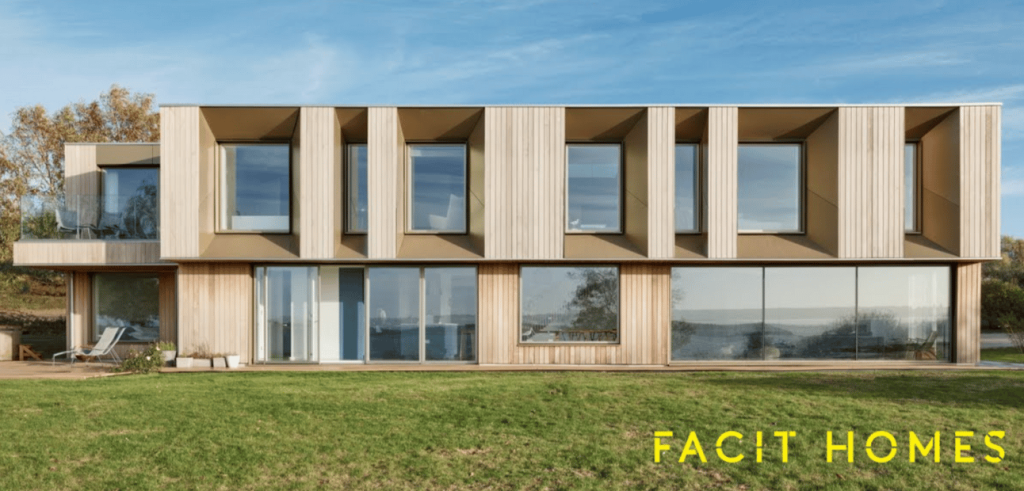
Want to go deeper? Join our Patreon community for exclusive, not publicly available content and support the future of architecture, engineering, and construction. This Week’s Quickfire BytesFuel your curiosity with this week’s contentW/C 6th January 2025 NEW EPISODESFactories in Shipping Containers to Build Houses – Facit Homes Bruce and Oliver from Facit Homes and Facit Technologies share their journey of revolutionising home construction through digital fabrication and micro-factories. Find out why micro-factories are winning over traditional modular factories, how Facit grew without external investment for 15+ years, the real cost comparison: £2,400 vs £120,000 per house in factory overhead and why software alone can’t solve construction’s biggest challenges. open.spotify.com/episode/55Nr799TnZsew4vuGIPIdl A Product Manager’s Guide to Building Hardware for Construction Sites – Emidio Piermarini Emidio Piermarini talks about the challenges of product management in construction tech, the importance of physical solutions for physical problems, and the value of embracing negative feedback. Find out how Converge is revolutionizing precast concrete tracking, the limitations of software-only solutions in construction and the potential for performance-based contracts in construction tech. open.spotify.com/episode/77XxXfI8BO7in9BcH4kvb9 Building a $1.6B Construction Tech Company in Australia – Lessons on Distribution vs Product We discussed VisiBuild securing a $6.6M round from Skip Capital to improve construction quality checks – going beyond just turning paper into apps. Tune in to learn why the “build it and they will come” approach fails in construction, how Australian founders turn their small market size into a global advantage and what makes construction tech distribution different from regular SaaS. open.spotify.com/episode/7zLGm1pmw9dbPnUoQleFRu View All Podcasts BRICKS & BYTES BULLETIN The Global Construction Tech Race: Lessons from Australia’s Success Welcome back to the real world. 2025 has begun! And this week, we’re going down under. Just before Christmas, we spoke with Shubhankar Bhattacharya of Foundamental, tune into the episode here. In this episode, we discussed: • How Autodesk masterfully dominated the construction software market through universities – and what we can learn from their distribution genius • The surprising story behind Australia’s unicorn success • VisiBuild’s recent $6.6M raise – a masterclass in sustainable growth • The truth about SaaS metrics in construction tech: Why traditional benchmarks might be misleading us And, having spoken to a few incredible Aussie founders in December, we decided to go a little deeper into our discussion on Australia. Good day mate! Read Full Article 2 FAVORITE QUOTES: “There is no better person to test your ideas with than a Chinese contractor. A Chinese contractor will absolutely wail you with feedback in the face and tell you direct, negative feedback.” – Emidio Piermarini on handling feedback in construction tech “Your general VC, they seem to be interested in software, software, software… you know, like replicating Silicon Valley.” – Oliver Thomas on VCs’ narrow focus LATEST STORIES Targeting the Underserved: Shifting Focus from GCs to Trades and Subcontractors Discover why construction tech for subcontractors represents a massive untapped opportunity. Learn how targeting trade contractors over GCs could lead to faster growth and better ROI. Construction Technology IPOs: A Global Market Perspective Explore the emerging landscape of construction technology IPOs, focusing on promising candidates in Western markets and India’s booming construction tech sector. The Changing Tides of Venture Capital: Understanding the Factors Driving Startup Success and Failure Explore the changing tides of venture capital. Insights from VC Patric Hellermann on the factors driving startup success and failure in today’s evolving landscape. View More Articles BONUS CONTENTWhat Are Investors Betting On? OUR SPONSORS BuildVision — streamlining the construction supply chain with a unified platform for contractors, manufacturers, and stakeholders. Powered by beehiiv
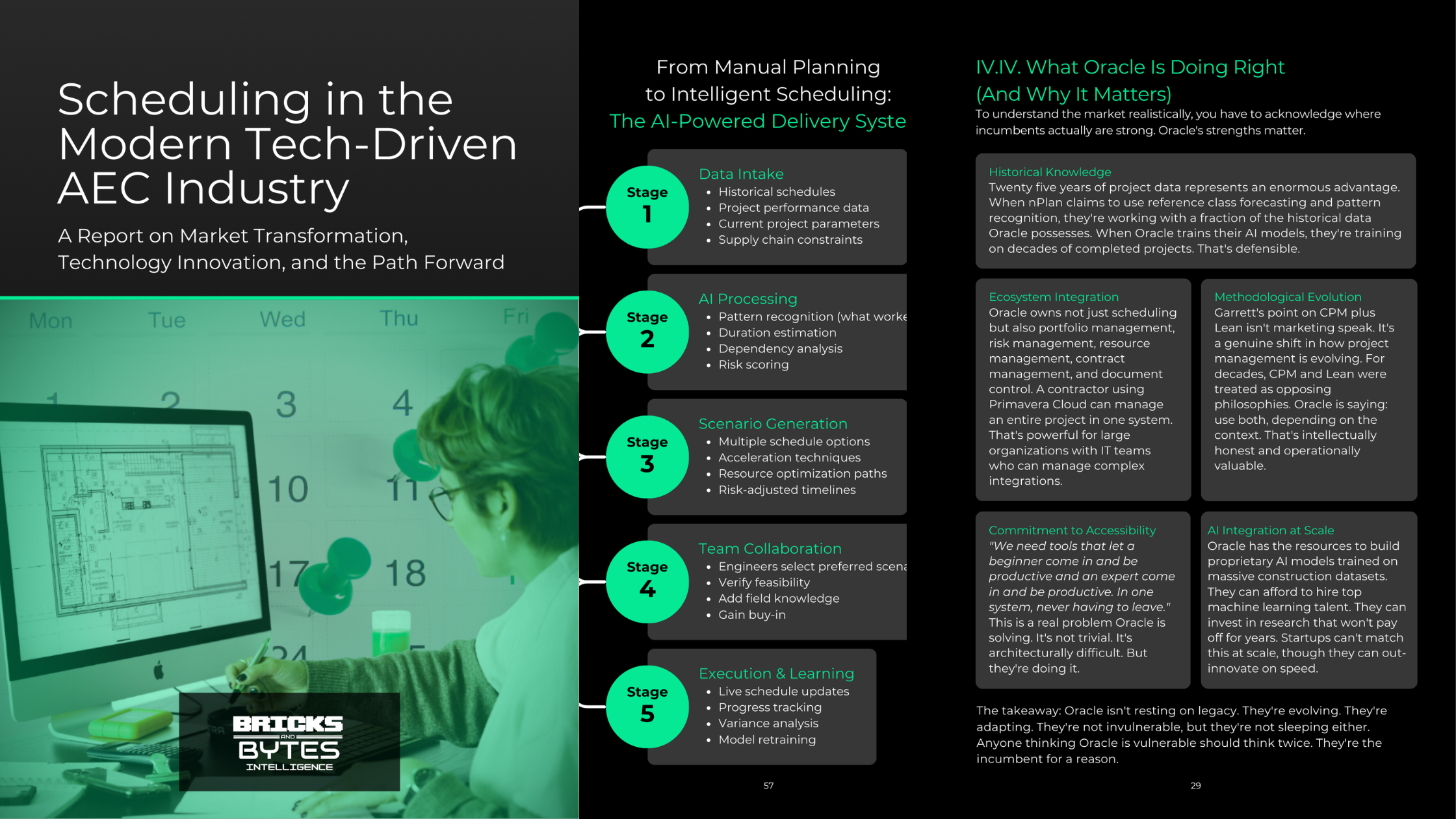
Get a FREE copy of our Scheduling in the Modern Tech-Driven AEC Industry: A Report on Market Transformation, Technology Innovation, and the Path Forward” (worth $150) and a FREE weekly email to stay up to date on construction tech. SIGN UP TODAY!

Scheduling in the Modern Tech-Driven AEC Industry

Sign up to the #1 Newsletter In AEC Tech. Join over 2,100 like-minded Founders, Investors and Techies disrupting the way we build. 

Scheduling in the Modern Tech-Driven AEC Industry