

In the fast-paced world of startups, achieving “unicorn” status – a valuation of over $1 billion – is often seen as the holy grail. As we look at the construction tech landscape in 2024, we’re witnessing a sector that’s not just growing but thriving, with unicorns playing a pivotal role in shaping the industry’s future.
Current Landscape of Construction Tech Unicorns
As of 2024, the construction tech industry boasts several unicorns, each bringing innovative solutions to longstanding industry challenges. While the exact number fluctuates, industry expert Patric Hellermann notes in the latest episode of Bricks, Bucks and Bytes, “In the middle of the chart, we have the alive and private ones. And so here, for example, Hous, Kujala, Tobato, they are technically still unicorns as per public knowledge.”
One standout example is Infra.Market, a leading online marketplace for construction materials and services. However, the unicorn landscape isn’t without its challenges. Patric adds, “Up until July, those were Katera and Veve as previous unicorns. Now I have to update the chart in July again because Nexie actually also is a prior unicorn that is now dead in the water.”
This dynamic illustrates the volatile nature of the construction tech unicorn club, where rapid growth can be followed by equally rapid downturns.
Factors Contributing to Unicorn Status
What sets these unicorns apart? It’s a combination of innovative solutions addressing major industry pain points, strong growth metrics, and the ability to attract significant funding. The global construction tech software market, valued at $12 billion annually in 2024, is projected to grow at a CAGR of 14%, reaching $20 billion. This growth potential is attracting investors and fueling the rise of new unicorns.
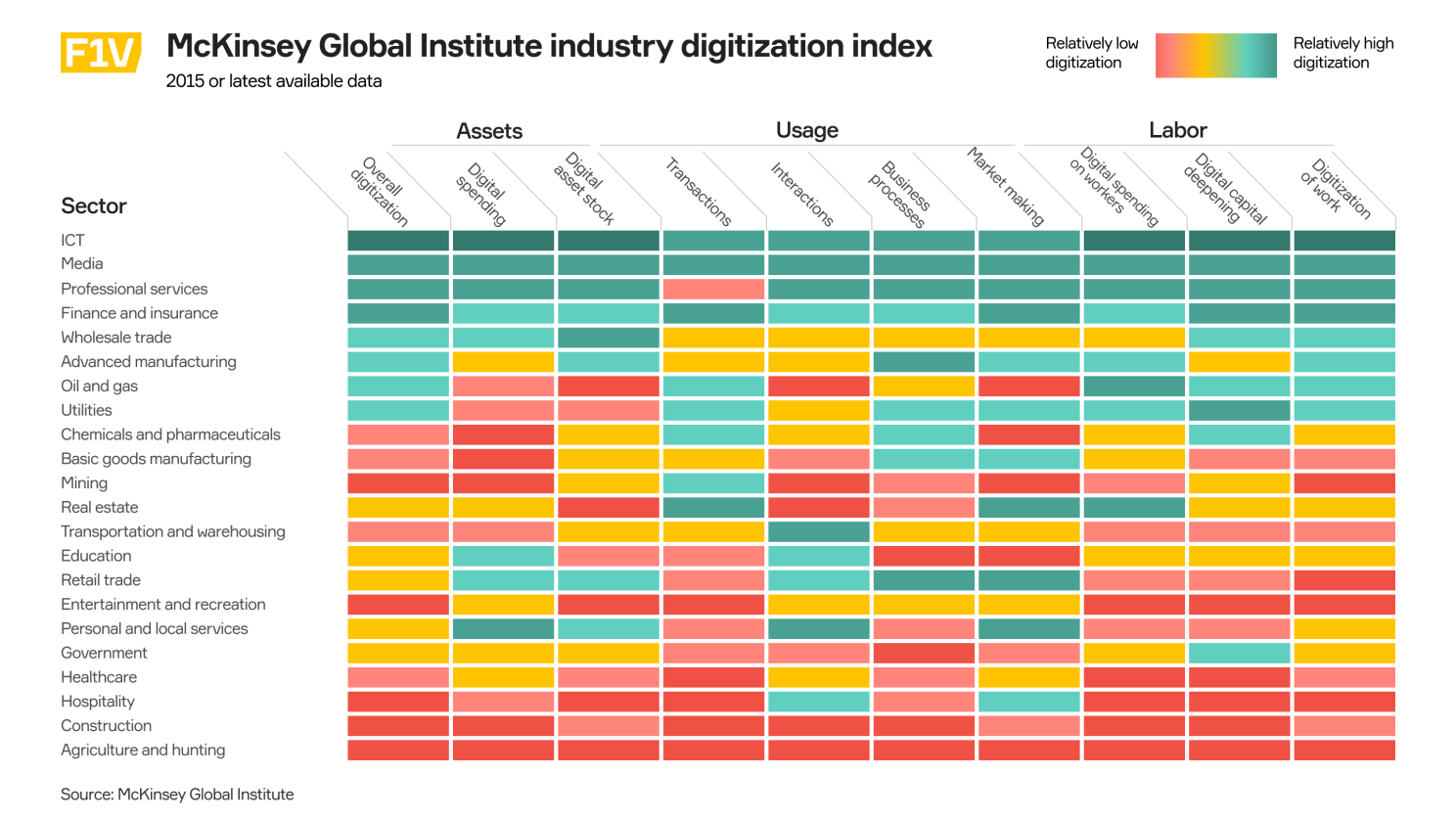
Challenges Facing Construction Tech Unicorns
Despite the sector’s growth, construction tech unicorns face unique challenges. Market volatility, economic uncertainties, and competition from both startups and established players keep these companies on their toes. Moreover, scaling in the construction industry presents its own set of hurdles, given the sector’s traditional nature and resistance to change
Emerging Trends Among Construction Tech Unicorns
As the industry evolves, we’re seeing unicorns focus on AI and machine learning integration, expansion into adjacent markets, and an increased emphasis on sustainability. These trends are not just driving innovation but also opening up new revenue streams and market opportunities.
While it’s challenging to predict the next unicorn, several promising startups are showing strong growth potential. Sectors likely to produce the next wave of unicorns include robotics, advanced materials, and integrated project management platforms.
Impact on the Broader Ecosystem
The rise of construction tech unicorns is having a profound impact on the broader ecosystem. The sector is experiencing unprecedented growth, with cumulative venture capital funding reaching a staggering $34 billion. This milestone isn’t just impressive; it’s a testament to the industry’s potential. As Patric astutely observes, this figure aligns perfectly with predictions made five years ago, suggesting that within the next few years, we could see a total investment surge to $50 billion. This trajectory underscores not only the sector’s current strength but also investors’ unwavering confidence in its future prospects.
This surge in funding is influencing overall investment trends and driving innovation across the sector. The construction tech industry has seen a significant increase in venture capital funding, reaching $34 billion in total cumulative VC funding as of Q2 2024, up from $30 billion in Q4 2023.
In this episode, we discussed why unicorns in the sector are both rising and falling
Looking Ahead: Predictions for the Next 5 Years
As we look to the future, several trends are likely to shape the construction tech unicorn landscape:
- Emergence of New Unicorns: With the sector now accounting for 0.53% of total venture capital, double the previous percentage, we can expect to see more unicorns emerge.
- Consolidation: As the market matures, we may see increased M&A activity among existing unicorns and larger tech players.
- Global Expansion: Many unicorns will likely look to international markets for growth opportunities.
- Increased Focus on Sustainability: Green technologies and sustainable construction solutions could be the next big unicorn-makers.
The construction tech unicorn landscape in 2024 is vibrant and full of potential. While challenges exist, the sector’s strong growth, increasing investment, and focus on innovation suggest a bright future. As these unicorns continue to drive industry transformation, they’re not just changing how we build – they’re redefining what’s possible in construction.