A humanoid robot meticulously lies bricks near the Docklands .. the hum of 3D printing arms fills the air while they steadily lay layer after layer of concrete, and seven drones buzz above monitoring every inch. Just a few years ago, this would sound like a scene from a sci-fi thriller. But it’s not fiction anymore.
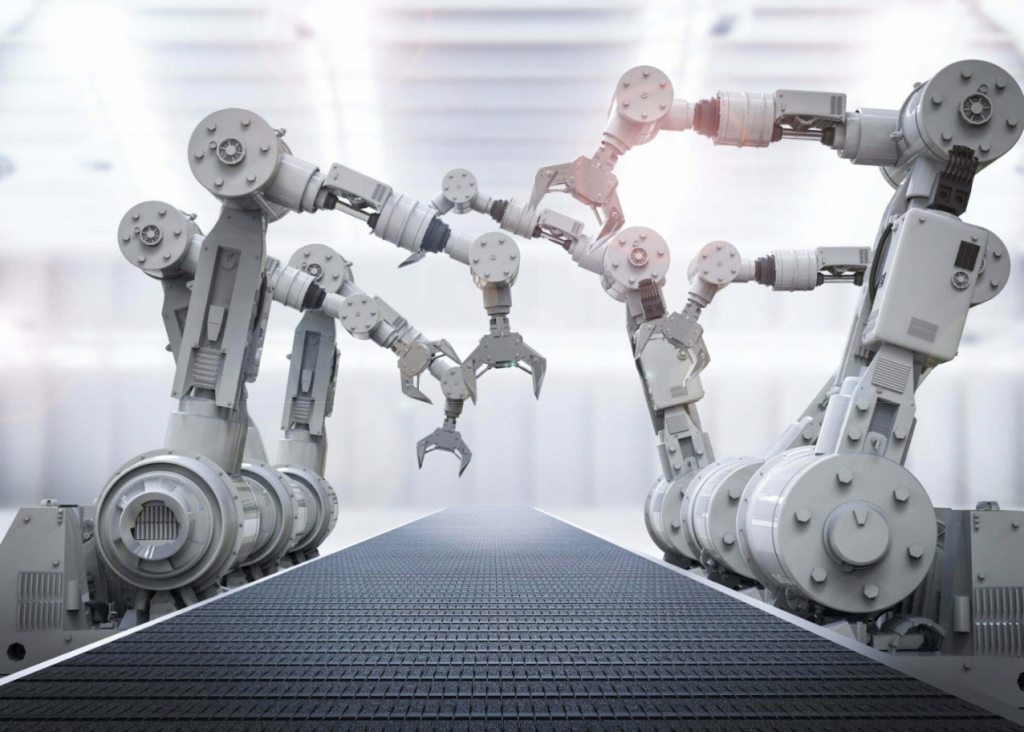
Construction robots are already walking the walk – and for a very good reason. Robotics promises to solve one of the biggest bottlenecks in construction – the shortage of skilled labor. This is a global issue threatening both mature and emerging markets. The construction industry simply doesn’t have a large enough labor pool to meet skyrocketing demand. But robotics and AI can help solve this problem by automating tasks. And we’re already seeing them in action.
Brick Bots Breaking Ground
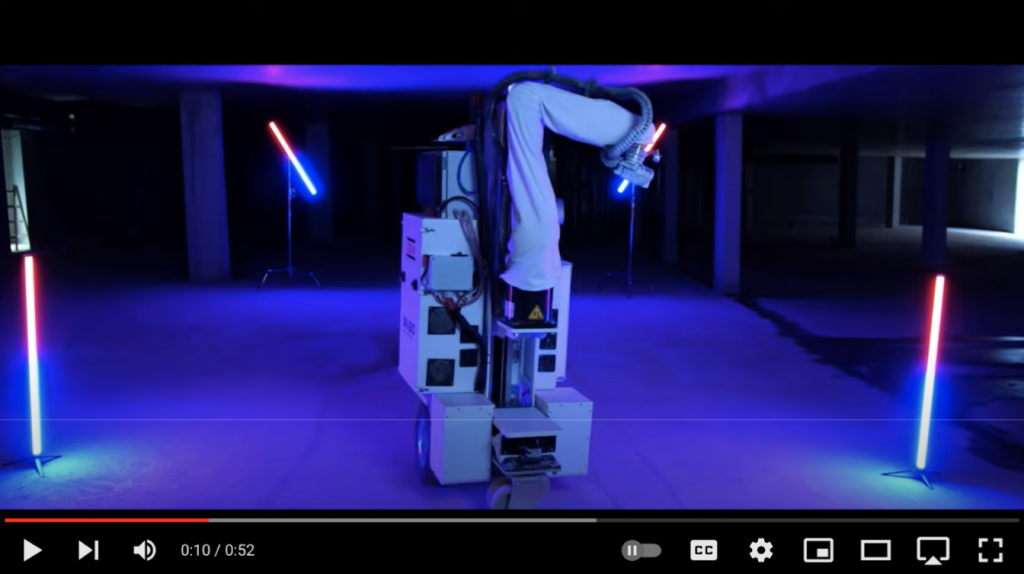
Construction robots are evolving – getting smarter, faster and better in every way. A startup called Okibo claims they’ve developed the world’s first autonomous plastering and painting robot. It’s fitted with 3D scanning sensors that map the immediate environment. As a result, it can travel across rough terrains without any prior information. The real kicker? You don’t have to tell it what to do, it just figures it out automatically.
Learn more about Okibo’s robot
Another trailblazer in construction robotics is an Aussie company called Fastbrick Robotics. Their robot, Hadrian X, is a super-powered bricklayer that uses 3D printing to squeeze out special glue and build walls at unprecedented speed. Get this – Hadrian X can lay a staggering 1,000 bricks in just one hour. That’s like having up to five human builders working flat out all day.
Across the pond, an American bricklaying robot called SAM100 is even more mind-blowing. It can lay a whopping 3,000 bricks in a single day – five times faster than the fastest human bricklayer. And on top of blinding speed, these robot masons are super neat, leaving no mess or crooked walls.
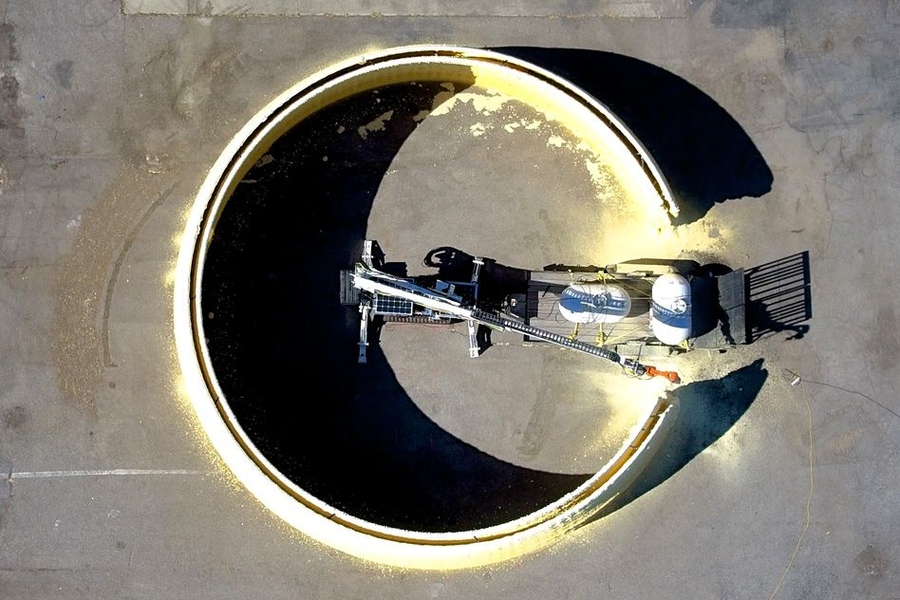
Robot builders are nothing new though. Even back in 2015, scientists at MIT made a massive 3D printer robot that could construct an entire house out of special foam – big enough for people to safely live inside.
Construction’s Paradigm AI Shift
The examples above are just the tip of the iceberg – a tiny glimpse of what the future holds for robotics in construction. For visionary engineers, contractors and architects, robots are the future personified.
“Anyone who is worried about robots being overly disruptive to humans, or completely replacing them, either hasn’t been on a construction site or seriously undervalues human capability.” — Brian Ringley, Boston Dynamics
In Michigan, scientists have already 3D printed an entire super-lightweight building using robotic printer arms guided by intelligent computers to optimize the design.
We’ve only seen the start with drones scanning sites and mapping projects. Major drone companies like DJI are developing specialized drones that can create hyper-accurate 3D maps to plan every inch of a build. Another company called Skydio is collaborating directly with builders, equipping them with smart AI drones designed especially for construction duties.
Robots – those staples of sci-fi movies – have strode right off the screens and onto our construction sites. And it’s not just physical robots – clever AI software like OpenSpace can now manage the whole build, even predicting problems before they arise.
The Construction Robotics Goldmine
The chronic labor shortage in construction presents a massive, untapped opportunity for entrepreneurial startups. Many insightful founders and savvy venture capitalists are already foreseeing a potential goldmine by using AI and robotics to bridge the cavernous supply-demand gap.
Monetizing Your Robots
There are three primary business models construction robotics startups can pursue:
- Selling robots directly to construction firms and contractors
- Offering robotic systems through a rental or service model, with the startup retaining ownership and handling maintenance
- Operating as an automated subcontracting firm that provides end-to-end robotic services
The subcontractor approach captures the most value and offers the greatest scalability potential. It mimics the existing model of human subcontractors. For long-term, a hybrid model combining subcontracting in major cities along with franchising the business may prove more profitable.
The Right Robots
Not every robot will be welcomed on site with open arms. The right robot will be one that does the following:
1. Simple tasks: Think bricklaying, painting…the less reasoning a robot needs, the better.
2. Dangerous duties: Where robots can keep human workers out of harm’s way.
3. Injury hotspots: Bots don’t get carpal tunnel or bad backs.
Who’s Best Equipped to Build Bots? Surprisingly, old-school factory engineers may not be the ideal founders. We need software savants and product gurus – people who can craft robots that just get the job done efficiently. Over-engineered robots are a big no-no.
The Bottom Line
There’s no denying it – robotics is the future of construction. What we once found only in science fiction stories is set to build our homes. From bricklaying robots to painter droids, automated machines can tackle the construction’s labor crisis head-on by handling tedious, dangerous tasks with uncanny precision and speed – far beyond human capabilities.
For startups, their robots need to walk the walk, but once they do.. watch out. The capital is here for the right tech – in Billions. Building bots can require heavy investment, and venture capitalists like Foundamental are ready to back the right ones. The robotic revolution is here – are you ready to build?
Interested to learn more on robotics and latest in construction-tech?
Sign up once and get all the headlines delivered straight to your inbox.