Picture this. You’re sitting in your living room, you slide on a bug-eye headset (Apple Vision Pro), it clicks in place, – and you say “Hey Siri, open site”. In an instant, your living room walls dissolve into a kaleidoscope of pixels. Apple’s soft whoosh fills your ears – and now you stand at the heart of your construction site. With a thumb gesture, the scene shifts seamlessly, revealing a panoramic view of the sprawling complex. This is technology today – as it stands while you read this.
While this might sound like a scene from Matrix – Virtual Reality (VR) has already made a major impact in many industries. To no one’s surprise, it took its own time to crawl to the construction sector. However, it’s here now – and as technology continues to advance, the integration of VR in construction is starting to transform the way we plan, design, and execute projects. Here, we’ll explore how VR is revolutionising construction and the sheer power it presents to architects, builders and companies.
Improved Project Visualisation
One of the most powerful features of VR is its ability to give architects an immersive experience of a project even before it’s built. With the finished 3D site architects, designers and developers can walk through virtual space and plan ahead. It gives an unprecedented view of the project’s layout, design elements, and potential issues – leading to more informed decision-making and reduced rework.
Better Collaboration and Communication
VR makes a powerful collaboration tool for communication with clients and stakeholders. With VR, all parties can virtually meet in a virtual environment and get a 360-degree view of the design and construction process. This helps identify and resolve issues, and make early changes, reducing costly delays. VR can help put all stakeholders on the same page, thereby creating better communication and building trust.
Improved Safety Training
Safety is paramount when people need to work in hazardous environments. This requires proper safety training. VR allows companies to train workers in a safe environment. In a virtual environment, they can learn to handle heavy machinery and hazardous tools without getting hurt. On top of protecting workers on site, this also safeguards equipment from damage.
Reduced Construction Costs
VR offers construction companies the ability to save an unprecedented amount of time and money. The ability to view the development in virtual space means they no longer have to spend as much time and money on numerous mock-ups and prototypes. Test designs and concepts can now be created in a virtual environment before investing in mockups. All this helps to reduce waste and create a more sustainable practice.
Increased Productivity
VR can massively boost productivity in construction. Workers can have easy access to project information and instructions. Just with VR headsets on, workers can view 3D models, access manuals, and get real-time guidance. This can reduce unnecessary paperwork and improve efficiency.
Improved Client Engagement
VR gives all parties the power to view the project in a virtual environment. This is beneficial for all. Clients can step inside the project and companies can better understand their needs. This leads to increased customer satisfaction and repeat business.
Top VR Devices in Construction
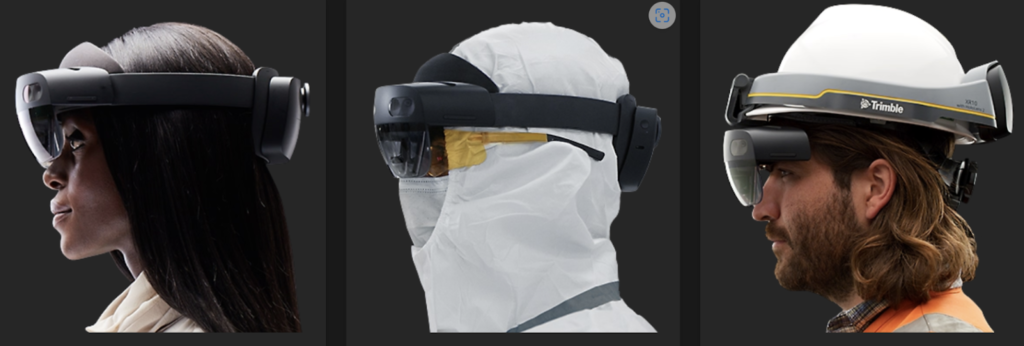
- Microsoft HoloLens 2: Combining AR and VR functionalities, the HoloLens 2 provides a mixed-reality experience for construction professionals. Its hands-free operation and spatial mapping capabilities make it a valuable tool for on-site inspections and remote collaboration.
- HTC Vive Pro: With superior tracking capabilities and precision controllers, the HTC Vive Pro is ideal for detailed design reviews and immersive training simulations in the construction industry. Its high-quality visuals and ergonomic design enhance user experience.
- Oculus Quest 2: Meta’s next-generation headset takes VR to a whole new level with wireless design and high-resolution display. The Oculus Quest 2 offers a 360-degree VR experience for construction professionals. Its portability and ease of use make it a top choice for on-site visualisation and collaboration.
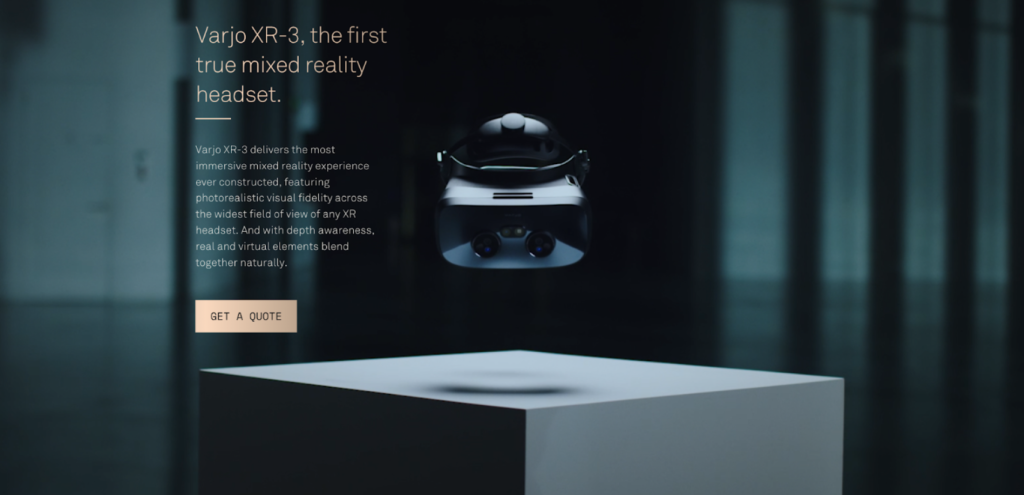
- Varjo VR-3 and XR-3: These high-end headsets are favoured by professionals who require the most immersive and realistic VR/XR experiences possible. Varjo’s technology is particularly well-suited for architecture and engineering applications in construction.
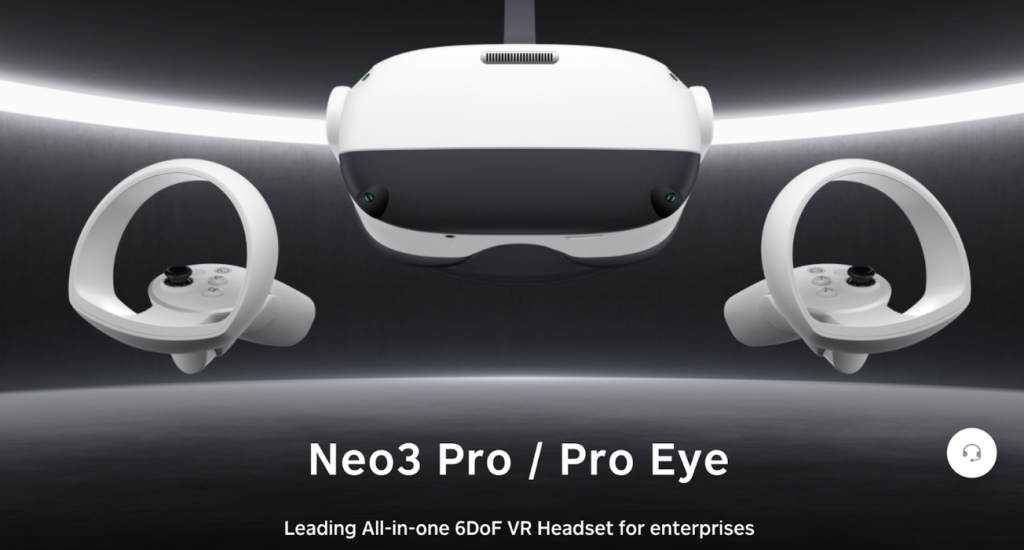
- PICO Neo 3 Pro Eye: This enterprise-focused headset boasts eye-tracking technology, which can be leveraged for advanced training simulations and data collection in construction environments.
Challenges and Limitations
While VR offers countless benefits and even more unseen opportunities, it’s not without challenges. Construction is cemented in traditions and old-fashioned ways. The adoption of cutting-edge technology within such an industry is a major challenge in itself.
Adoption and acceptance are big hurdles – as trying to convince stakeholders of the benefits of VR. At such an early age, it demands extensive training, demonstration, and proof-of-concept projects to overcome nay-sayers and scepticism.
Also, the initial costs of implementing VR can be high for small and medium-sized construction companies. Both in terms of hardware and software, VR demands a sizeable investment. Companies may also need to invest in training and support to effectively implement VR at work.
Final Cut
Virtual Reality is a new dawn in construction. There’s no denying its transformation capabilities. Like never seen before, virtual environments offer limitless possibilities – improved efficiency, collaboration, communication and safety to mention a few.
VR allows remote collaboration which means, people from all over the world can now work on the project without the need for physical site visits – thus improving decision-making.
Last but not least, VR cuts our carbon footprint in more ways than we can mention in the concluding section of a blog – less air travel, reducing waste, energy optimisation … and so much more.
But the question remains: are we ready for a new reality?