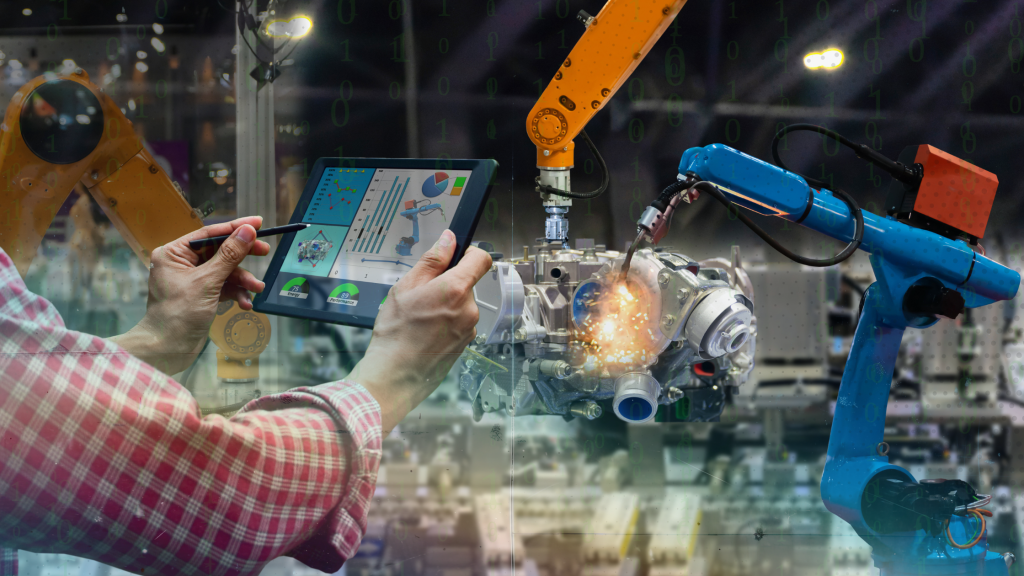
Construction robotics is experiencing unprecedented growth, but successfully deploying robots on job sites requires more than just good technology. Through our conversation with Dr. Henning Roedel, former Robotics Lead at DPR Construction, several critical insights emerged about how to develop and deploy robotics solutions that truly work for construction.
The Show-Me Industry
“Construction is like a show-me industry,” Roedel explains. “You got to show them that you’re going to be reliable. You’re going to be there… people who are in the construction industry are very proud of the work they do. They can show it off to their kids, their friends, their family members.”
This mindset shapes how robotics companies need to approach product development. It’s not enough to have impressive technology – you need to demonstrate reliability and value in real-world conditions. One particularly telling anecdote involves a robotics company that developed their computer vision models in perfect laboratory conditions, only to find their system failing on actual job sites due to changing shadows and sun angles throughout the day. These are the types of real-world challenges that can only be discovered through field testing.
In this episode of BitBuilders, Dr. Henning Rodel, former robotics lead at DPR Construction, shares insights on the future of construction robotics.
Tools, Not Replacements
A crucial insight from Roedel’s experience is that construction robotics must be positioned as tools rather than replacements for workers. He shares a compelling example: “One of my favorite robots right now is Raise Robotics… normally people are doing this work to install facade brackets or drill into the concrete. And you are tied off to a column or a post behind you. You’ve got a full harness. You’re laying on your stomach. And you’re hanging off over the edge of the building… That’s insane. We shouldn’t be doing that in the 21st century.”
The focus should be on eliminating dangerous or physically demanding tasks while empowering workers to be more productive and safer. This approach not only makes adoption easier but also addresses real industry needs.
The Pilot Playbook
For robotics startups, Roedel offers clear advice about piloting: “Don’t accept a pilot for an entire project. That’s like the worst thing you can do because now you’ve stuck yourself into an eight month, nine month, 10 month trial… My recommendation is do sorties. Limit your pilots. If it’s early stage tech, limit it to a week or two.”
Key considerations for product development include:
Focus on Core Construction Metrics
- Schedule improvements
- Cost efficiency
- Quality enhancements
- Safety benefits
- Sustainability impact
- Supply chain optimization
- User experience
Design for Field Conditions
- Account for variable lighting and weather
- Ensure durability in harsh environments
- Make operations simple and intuitive
- Plan for quick deployment and removal
Consider the Entire Workflow
- Understand how the robot fits into existing processes
- Minimize disruption to other trades
- Make maintenance and support straightforward
- Ensure clear communication channels with operators
The Business Model Question
An interesting tension exists between different business models in construction robotics. While Robotics-as-a-Service (RaaS) might seem attractive initially, Roedel suggests it may not be the best long-term approach. Instead, he sees a progression: starting with RaaS for early deployment and testing, then moving toward a hardware-plus-SaaS model as the technology matures.
The key is to avoid the “race to the bottom” that can occur when technology becomes commoditised. Success requires finding ways to add value beyond just the basic functionality of the robot, whether through data insights, workflow optimization, or integration with other systems.
Practical Implementation Tips
For robotics companies looking to deploy on construction sites, Roedel emphasises several practical considerations:
- Build relationships with field workers and understand their daily challenges
- Get comfortable with job site protocols and safety requirements
- Focus on quick wins that demonstrate clear value
- Have a clear plan for iteration and improvement
- Be prepared to adapt to site-specific conditions
The Future of Construction Robotics
The construction robotics field is still in its early stages, with plenty of “white space” for innovation. As Roedel notes, “You can pick a trade and you can basically write the ticket today.” However, this window of opportunity won’t last forever. In the next five years, we’re likely to see increased competition and more validated market needs.
For founders entering the space today, the key is to focus on solving real problems while being mindful of the unique challenges and requirements of construction sites. Success requires more than just technical innovation – it demands a deep understanding of construction processes, workers’ needs, and the business realities of the industry.