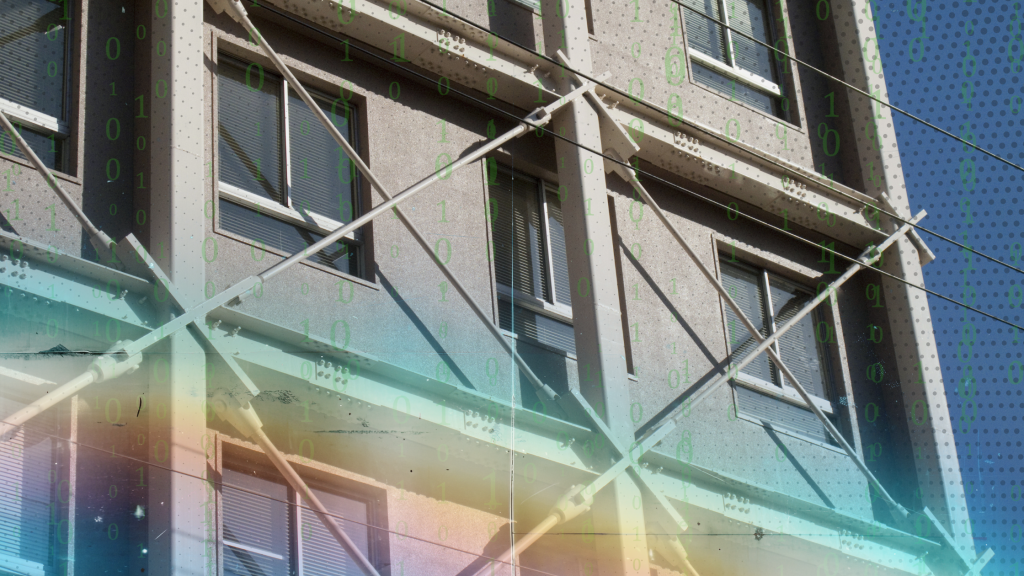
Imagine a continent where three-quarters of all buildings are energy-inefficient. This isn’t a hypothetical scenario – it’s the reality in Europe today. A staggering 75% of buildings in the EU are energy inefficient, highlighting an urgent need for retrofitting. As energy costs skyrocket and climate change concerns intensify, retrofitting has become more than just a buzzword – it’s a necessity.
Why Retrofitting Matters Now More Than Ever
Europe’s building stock is ageing rapidly. Many structures date back decades, even centuries, long before modern energy efficiency standards were even conceived. With the EU’s ambitious goal of achieving carbon neutrality by 2050, upgrading these buildings isn’t just an option – it’s a critical step towards a sustainable future.
Gregory Dewerpe, a leading voice in PropTech, emphasises this urgency:
“There’s just no going around or getting around the fact that we need to retrofit stuff. It’s particularly true for Europe, where we have the oldest housing stock in the world.“
But retrofitting isn’t solely about meeting climate targets. Its benefits are far-reaching:
- Energy Bill Reduction: Homeowners can significantly cut their energy costs.
- Improved Living Conditions: Better insulation means more comfortable homes, winter and summer.
- Property Value Boost: Energy-efficient homes command higher market prices
- Job Creation: The retrofitting boom is opening up numerous opportunities in the construction sector.
An exclusive insider look at AO Venture Capital (now noa), Europe’s largest built-world VC firm with direct access to $40 Billion in real estate. Listen to the full episode HERE.
Key Drivers Fueling the Retrofitting Trend
Several factors are converging to create the perfect storm for a retrofitting revolution:
- Government Regulations: The EU’s Energy Performance of Buildings Directive is setting stringent standards, pushing building owners towards efficiency.
- Soaring Energy Costs: As utility bills climb, homeowners are increasingly motivated to find long-term solutions.
- Climate Change Awareness: Public consciousness about carbon footprints is at an all-time high.
- Property Market Dynamics: Energy-efficient homes are becoming more attractive to buyers and renters alike.
Navigating the Challenges in the Retrofitting Landscape
Despite the enormous potential, the path to widespread retrofitting isn’t without its obstacles:
- Skill Shortage: The demand for retrofitting far outstrips the supply of qualified professionals. As Dewerpe pointedly notes:
“You could drop ship 5 million heat pumps tomorrow in Europe. It wouldn’t change a thing because there’s nobody to install it, or at least there’s not enough people to install it.“
- Financial Hurdles: The upfront costs of retrofitting can be daunting for many homeowners.
- Technical Complexity: Retrofitting often involves intricate processes requiring specialised knowledge.
- Supply Chain Fragmentation: Coordinating multiple contractors and suppliers can be a logistical nightmare.
Opportunities Ripe for Innovation
Where there are challenges, there are opportunities for innovative solutions:
- One-Stop-Shop Platforms: Companies like Enter are revolutionising the retrofitting process by offering comprehensive services under one roof.
- Cutting-Edge Materials: Startups are pushing the boundaries with new, more efficient insulation and sustainable building materials.
- Creative Financing: Novel funding models are emerging, making retrofits more accessible to a broader range of homeowners
- AI-Powered Assessments: Advanced technologies are enhancing the accuracy and efficiency of energy audits. Patric Hellerman during one of our BBBC episodes, highlights the importance of these platforms: “The energy audit is the right to play in this market because you acquire the physical substance and you gain the trust of the customer because you’re a credible arbitrator.“
Success Story: Enter’s Rapid Rise in Germany
Enter, a German startup, serves as a shining example of the potential in the retrofitting market. Their innovative platform:
- Conducts detailed energy audits using cutting-edge technology
- Connects homeowners with a network of vetted, skilled contractors
- Facilitates access to financing options and navigates the complex world of government subsidies
Enter’s meteoric growth and successful funding rounds underscore the massive potential in this market.
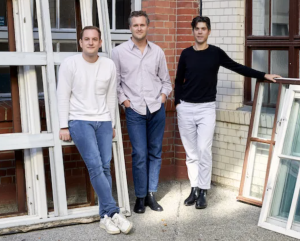
Credits: Enter / Enter’s Max Schroeren, Justus Menten, Alexander Müller
The Future of Retrofitting: A Glimpse into Tomorrow
- AI and Machine Learning: These technologies will streamline the retrofitting process, from initial assessment to project completion.
- Prefabrication: Off-site manufacturing of retrofitting components will speed up installations and reduce costs.
- Green Financing: More banks and financial institutions will offer specialised loans for energy-efficient upgrades.
- Policy Evolution: Expect more government incentives and potentially even mandates for retrofitting.
However, it’s not just about market size or funding amounts. The focus is on creating real value and being the best in the business. Success in this sector will come to those who prioritise excellence and innovation over mere financial metrics.
Taking Action: What Can You Do?
- Homeowners: Start with an energy audit. It’s the first step to understanding your home’s efficiency potential.
- Investors: Look beyond traditional real estate. PropTech startups in the retrofitting space offer exciting opportunities.
- Policymakers: Consider innovative policies that can make retrofitting more accessible and affordable for all.
- Entrepreneurs: There’s still room for disruption in this growing market. Can you solve one of the industry’s pressing challenges?
The retrofitting revolution in Europe isn’t just coming – it’s already here. As we collectively tackle the twin challenges of climate change and energy efficiency, the opportunities in this sector are set to grow exponentially. The question isn’t whether to get involved, but how and when.