The construction industry stands at a fascinating crossroads between traditional practices and technological innovation. Rather than a complete replacement of conventional methods, we’re witnessing a natural evolution driven by necessity and efficiency.
Whilst automation promises significant benefits, the reality is more nuanced than a straightforward technological takeover. Recent evaluations of robotic assembly have shown that despite its potential, the technology remains prohibitively expensive and complex to implement. Current estimates suggest we’re still three to four years away from practical, widespread adoption of such solutions.
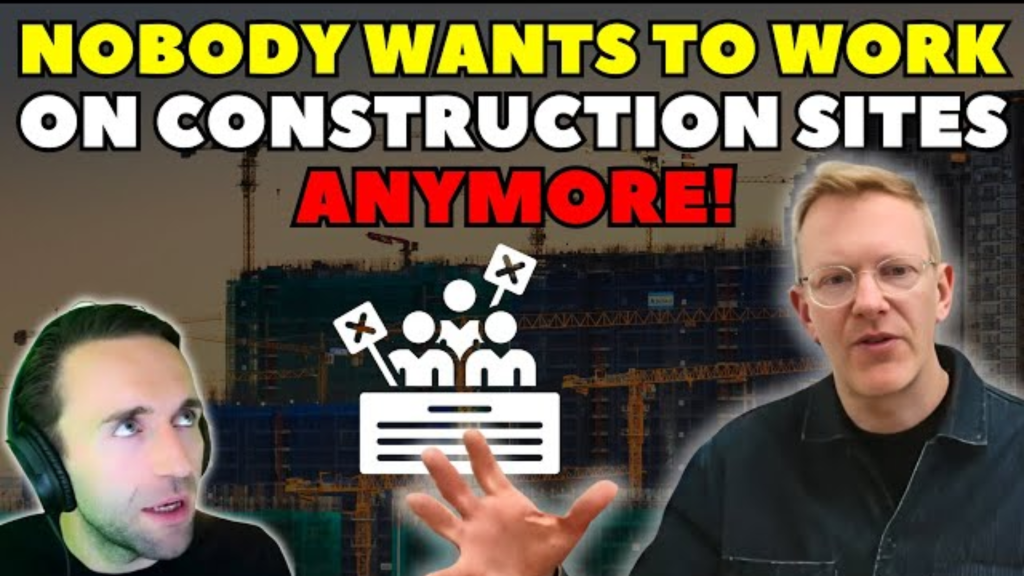
However, the most pressing challenge isn’t technological—it’s cultural. The industry faces a significant workforce crisis as traditional construction roles become less appealing to younger generations. This demographic shift necessitates a transformation in how we approach construction work.
The solution lies in modernising construction sites through digital tools and innovative processes that make the industry more attractive to the next generation of workers. By creating an environment where construction work feels modern and technologically engaged, we can bridge the gap between traditional craftsmanship and contemporary workplace expectations.
This evolution isn’t just about replacing manual labor with machines—it’s about creating a sustainable future for construction that combines the best of both worlds.
Check out the full episode with Bruce and Oliver from Facit Homes HERE.