
The construction tech landscape is booming. With innovation transforming age-old practices, venture capitalists are taking notice. But what exactly catches a VC’s eye in this evolving sector? Let’s dive into the minds of investors and uncover what makes a construction tech startup stand out.
The Construction Tech Revolution
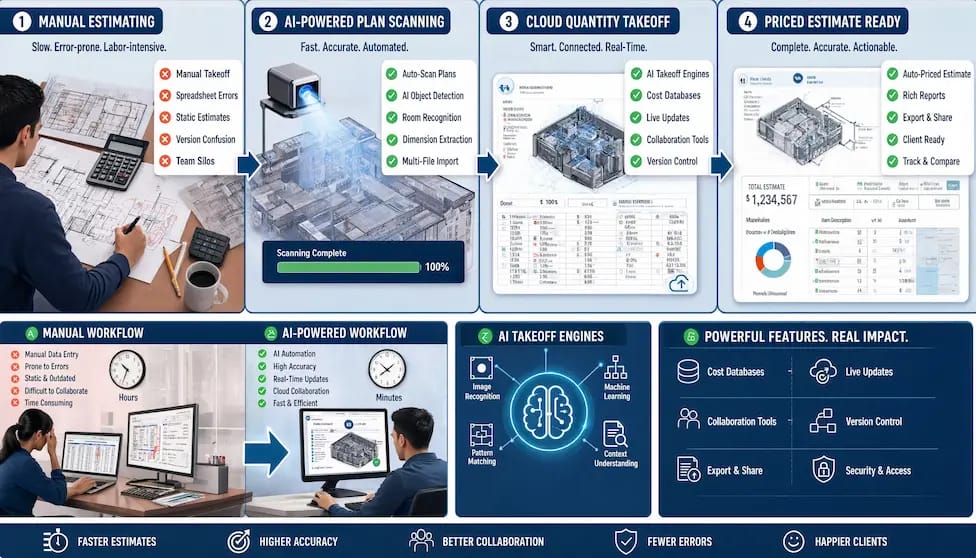
From AI-powered project management to IoT sensors on job sites, construction tech is reshaping the industry. This digital transformation is attracting significant investor attention.
A study by Foundamental, an investment fund specialising in construction tech startups, found that in 2021, construction tech startups raised a record $8.7 billion in funding. This was the highest annual amount ever raised by the sector
What’s on a VC’s Checklist?
So, what do investors look for? Let’s break it down:
- Market Size and Potential. VCs want to see a big addressable market. Construction, being a trillion-dollar industry, ticks this box. But your startup needs to target a sizable slice of this pie.
- Team Expertise. A blend of construction know-how and tech savviness is crucial. VCs appreciate collaborators who can look beyond surface-level assessments to recognize the true value of unique business models in their specific industry.
- Innovative Technology. Your solution should solve real problems in novel ways. Whether it’s AI for risk assessment or blockchain for supply chain transparency, innovation is key.
- Scalable Business Model VCs. look for startups that can grow rapidly. Your business model should allow for expansion across regions or construction sectors.
- Early Traction. Nothing speaks louder than customer adoption. Early partnerships with construction firms can significantly boost your appeal to investors.
The Construction Conundrum

Construction isn’t just another industry. It has unique challenges that VCs are acutely aware of:
- Long sales cycles
- Regulatory hurdles
- Resistance to change
Your startup needs to show how it’s navigating these obstacles.
Red Flags That Scare Investors Away
Beware of these common pitfalls:
- Overreliance on a single client
- Lack of industry partnerships
- Ignoring regulatory compliance
The Distribution Dilemma
The key to success in the construction industry lies in developing highly effective and industry-specific distribution channels. Companies that can create streamlined networks with multiple relevant touch points throughout the construction process will be best positioned to leverage and benefit from artificial intelligence advancements.
VCs are increasingly focusing on your go-to-market strategy. How will you reach customers efficiently in this fragmented industry?
Success Stories: Learning from the Winners
Let’s look at a real-world example. Infra.Market, an Indian construction materials marketplace, caught investors’ attention by solving a critical industry problem.
InfraMarket has achieved a remarkable financial position, consistently generating billions in yearly revenue. What’s particularly noteworthy is their sustained profitability. Unlike many high-growth companies that may occasionally dip into profitability, InfraMarket has maintained a positive bottom line throughout most of its operational history. This consistent profitability, coupled with their substantial revenue, underscores the company’s strong business model and market position.
This combination of rapid growth and profitability is music to a VC’s ears.
More on Infra.Market’s rise HERE.
The Data Advantage

In the age of AI, data is king. VCs are increasingly interested in startups that not only collect valuable data but know how to leverage it effectively.
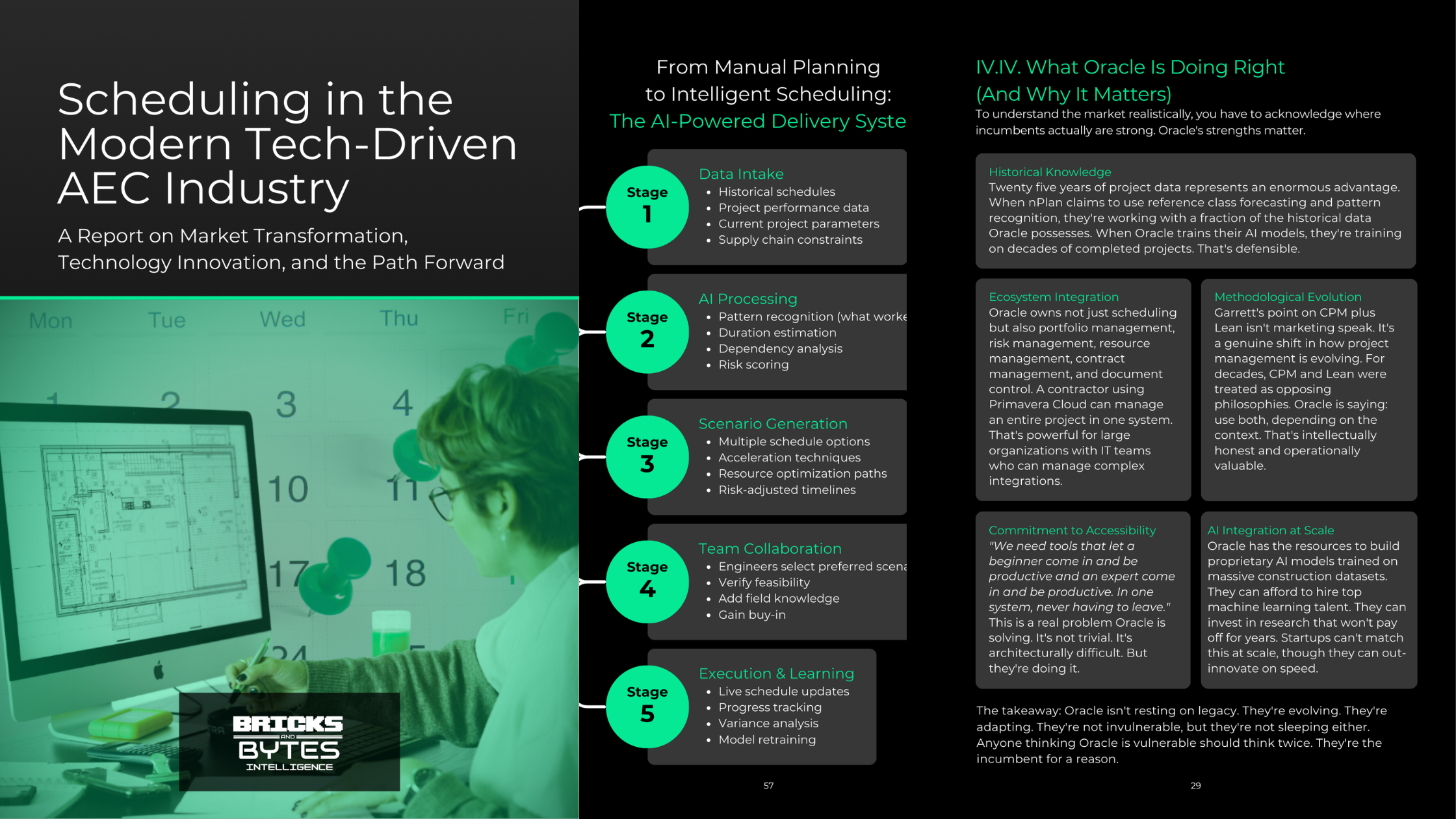
While major players like Procore possess valuable data, their insight into project optimsation through AI is limited. Despite having access to significant and relevant information that would be coveted by anyone tackling this challenge, even these industry giants only capture a fraction of the total data needed for comprehensive AI-driven project optimization. This suggests that there’s still considerable room for innovation and improvement in leveraging AI for construction project management.
This insight highlights a crucial opportunity for startups. While established players may have large data sets, they often lack a comprehensive view. VCs are looking for startups that can:
- Gather unique, high-quality data from multiple sources
- Implement robust data analysis capabilities
- Use data to drive actionable insights for construction projects
- Ensure data privacy and security in an increasingly regulated environment
Remember, it’s not just about having data – it’s about making it talk. Show investors how your data strategy gives you a competitive edge and how it can be monetized in the long run.
Balancing Innovation and Practicality
While cutting-edge tech is exciting, VCs also value practical solutions that address real-world construction challenges. Your startup should demonstrate how its innovation translates to tangible benefits for construction firms. As Patric says:
“Most of the AI companies build on the initial pitch that, hey, actually, we’re doing something 90% cheaper than is currently being done today.”
However, he cautions:
“What they fail to say or fail to see, perhaps, in some cases, is that the same principle is getting applied to them.”
This suggests that VCs are looking for more than just cost-cutting through technology.
Global Perspectives: Think Beyond Borders

Construction tech isn’t limited by geography. Infra.Market, for example, has established a strong global presence in the export market. Their product range, which includes tiles, granite, natural stones, electrical components, and wood-based materials, is distributed to numerous countries worldwide. This international reach demonstrates the company’s ability to cater to diverse markets and their significant role in the global construction materials supply chain.
VCs love startups with global potential.
Advice for Aspiring Construction Tech Founders
- Know your industry inside out
- Build a diverse team with both tech and construction expertise
- Focus on solving real, pressing problems
- Develop a clear, scalable go-to-market strategy
- Be prepared to educate investors about construction’s unique challenges
The Future of Construction Tech Investment
As the sector matures, we’re likely to see:
- More focus on sustainability and ESG factors
- Increased interest in AI and machine learning applications
- Growing importance of interoperability between different tech solutions
Key Takeaways
Remember, VCs are looking for:
- Large market opportunity
- Innovative solutions to real problems
- Scalable business models
- Strong teams with industry expertise
- Efficient distribution strategies