
Did you know that heavy equipment sits idle for up to 40% of its time on construction sites? Recent studies by major equipment manufacturers reveal alarming statistics about heavy equipment efficiency. Komatsu’s analysis of telematics data from approximately 75,000 machines over a year showed an average idle time of 38% for their equipment in North America. Similarly, Volvo Construction Equipment estimates that large construction fleets, averaging around 450 machines, typically experience 28-30% idle time.
These figures can fluctuate based on factors such as application, weather conditions, and industry segment. Industry experts suggest that to balance operational needs and minimise waste, idle time should ideally be kept below 20%.
These statistics highlight a significant opportunity for improvement in the construction industry, where optimising equipment usage could lead to substantial cost savings and increased productivity.
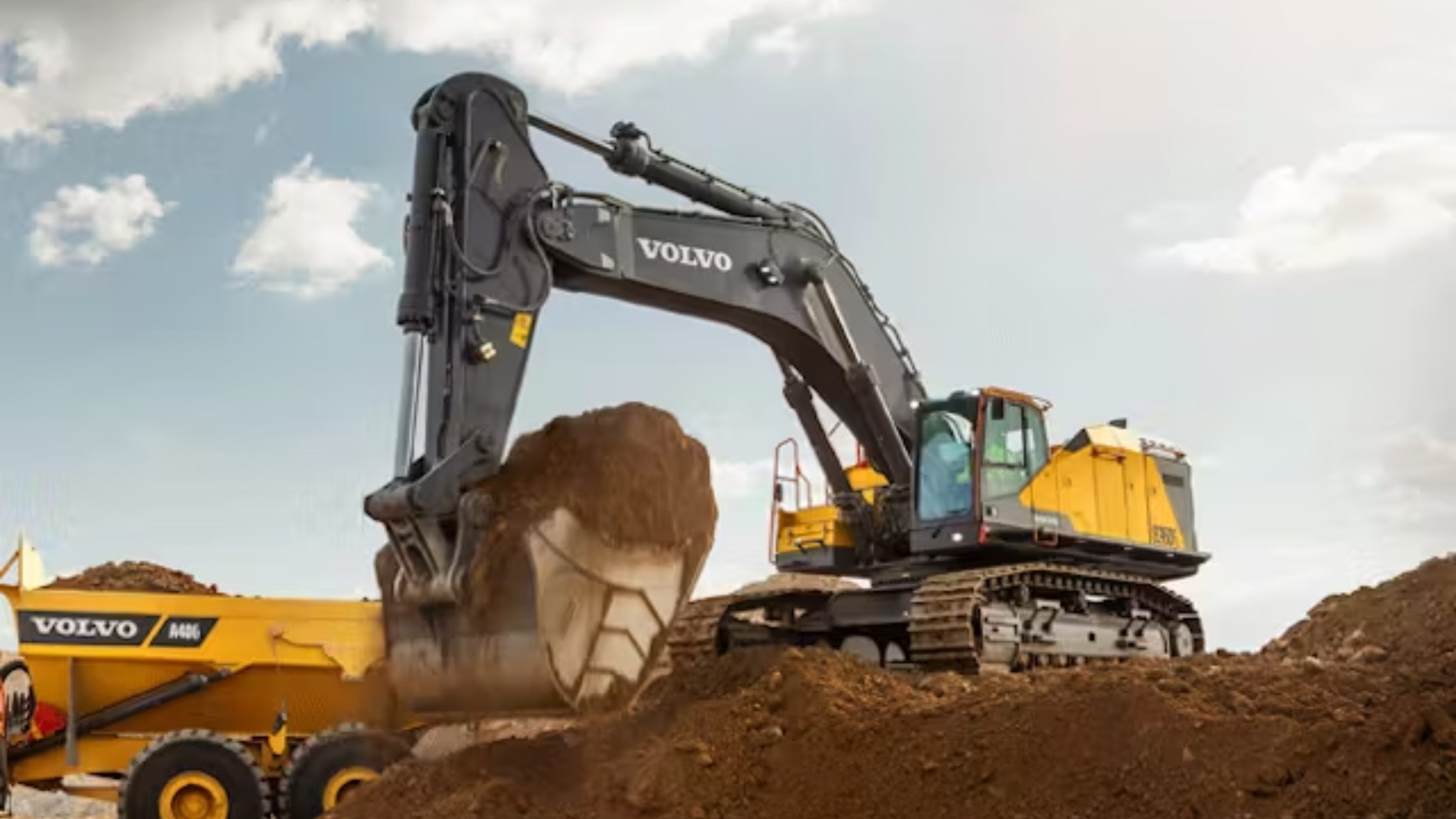
Current Challenges in Heavy Equipment Management
Construction companies face numerous challenges when it comes to heavy equipment:
- Inefficient utilisation
- High maintenance costs
- Safety concerns
- Fuel waste
- Difficulty in tracking equipment across large sites
These issues not only impact project timelines but also significantly affect the bottom line.
Introducing AI and IoT in Construction
AI and IoT are not just buzzwords – they’re powerful tools transforming the construction landscape. IoT devices collect vast amounts of data from equipment, while AI analyses this data to provide actionable insights.
As discussed during a Bricks, Bucks, and Bytes episode:
“Now the company with all of that has. pivoted more into actually bringing the machinery, bringing the insights, the analytics for monitoring productivity, monitoring safety, monitoring emissions, monitoring fuel efficiency for these machinery or fleets of machinery for their clients.”
This shift towards data-driven decision-making is revolutionising equipment management
Specific Applications of AI and IoT in Heavy Equipment Operations
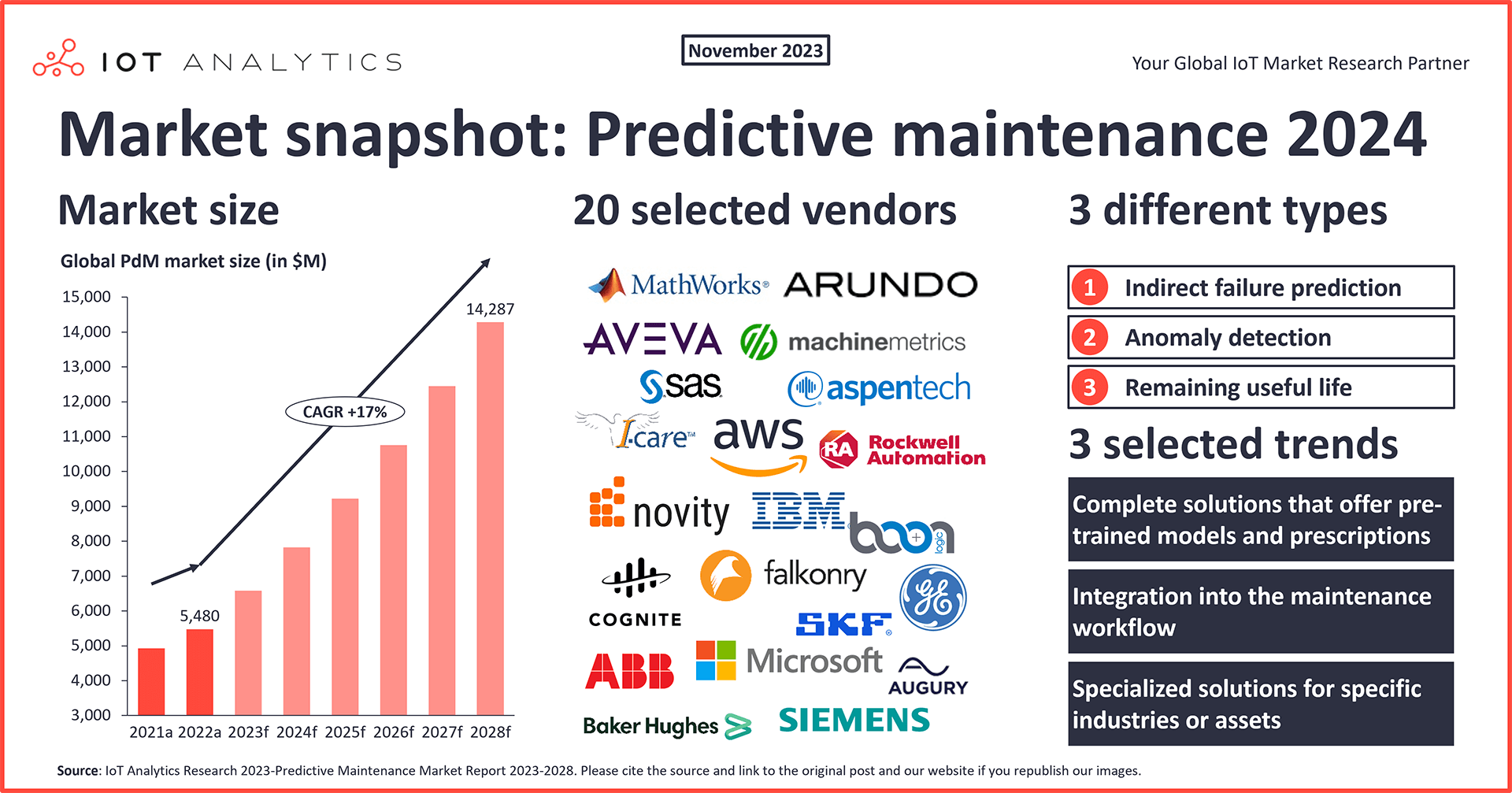
Predictive Maintenance. AI algorithms can predict when equipment is likely to fail, allowing for proactive maintenance and reducing costly downtime.
Real-time Equipment Tracking and Utilisation Optimization. IoT sensors provide real-time location and usage data, helping managers optimise equipment deployment across sites.
Fuel Efficiency Management. AI analyses operation patterns to suggest fuel-saving measures, cutting costs and reducing environmental impact.
Safety Monitoring and Accident Prevention. IoT devices can detect unsafe operation conditions and alert operators, preventing accidents before they happen.
Automated Operation and Remote Control. Advanced AI systems are enabling semi-autonomous or fully autonomous operation of certain equipment, improving precision and safety.
Case Study: Tenderd’s Success in the Middle East
Tenderd, an analytics platform for effective and sustainable operations, has successfully implemented AI and IoT solutions in the Middle East. It has established itself as a dominant player in the Middle Eastern construction technology sector, likely leading its category in the region.
Saudi Arabia has emerged as a key focus for many companies due to its thriving construction industry. In this booming market, Tenderd has positioned itself as a top-choice provider, not only for the high-profile Neom project but potentially for numerous other developments across Saudi Arabia’s rapidly expanding construction landscape.
Tenderd’s success demonstrates the growing demand for smart equipment management solutions in the construction industry.
Read more on Tenderd HERE.
Future Potential and Emerging Trends
The future of AI and IoT in construction equipment management looks promising:
- Integration with Building Information Modeling (BIM) for seamless project management
- Augmented Reality (AR) interfaces for equipment operators
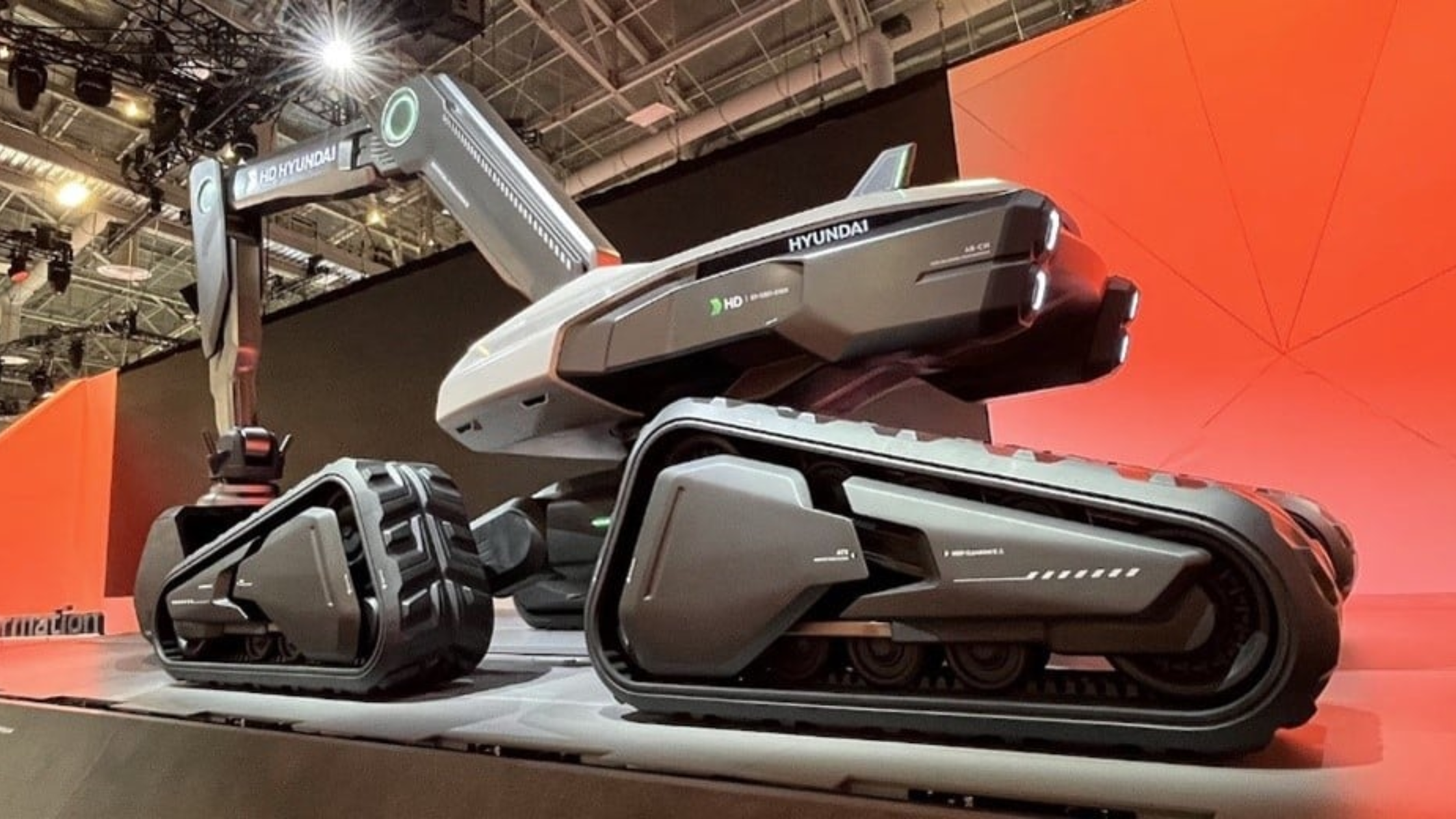
- Advanced robotics for dangerous or repetitive tasks
- Machine learning algorithms for optimising entire construction processes
Implementation Challenges and Solutions
While the benefits are clear, implementing AI and IoT solutions can be challenging:
- High initial costs: Start small and scale up as you see returns on investment.
- Resistance to change: Provide thorough training and highlight the benefits to workers.
- Data security concerns: Partner with reputable technology providers with strong security measures.
- Integration with existing systems: Look for solutions that offer APIs for easy integration.
Practical Takeaways: Getting Started with Smart Equipment Management
- Assess your current equipment management practices
- Identify key areas for improvement
- Research AI and IoT solutions that address your specific needs
- Start with a pilot project on a single site or with a specific equipment type
- Measure results and adjust your approach as needed
- Gradually expand implementation across your operations
The construction industry is on the brink of a technological revolution. By embracing AI and IoT for heavy equipment management, companies can significantly improve efficiency, safety, and profitability. The question is no longer if you should adopt these technologies, but when and how.