
The path from startup to successful acquisition isn’t always straightforward, but when it works, it can create tremendous value for both companies involved. The story of Rocos’ acquisition by DroneDeploy offers valuable insights into what makes a successful merger in the construction technology space.
The Genesis of the Deal
David Inggs and his team at Rocos had built a sophisticated cloud infrastructure platform for robotics companies when they first connected with DroneDeploy. What started as a casual introduction through venture capitalists evolved into a strategic partnership and eventually led to acquisition. As Inggs recalls:
“We were literally doing a capital raise at that moment. So for us, in some ways it was convenient because we could literally say, look, if we’re going to do this, let’s not talk for the next 12 months. It’s like, look, we’ve got weeks to make this decision, not months to make this decision.”
This timing created a natural urgency that helped focus the discussions and decision-making process. But what made this particular acquisition successful went far beyond timing.
In this episode of BitBuilders, David Inggs, Head of Robotics at DroneDeploy, shares invaluable insights on the challenges and opportunities in construction robotics.
Cultural Alignment: The Foundation of Success
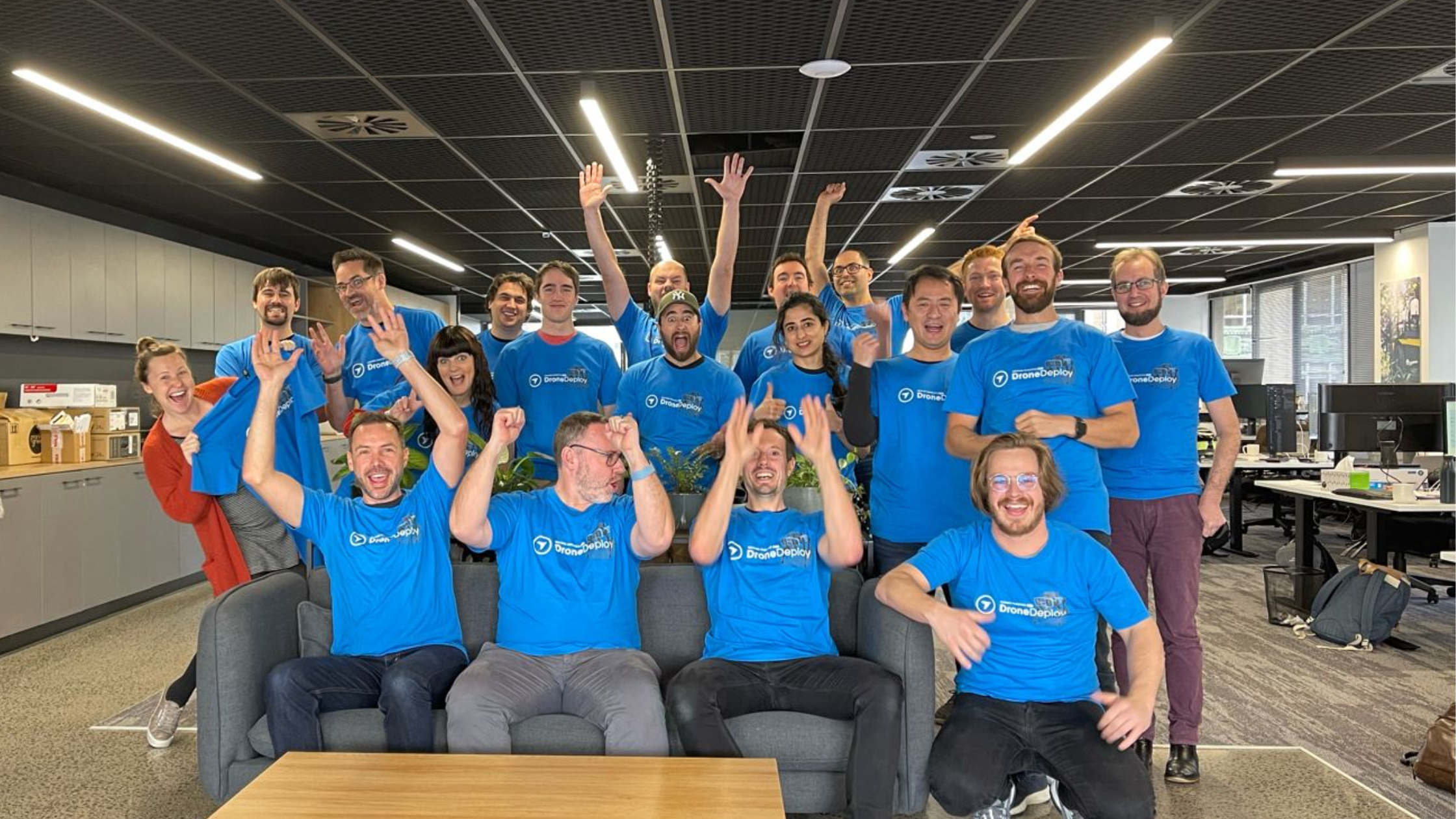
One of the most striking aspects of this story is how the acquisition succeeded despite being negotiated entirely during COVID, with most team members never meeting in person. The secret? A strong alignment of company values and culture on both sides.
“We were, I think, lucky that two sets of values of the company had built up in the culture of the humans, the type of humans we attract, and what we encourage was very much aligned,” Inggs explains. This cultural fit proved crucial for the post-acquisition integration, with both teams working together seamlessly three years later.
The Strategic Fit
The acquisition made sense because it wasn’t just about buying technology – it was about expanding capabilities in a way that aligned with DroneDeploy’s broader vision. DroneDeploy’s strategy rested on three key pillars:
- Unify: Bringing together aerial and ground-based reality capture
- Automation: Making continuous site digitization possible
- AI: Adding intelligence to transform raw data into actionable insights
Rocos’ robotics infrastructure technology fit perfectly into this vision, particularly in advancing the automation pillar. This strategic alignment meant the acquired team could continue their mission with greater resources and an established customer base.
Making the Decision
For startup founders, the decision to sell can be emotionally challenging. Inggs’s team approached it pragmatically, weighing several factors:
- Market timing and risk: While Rocos could potentially become a billion-dollar company independently, the robotics market still carried significant uncertainties
- Resources and scale: DroneDeploy offered immediate access to enterprise customers and established sales channels
- Value creation potential: The combined technologies could create more value together than separately
- Risk mitigation: Joining an established player reduced execution risk while maintaining upside potential
As Inggs puts it: “If you look at it realistically, you’re going to create a very valuable company with the combined technology. There’s a long way for DroneDeploy still to grow, especially with our technology and the stuff they have in their roadmap and the downside, you’re just eliminating a whole bunch of downside risk.”
Keys to Success
Several factors contributed to making this acquisition successful:
- Clear strategic alignment: Both companies shared a vision for the future of construction technology and automation
- Cultural compatibility: Similar values and working styles made integration smoother
- Autonomy with support: The Rocos team could continue their mission while leveraging DroneDeploy’s resources
- Complementary capabilities: The technologies enhanced each other rather than overlapping
- Timing: The market was mature enough to validate the concept but early enough to capture significant growth
Lessons for Other Founders
For construction technology founders considering acquisition offers, this story offers several valuable takeaways:
- Talk to VCs even if you’re not raising money: They can provide valuable introductions and industry insights
- Focus on culture: Strong cultural alignment can overcome physical distance and other integration challenges
- Think strategically: Consider how combining forces might create more value than staying independent
- Stay mission-focused: The right acquisition should accelerate your mission, not derail it
- Be realistic about market timing: Sometimes being acquired by a more established player can help you reach your goals faster
The Future Outlook
Three years post-acquisition, the integration continues to bear fruit. The combined company is well-positioned to lead in construction technology, particularly as the industry increasingly embraces automation and digital transformation.
For the construction technology ecosystem, this success story demonstrates that strategic acquisitions can work well when there’s genuine alignment of vision, culture, and capabilities. As the industry continues to evolve and mature, we’re likely to see more such combinations as companies seek to build comprehensive solutions for their customers.
Remember, while not every acquisition story ends this successfully, understanding what works can help founders make better decisions about their own companies’ futures. The key is finding the right partner at the right time, with the right cultural fit and strategic alignment to take your vision forward.