
Is it possible to disrupt established players in construction technology? With Autodesk’s dominant position in the industry, many startups dream of becoming the next big disruptor. But as former Autodesk co-CEO Amar Hanspal explains, the path to successful disruption is more nuanced than many realise.
The State of Construction Technology
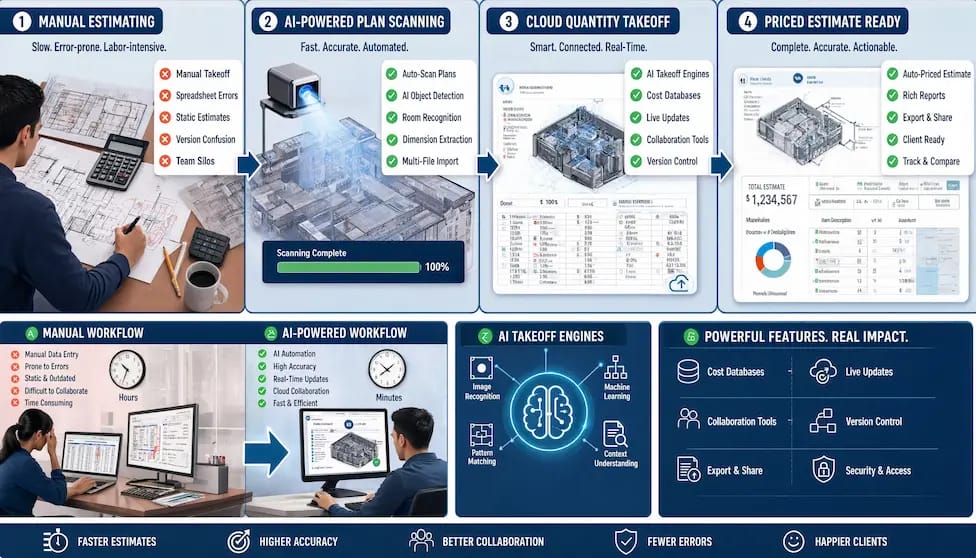
“We’re still using 20th century tools for 21st century problems,” Hanspal observes about the current state of construction technology. This mismatch between modern needs and legacy tools creates opportunities for innovation, particularly as the industry grapples with demands for sustainability, resilience, and new construction methods.
In this episode of BitBuilders, Amar Hanspal, former co-CEO of Autodesk, talks about the challenges of building successful products, the importance of team dynamics, and crucial lessons for startups in the AEC space.
The Challenge of Disruption
The battle between incumbents and startups, Hanspal explains, comes down to “the speed between which a startup gets distribution and an incumbent gets innovation.” History shows that incumbents generally don’t innovate fast enough, creating opportunities for newcomers. However, there are exceptions – Microsoft’s successful pivot under Satya Nadella being a prime example.
Why Disruption is Possible Now
Several factors make this an exciting time for potential disruption:
Technical Breakthroughs: The emergence of new technologies like advanced machine learning provides opportunities to reimagine product experiences
Industry Evolution: The construction industry’s needs are changing rapidly, while tools haven’t kept pace
Market Readiness: There’s increasing awareness of the need for better solutions
Key Lessons for Challengers
Start with the Problem, Not the Technology
“Too many startups I’ve run across start from the technology and not the customer problem,” Hanspal notes. Success comes from deeply understanding customer pain points rather than starting with a technological solution looking for a problem.
Focus on Execution
Ideas aren’t unique – what matters is execution. As Hanspal puts it, “Your competitive advantage comes across in how you can translate that idea into reality.” This means building a team and process that can iteratively improve and deliver real value.
Take the Long View
Disrupting established players takes time, particularly in construction technology. “In the AEC industry, it’ll take two years for it to succeed,” Hanspal explains. This means planning for longer development and adoption cycles than in other industries.
The Customer Adoption Challenge
One of the biggest hurdles in construction technology disruption isn’t technical – it’s behavioral. As Hanspal points out, “People will tell the incumbents, ‘You’re not innovating,’ and then spend the same amount of money with them the next year.” Successfully disrupting the market requires not just building better technology, but also changing deeply ingrained purchasing behaviors.

Strategies for Success
Speed of Innovation Matters More Than Being First
Start Small and Focused Rather than trying to replace entire systems, focus on doing one thing exceptionally well. This was Autodesk’s own path to success – they started with drawings when the incumbents dismissed it as “nonsense.”
Build for Scale Ensure your solution can scale beyond point solutions. As Hanspal warns, “Many young companies do not have software businesses because they’re doing custom things for everybody. That’s not scalable.”
Find the Right Timing Timing matters enormously. Revit succeeded partly because it arrived when a generation trained on 3D gaming was entering the architecture workforce. Understanding and capitalizing on such timing factors can be crucial.
The Path Forward
The construction technology landscape is ripe for disruption, but success requires a thoughtful approach. As Hanspal notes, “If you’re an entrepreneur, I do think the winds are in your favor.” However, he emphasizes the importance of being prepared for the long haul: “Just know it’s going to take a while. So believe, be resilient, be thoughtful.”
Key Takeaways for Startups
○ Focus on Real Problems: Ensure you’re solving genuine customer pain points rather than just building interesting technology
○ Build for the Long Term: Plan for multi-year development and adoption cycles
○ Create Sustainable Advantages: Develop capabilities that can’t be easily replicated by incumbents
○ Watch Market Timing: Pay attention to broader industry trends and adoption readiness
The opportunity to disrupt construction technology incumbents exists, but success requires more than just better technology. It demands patient capital, deep industry understanding, and the ability to execute consistently over an extended period. As the industry continues to evolve and new technologies emerge, the opportunity for meaningful disruption grows – but only for those prepared to take a thoughtful, long-term approach to the challenge.