
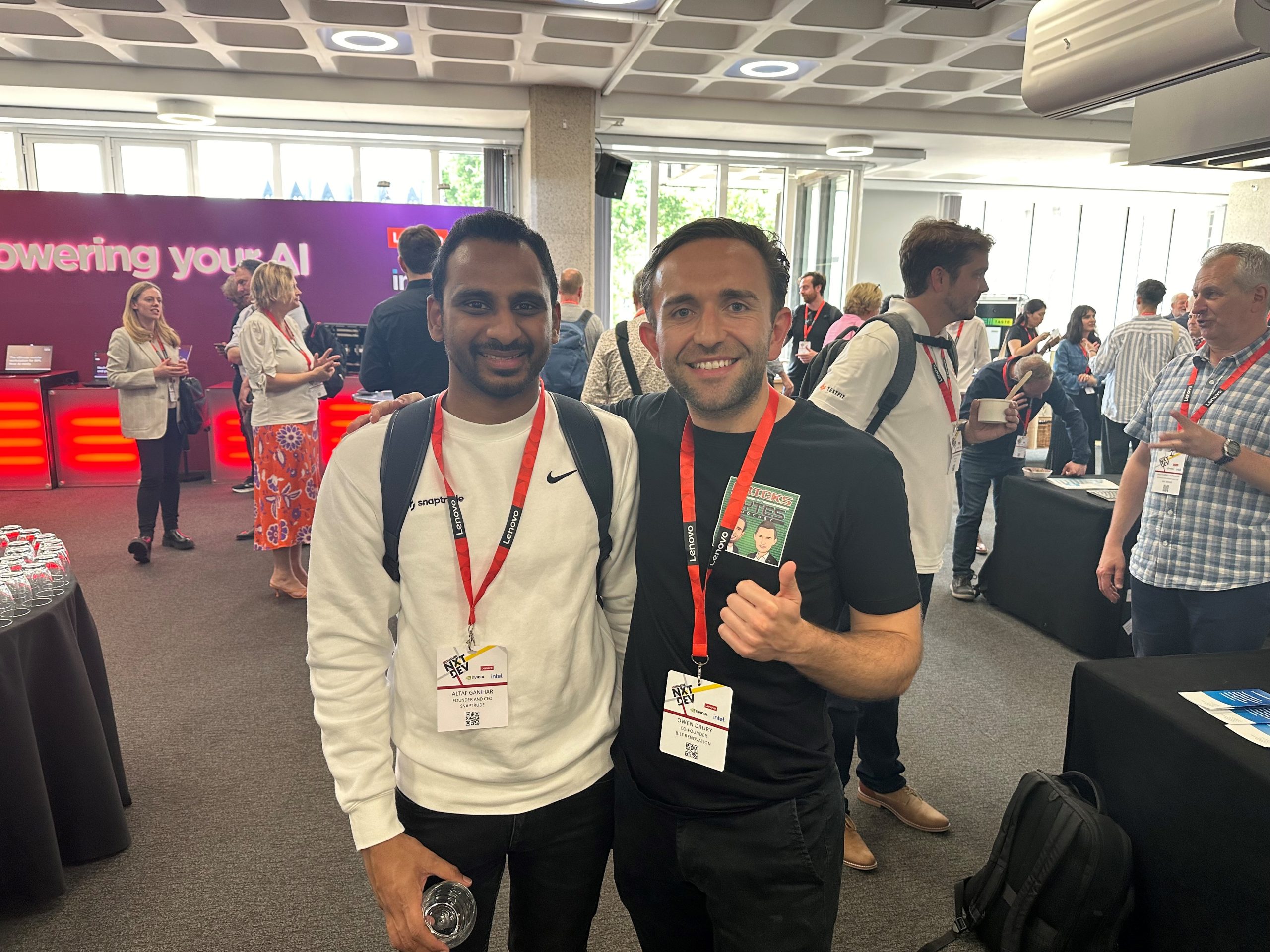
Sometimes the most transformative companies start from the most unexpected places. Altaf Ganihar, founder of Snaptrude, didn’t come from construction or architecture – he was a geometry researcher working in computer vision before neural networks dominated the field. His journey from academic researcher to construction technology founder offers valuable insights for entrepreneurs looking to innovate in traditional industries.
From Academic Project to Company Vision
“I was working on this very interesting project with architects. We were trying to reconstruct a UNESCO World Heritage Site in 3D from ground up,” Altaf recalls. This project led to his first close engagement with architects, where he discovered that most of their software tools were built in the late 90s or early 2000s, with minimal innovation since then.
This observation sparked a hobby project – a plugin for SketchUp. To his surprise, people started buying it even though it was very crude. This success led to a pivotal moment in his career path. When he didn’t get into Stanford for his PhD, he decided to spend a year developing the plugin further to strengthen his resume. That one year changed everything, leading him to recognize a massive opportunity to transform the industry.
The Challenge of Trust in Construction Tech
One of the most illuminating anecdotes Altaf shares involves a mid-size architectural firm. At the design development stage, they realized they had miscalculated their Floor Area Ratio (FAR). They had to reduce the building footprint and essentially redraw the entire project – work that no one would pay for. This story exemplifies why architects are often hesitant to adopt new technology: the cost of mistakes is simply too high.
“More than FOMO (fear of missing out), the most important thing is fear of messing up,” Altaf explains. “The profit margins in architecture and construction are very low. And if you bring in new technology, and if it messes up, you risk losing it… They actually have to give up on that project and make it somewhere else or sometimes even go bankrupt.”
In this episode, we dive into the remarkable journey of Altaf, founder of SnapTrude, who’s reshaping the architecture and construction industry.
Building Trust Through Incremental Progress
Rather than trying to revolutionise everything at once, Snaptrude focused on solving specific problems while integrating with existing workflows. The company stayed in stealth mode for three years until late 2020, working closely with certification bodies to ensure their technology met industry standards.
Altaf emphasises the importance of finding your “corner of the room” – your initial wedge into the market. For Snaptrude, this meant focusing on early-stage design and ensuring seamless interoperability with existing tools like Revit. “You’re not disrupting their workflow, but purely adding value,” he explains.
The Culture Factor
Perhaps surprisingly for a technical founder, Altaf places enormous emphasis on company culture. Snaptrude’s first company value is “give a shit” – about the mission, the vision, and the impact they’re trying to create. This authentic commitment to transformation has helped them maintain a remarkably stable team, with some members even returning after pursuing higher education elsewhere.
Key Lessons for Construction Tech Founders:
Understand the Industry’s Risk Profile. Construction and architecture firms operate on thin margins where mistakes can be catastrophic. Any new technology must prove its reliability beyond doubt.
Focus on Clear Value Addition. Snaptrude focused on reducing non-billable hours and preventing costly mistakes – tangible benefits that firms could easily understand and measure.
Build for the Long Term. As Altaf notes, “It always takes way longer than you anticipate with everything. Take whatever you have, double it and double it again, and then you’ll still be half the way that you need to be.”
Looking to the Future
For entrepreneurs entering the construction technology space, Altaf’s journey demonstrates that success requires more than just technical innovation. It demands patience, persistence, and a deep commitment to understanding industry needs.
As Altaf puts it, success in construction technology is like “batting on a very hard wicket in a test match.” It’s not about quick wins or disruption for disruption’s sake – it’s about meaningful transformation that respects the complexity and consequences of the built environment.