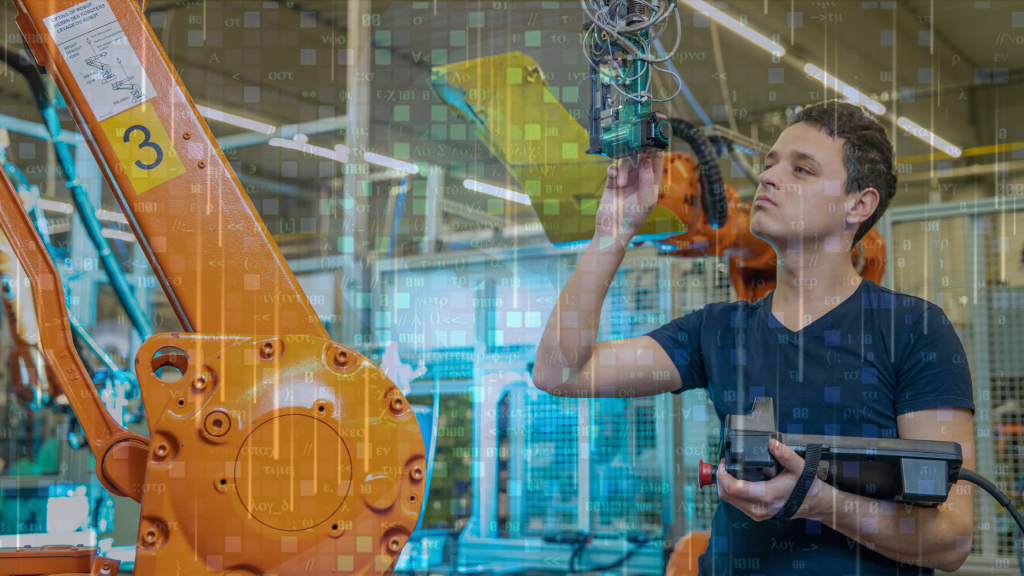
Construction sites are no longer alien territory for robots. As construction companies seek ways to increase efficiency, reduce costs, and improve safety on job sites, the adoption of robotic solutions has become increasingly popular. Robots are being developed not to replace human workers, but to work alongside them. They tackle tasks that are often the toughest, the most tedious, and sometimes even the most dangerous. And one of the most exciting developments in this space is the emergence of Robots-as-a-Service (RaaS).
Understanding Robots-as-a-Service (RaaS)
Think of RaaS like renting a car instead of buying one. It allows companies to access and utilise robotic technologies on a subscription or pay-per-use basis, rather than purchasing the robots outright.
By offering a flexible, cost-effective, and scalable solution, RaaS is poised to transform the construction landscape and unlock new opportunities for innovation and growth.
The key characteristics of RaaS include:
- Flexibility: Need a robot for a short-term project like a bridge repair? No problem. With RaaS, you can scale your robot use up or down as needed. There’s no need to commit to a large upfront purchase that might not be utilised for extended periods.
- Cost-Effective: RaaS eliminates the huge upfront investment required to buy robots. Companies can leverage the latest technology without breaking the bank.
- Maintenance Made Easy: Don’t worry about repairs, software updates, or keeping the robots operational. The robot provider takes care of everything, ensuring you always have access to the latest technology and functioning equipment.
Compared to traditional robot purchasing models, RaaS offers several advantages. Instead of bearing the high initial costs and risks associated with robot ownership, construction companies can allocate their resources more efficiently and focus on their core competencies. Additionally, RaaS allows for greater flexibility and adaptability in an industry known for its dynamic and project-based nature.
According to a report, “The global market for construction robots is expected to reach $226 million by 2025, with RaaS playing a significant role in driving adoption and growth.”
Real-World Examples: Robots on the Job
RaaS isn’t some futuristic concept. It’s already transforming construction:
- Dusty Robotics’ FieldPrinter: Dusty Robotics offers a robot-as-a-service solution for autonomous layout printing on construction sites. The FieldPrinter has been used in various projects, demonstrating the precision and time-saving advantages of robotic technology.
- SAM (Semi-Automated Mason) by Construction Robotics: SAM is a bricklaying robot offered through a RaaS model. It has been successfully deployed on numerous construction projects, showcasing the efficiency and cost-saving benefits of robotic automation.
Here to Stay
The construction industry is on the cusp of a robotic revolution, and Robots-as-a-Service (RaaS) is at the forefront of this transformative change. By providing a flexible, cost-effective, and scalable solution, RaaS is making robotics more accessible and affordable than ever before.
However, it is important to note that robots are not meant to replace human workers, but rather to work alongside them. The human touch, creativity, and problem-solving skills will always be essential in the construction industry. It is an exciting time for us in the built world, and RaaS is at the heart of this revolution.