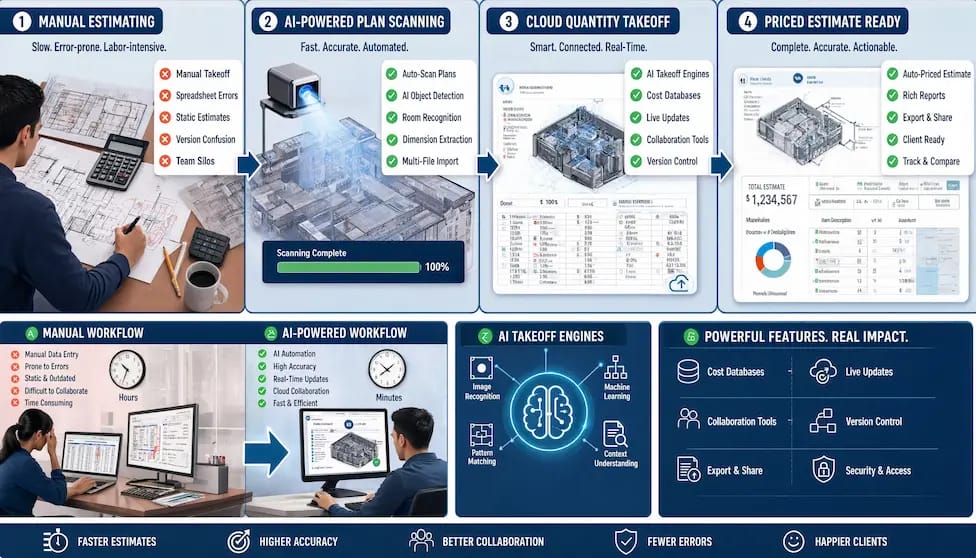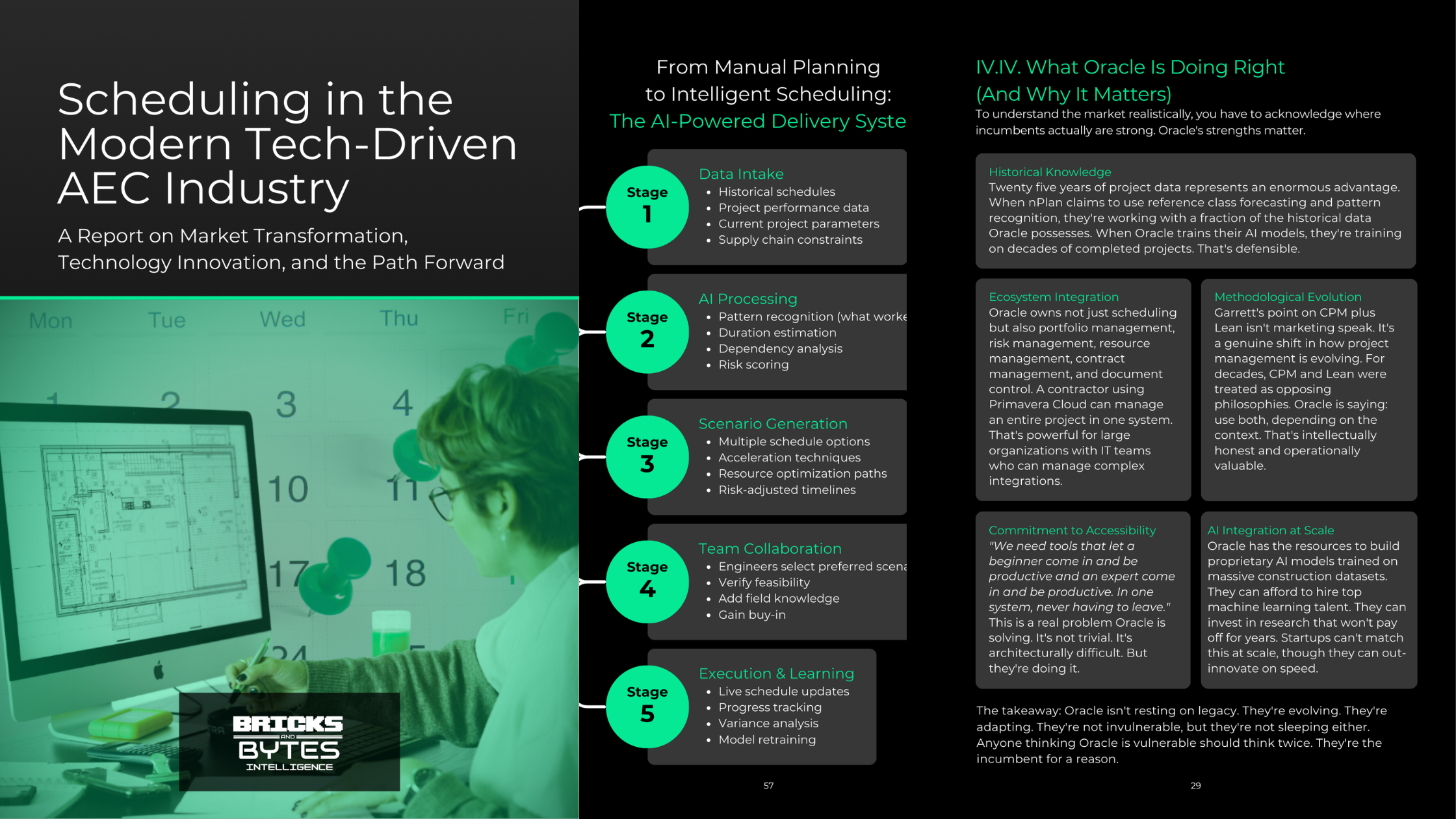

Picture this: a world where every construction project, no matter its size, leverages the full potential of digital technology to achieve unprecedented levels of efficiency, collaboration, and value creation. This is the promise of Building Information Management (BIM), and it’s not just reserved for mega-projects with hefty budgets. In fact, BIM has the power to transform small and medium-sized projects, unlocking hidden value and propelling them to new heights of success.
Bridging the BIM Adoption Gap
Now, you might be thinking, “If BIM is so great, why aren’t all small and medium-sized projects using it?” It’s a fair question, and the answer lies in a combination of factors, including misconceptions about BIM’s applicability, resource constraints, and a general lack of awareness about its potential
But here’s the thing: these challenges are not insurmountable. In a captivating episode of the Bricks and Bytes podcast, Shft co-founder Michelle du Plessis shed light on this very topic. She emphasized that BIM is not a one-size-fits-all solution but rather a catalyst for tailored processes that can adapt to projects of various scales. As Michelle put it, “The key lies in making Building Information Management more approachable for non-experts, bridging the gap between technical jargon and practical insights.
Unleashing the Power of BIM in Smaller Projects
So, what exactly can BIM do for your small or medium-sized project? The answer is simple: it can revolutionise the way you manage and share information, leading to a cascade of benefits that touch every aspect of your project.
Imagine having all your project’s crucial data structured in a user-friendly, easily shareable format. No more hunting for information at handover or struggling with miscommunication among team members. With BIM, you can ensure that everyone is on the same page, working with the most up-to-date and accurate information.
But that’s just the tip of the iceberg. BIM can also help you:
- Collaborate seamlessly, breaking down silos and fostering a spirit of teamwork
- Catch design conflicts early, saving time and money on costly rework
- Optimise material usage, reducing waste and environmental impact
- Elevate the quality of your design and construction, setting your project apart
- Make data-driven decisions with confidence, backed by robust insights
Embracing BIM: Your Roadmap to Success
Now that you’re convinced of BIM’s potential, you might be wondering, “How do I bring this game-changing technology to my small or medium-sized project?” Fear not, because implementing BIM is not as daunting as it may seem.
Start by gaining a clear understanding of BIM’s benefits and aligning them with your project’s unique goals. Next, pinpoint the areas where BIM can make the most significant impact, whether it’s design coordination, material quantification, or facilities management.
Invest in user-friendly BIM tools and empower your team with the training they need to succeed. Establish clear BIM protocols and standards to ensure a smooth and efficient implementation. And don’t hesitate to collaborate with seasoned BIM professionals or digital construction agencies like Shft, who can guide you every step of the way.
The Future is BIM
As the construction industry marches towards a digital future, the adoption of BIM in small and medium-sized projects is no longer optional—it’s essential. With government policies and industry trends increasingly prioritizing information transfer and transparency, those who embrace BIM now will be the ones who thrive in the years to come.
Building Information Management is not just a tool; it’s a key that unlocks the hidden potential of small and medium-sized projects. By harnessing its power, you can transform your project, achieving new levels of efficiency, collaboration, and value creation. So why wait? Embrace the future of construction and let BIM be your guide to success.