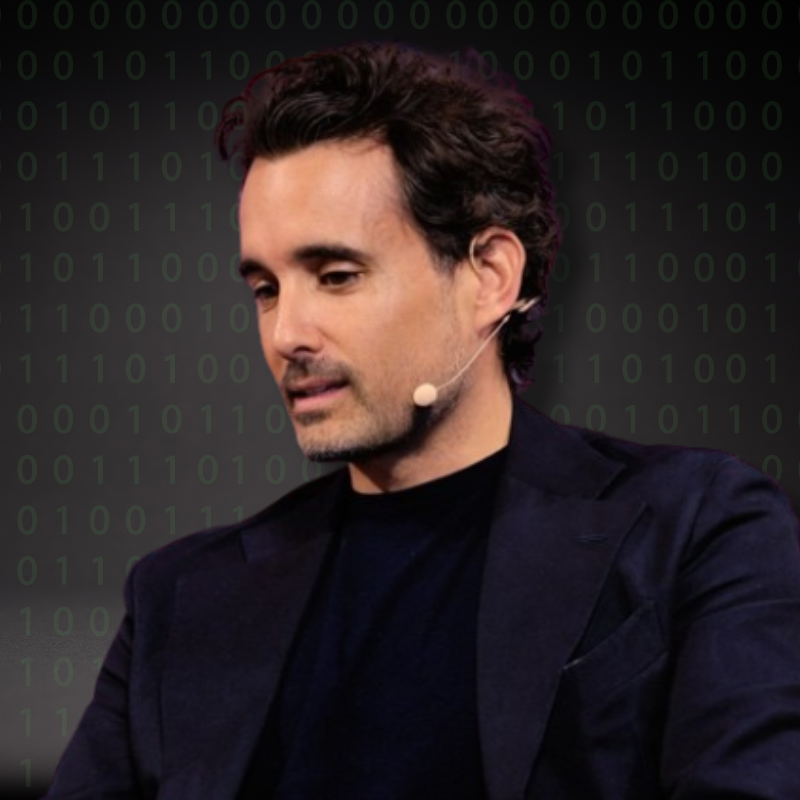
This Q&A is taken from the full podcast episode we recorded with Gregory.
Q: How did your unconventional journey lead you to start A/O PropTech?
A: I’ve always had an appeal for underdogs and proving people wrong. After a long journey through investment banking, entrepreneurship, and real estate, I realized that the built world was an industry ripe for transformation. I saw an opportunity to create a venture capital firm that could drive positive change in the largest, least digitised, and most polluting industry on the planet.
Q: What is A/O PropTech’s investment philosophy?
A: We invest in the positive transformation of the built world, focusing on both sustainability and digital transformation. We believe that to drive meaningful impact, we need to invest not only in decarbonization and climate resilience solutions but also in the digital technologies that will make the industry more efficient and scalable.
Q: Why is the retrofitting market such a massive opportunity?
A: Retrofitting existing buildings is a $100 trillion opportunity, driven by the need to decarbonize the built environment. In Europe, 90% of the buildings that will be here in 2050 are already built, so there’s a huge need for retrofitting solutions. Regulation, customer demand, and pressure from capital markets are also driving the adoption of sustainable practices in the built world.
Q: What are the key characteristics of successful built world startups?
A: Successful built world startups need to understand their ultimate customer, create must-have technology, and demonstrate clear ROI. They need to be resilient, patient, and relentless in pursuing their vision, even in the face of setbacks and challenges.
Q: How does AO PropTech approach investing in founders?
A: We invest in both first-time and experienced founders, and we don’t discriminate based on past failures. We believe that some of the most successful businesses were started by first-time founders, and that past failures can provide valuable lessons and insights. What we look for is resilience, passion, and a deep commitment to solving problems in the built world.
Q: What role does technology play in addressing the labor shortage in the construction and retrofitting industries?
A: Technology is critical in addressing the labor shortage, by enabling the upskilling of workers and attracting new talent to the industry. We’ve seen companies like VARM leveraging technology to create excellence in the installation segment, and others using AI and automation to make construction more efficient and scalable.