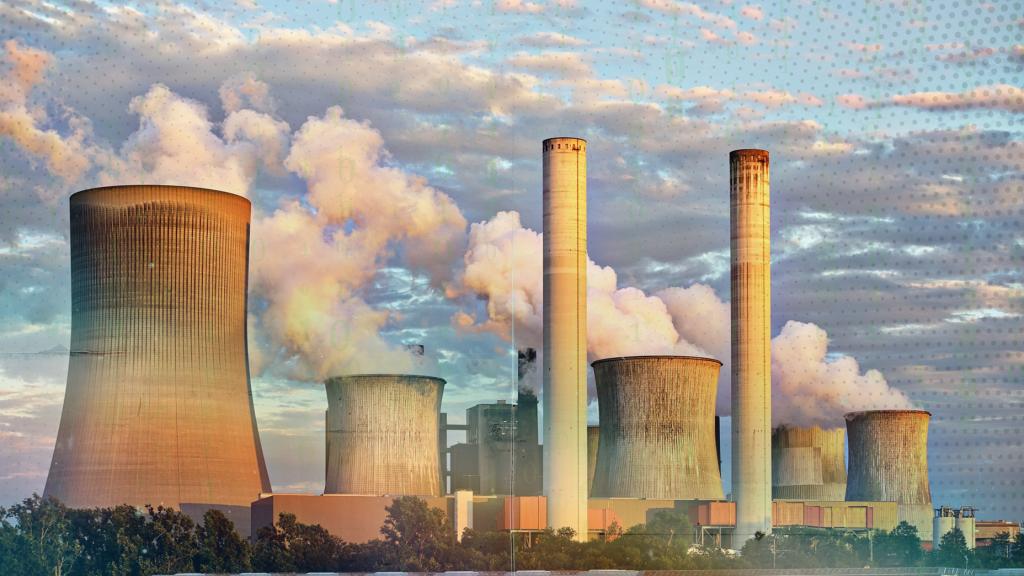
We’re witnessing an intriguing development: the emergence of modular nuclear power plants. With Last Energy’s recent $40 million Series B funding announcement, it’s clear that investors are betting big on innovations in nuclear power plant construction. But what makes this intersection of construction technology and nuclear power so compelling?
The Challenge of Traditional Nuclear Construction
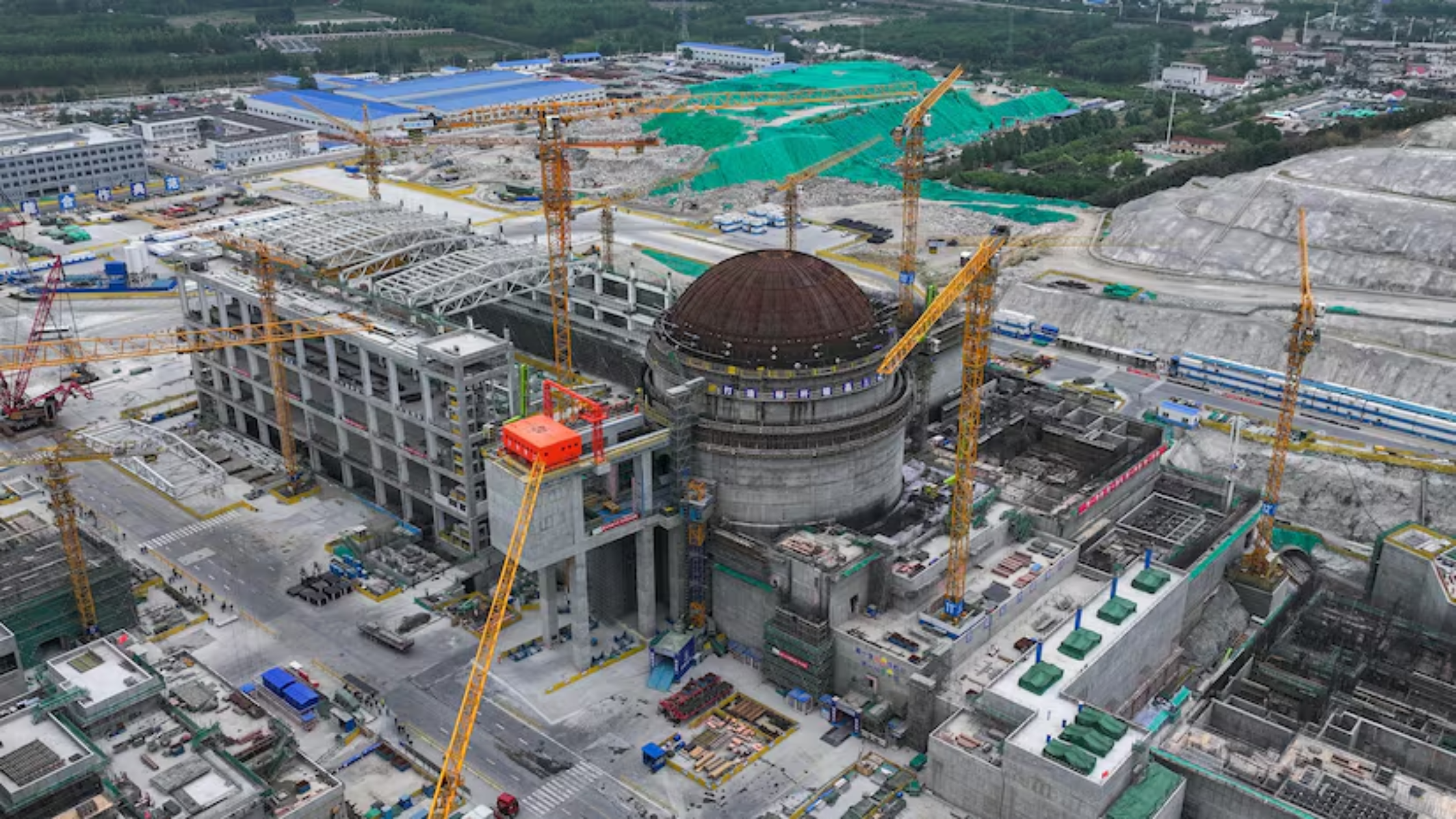
Lengthy timelines and ballooning costs have plagued traditional nuclear power plant construction in the West. Consider this striking contrast: while it takes China approximately five years to construct a nuclear reactor, France’s most recent reactor has been under construction for 17 years. This stark difference isn’t about technological capabilities – it’s about approach.
The Modular Revolution
Last Energy’s solution? A 20-megawatt electric (MWe) micro modular nuclear power plant. While this might sound small compared to traditional 1,000-megawatt nuclear facilities, the innovation lies in standardisation and modularisation – two principles that have transformed other sectors of the construction industry.
“This is not about inventing new nuclear technology,” explains Patric Hellermann. “The nuclear reactor concept is well-understood. The innovation is in standardisation and modularisation of the construction and deployment process.”
In this episode, Jim Cantrell, we discuss Last Energy’s $40 million Series B funding for developing 20 MWe micro modular nuclear power plants.
Why Now? The Perfect Storm
Several factors make this the right time for modular nuclear construction:
Energy Independence: Countries, particularly in Eastern Europe like Poland and Romania, are seeking energy independence from traditional gas suppliers.
Data Center Boom: The rise of data centers creates perfect customers for nuclear power plants. These facilities need constant, reliable baseload power – exactly what nuclear provides.
Climate Goals: As countries push for cleaner energy sources, nuclear power’s minimal emissions make it an attractive option.
The Construction Technology Angle
What makes this a construction technology story rather than just an energy story? It’s all about the innovation in delivery methods:
Standardised Design: Unlike traditional nuclear plants, which are often custom-designed for each site, these modular plants use standardised designs that can be replicated efficiently.
Factory Production: Components are manufactured in controlled factory environments rather than constructed entirely on-site.
Rapid Deployment: The goal is to reduce construction time from years to months through pre-fabrication and standardized assembly processes.
Learning from China’s Success
China’s success in nuclear construction offers valuable lessons. The country has approved 11 new nuclear reactors across five sites, with a total investment of $31 billion. Their secret? A consistent pipeline of projects that enables standardisation and modularisation of construction processes.
This approach has led to remarkable efficiency: China can build multiple reactors for roughly the same cost as two reactors in the United States. It’s a powerful demonstration of how standardization in construction can dramatically impact costs and timelines.
The Market Opportunity
The potential market for these smaller, modular nuclear plants is substantial. Primary customers fall into two categories:
Countries Seeking Energy Independence: Nations looking to reduce dependence on imported energy sources.
Data Center Operators: Companies needing reliable baseload power for their facilities.
Construction Industry Implications
For the construction technology sector, this development represents several opportunities:
Digital Twin Technology: Managing and monitoring nuclear facility construction requires sophisticated digital modeling and tracking.
Quality Control Systems: Nuclear construction demands unprecedented precision and quality assurance.
Project Management Innovation: Coordinating modular assembly requires new approaches to construction management.
Key Considerations
The success of companies like Last Energy could herald a new era in nuclear power plant construction. Rather than massive, decade-long projects, we might see a future of standardized, rapidly deployable nuclear facilities that can be constructed in months rather than years.
However, challenges remain:
Regulatory Approval: While the technology isn’t new, the modular approach requires regulatory buy-in.
Public Perception: Nuclear power still faces public relations challenges in many regions.
Supply Chain: Building a reliable supply chain for standardized components will be crucial.
The Bottom Line
The intersection of construction technology and nuclear power represents a fascinating evolution in both industries. By applying modern construction principles – standardisation, modularisation, and efficient project delivery – to nuclear power plant construction, companies like Last Energy are working to make nuclear power more accessible and practical.
As the world grapples with energy security and climate change, the ability to efficiently construct nuclear power facilities could become increasingly valuable. The construction technology sector stands to play a crucial role in making this future possible.