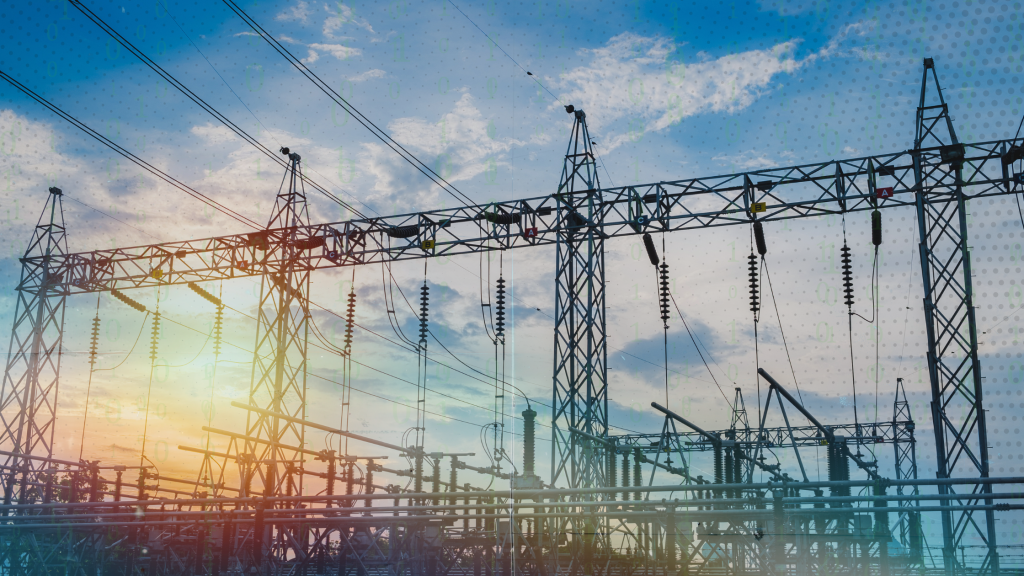
The “electrify everything” movement is gaining momentum. But are we ready for it? As we shift towards electric vehicles and renewable energy, our infrastructure faces unprecedented challenges. Let’s explore how construction technology can help overcome these hurdles.
The Electric Revolution: A Mammoth Task
The numbers are staggering. By 2030, electric vehicles could make up 60% of new car sales. But this electric dream requires a robust infrastructure backbone. We’re talking about a complete overhaul of our power grids, charging networks, and buildings.
The Bottleneck Breakdown
So, where are we getting stuck? Let’s break it down:
- Power Grid Capacity: Our current grids weren’t built for this level of demand.
- Charging Stations: We need millions, and fast.
- Last-Mile Connectivity: Getting power from the grid to every home and business.
- Building Retrofits: Older structures need updates to handle increased electrical loads.
Enter Construction Tech: The Game Changer
Technology isn’t just changing how we build – it’s revolutionising what we can build. Here’s how:
- AI: The Master Planner. Artificial Intelligence is taking project planning to new heights. It can optimise resource allocation, predict bottlenecks, and even suggest the best locations for new infrastructure.
- IoT: The Watchful Eye. Internet of Things devices provide real-time monitoring of infrastructure projects. They can detect issues before they become problems, saving time and resources.
- Digital Twins: The Virtual Playground. These digital replicas of physical infrastructure allow planners to simulate various scenarios. It’s like having a crystal ball for your projec.
- Robotics: The Tireless Worker. From autonomous vehicles to 3D printing, robots are speeding up construction and improving precision.
The Material World: A New Frontier
It’s not just about building – it’s about what we’re building with. As Patric Hellerman discusses during the Bricks, Bucks & Bytes episode AI, EVs, IPOs and InfraMarket’s Billion Dollar Valuation:
“The problem is transformers and inverters, which are basically needed in order to change the voltage level of what you’re producing to where you’re needing it.”
Construction tech is stepping up to help source these critical components and manage complex supply chains.
In this episode of Bricks, Bucks and Bytes, we had Patric Hellermann explore the complex world of construction tech, energy infrastructure, and global market trends.
Upskilling the Workforce
New tech means new skills. Virtual reality training programs are helping workers adapt to new electrification technologies. Online platforms are connecting skilled workers with projects that need their expertise.
Navigating the Regulatory Maze
Regulations around electrification can be complex. Thankfully, software solutions are emerging to help construction firms stay compliant. Some even use AI to predict regulatory changes!
Show Me the Money: Funding the Future
Governments are stepping up. The Biden administration recently earmarked $1.3 billion for EV charging infrastructure. But private investment is crucial too. Construction tech startups focused on electrification are attracting significant venture capital.
A Global Perspective
Different countries are tackling electrification challenges in unique ways:
- China is leading in EV adoption and charging infrastructure. The electric vehicle (EV) market in China has seen remarkable growth, with the country dominating global sales in 2023. Chinese consumers purchased over 3 million EVs, representing more than half of all EV sales worldwide. This impressive performance is part of a broader trend, with the market expanding at a staggering 40% compound annual growth rate over the past five years.

YD beats Tesla for a second straight year after producing more than 3 million cars in 2023 Credit: CNBC - Germany is undertaking a massive overhaul of its power grid to accommodate the surge in renewable energy sources. This initiative, known as the Energiewende (energy transition), involves expanding and modernising transmission lines, implementing smart grid technologies, and enhancing energy storage capabilities. The goal is to efficiently distribute power from wind farms in the north to industrial centres in the south, while maintaining grid stability and reliability.
- India is tackling rural electrification challenges through innovative approaches. These include deploying microgrids powered by solar and biomass, implementing prepaid smart metres to improve revenue collection, and utilising mobile payment systems for easier bill settlement. The government’s ambitious “Power for All” program aims to provide reliable electricity to every household, focusing on sustainable, cost-effective solutions tailored to remote and underserved communities.
Challenges on the Horizon
It’s not all smooth sailing. Construction tech faces its own hurdles:
- Advanced materials that can store and conduct electricity more efficiently
- AI systems that can autonomously manage entire power grids
- 3D printing technology for rapid infrastructure deployment
Expert Insight: A Word of Caution
While the potential is enormous, Patric Hellermann offers a sobering perspective:
“The implications of “electrify everything” on the infrastructure in order to transport and balance the energy grids physically are orders of magnitude of everything that we have done over the last 10 years to our infrastructure.”
This underscores the critical role construction tech must play in addressing these monumental challenges.
Powering Up: The Path Forward
The electrification challenge is immense, but so is the opportunity. Construction technology is not just a nice-to-have – it’s essential for making our electric future a reality. From AI-powered planning to robotics-driven execution, tech is the key to overcoming infrastructure bottlenecks.