In the world of construction technology, few stories are as compelling as that of Mo Akbari Hochberg and HoloBuilder. It’s a tale of innovation, perseverance, and the power of seeing opportunity where others don’t.
Mo’s journey began far from the dusty construction sites where his technology would eventually make its mark. With a background in computer science and a passion for basketball coaching, he was an unlikely candidate to revolutionise the construction industry. But sometimes, the most transformative ideas come from outsiders who bring fresh perspectives to age-old problems.
“I have this big passion for computer science, for sports, and I see everything going on in Silicon Valley, being in Europe,” Mo recalls. “And I thought, ‘Okay, why can’t I combine this, take some computer scientists, create a team, and bring them to the first league, which is Silicon Valley?'”
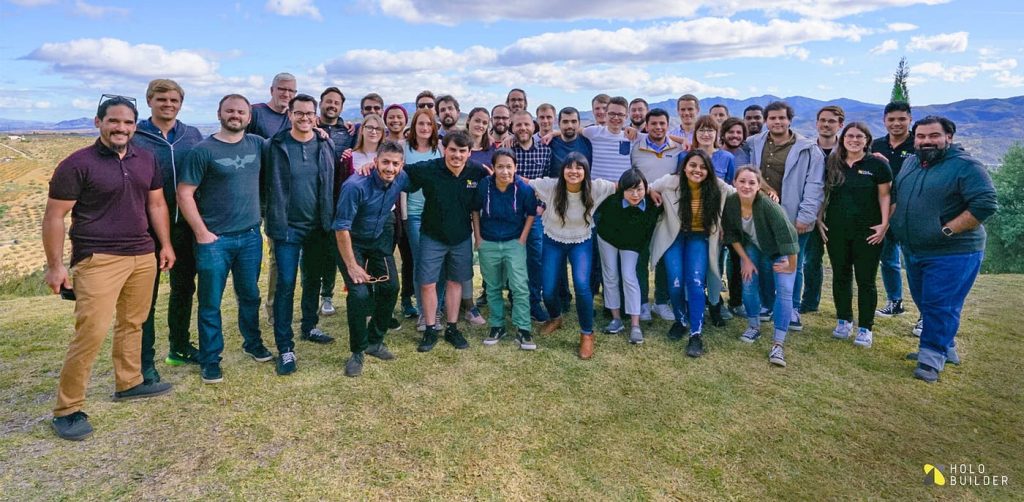
This ambitious vision led Mo to gather a team of talented computer scientists and make the leap across the Atlantic. However, their initial focus wasn’t on construction at all. The team was exploring various applications of augmented reality and machine vision, with no clear industry focus. It was a classic startup story of searching for product-market fit.
The pivotal moment came almost by accident. “We found out when we put a platform out there for free, everybody was using one feature, which was 360 images on our platform,” Mo explains. This unexpected discovery would set the course for HoloBuilder’s future.
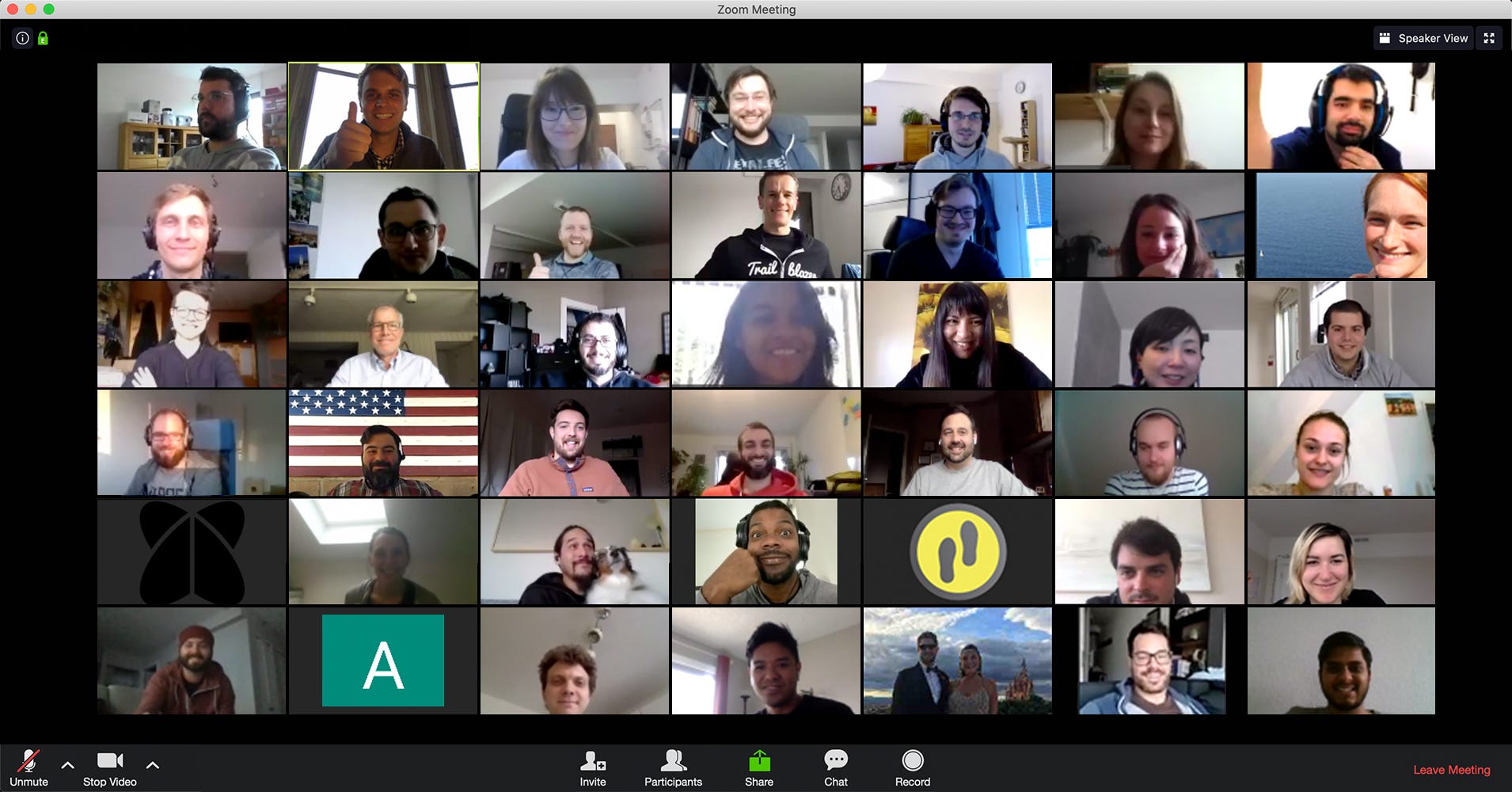
As they dug deeper, they realised that the construction industry was hungry for visual documentation solutions. In 2015, there was no easy-to-use platform for creating and managing 360-degree content in the construction space. HoloBuilder had stumbled upon an untapped market.
The team quickly pivoted, focusing all their efforts on developing a solution tailored to the construction industry’s needs. Their timing couldn’t have been better. As Mo puts it, “Everybody wanted to pay for a free solution.” The demand was clear, and HoloBuilder was positioned to meet it.
But the road ahead wasn’t smooth. Despite the clear market need, HoloBuilder faced significant challenges. They were operating in a capital-intensive industry with well-funded competitors emerging. Companies like OpenSpace were raising massive amounts of venture capital, while HoloBuilder took a more bootstrapped approach.
In total, HoloBuilder raised only about $8 million across two funding rounds. This capital efficiency was both a blessing and a curse. On one hand, it allowed the company to maintain control and focus on building a product that truly met customer needs. On the other, it meant they had to be extremely strategic with their resources, often competing against rivals with much deeper pockets.
Mo and his team had to navigate the delicate balance between achieving product-market fit and meeting investor expectations. The pressure to grow quickly and capture market share was immense, but they remained committed to building a sustainable business.
Their persistence paid off. HoloBuilder gained traction with major customers, including airports and large construction firms. The company’s focus on user-friendly solutions and high-quality data management set them apart in a crowded field.
In this episode of Bricks, Bucks and Bytes, we learned about HoloBuilder’s journey from raising $8M to being acquired by Faro. We also found out that despite big investments, the reality capture market still has room to grow.
As HoloBuilder’s reputation grew, it caught the attention of Faro, a leading provider of 3D measurement, imaging, and realisation technologies. The acquisition offer came at a crucial juncture for Mo and his team. They had a term sheet for another funding round in hand, but Faro’s offer presented an opportunity for a different kind of growth.
The decision to sell wasn’t easy. Mo reflects on the process: “Two or three customers went in the same week to Faro and said, ‘Hey, it’s nice what you have, but actually we want this HoloBuilder thing.’ This customer demand was a key factor in Faro’s interest and ultimately in Mo’s decision to sell.
After careful consideration of the opportunities and challenges ahead, Mo concluded, “We came to the conclusion that it was good timing for everybody to move out at that point.” The exit was a validation of HoloBuilder’s vision and the hard work of the entire team.
Looking back on his journey, Mo offers valuable insights for other entrepreneurs in the construction tech space. First and foremost, he emphasizes the importance of focus. “Build your go-to-market as niche as possible,” he advises. In a complex industry like construction, trying to be all things to all people is a recipe for failure.

Equally important is the concept of adoption. “Adoption, adoption, adoption. That’s something people are really missing,” Mo stresses. It’s not enough to sell a product to construction firms; the real measure of success is whether people on job sites actually use and benefit from the technology.
This focus on user adoption ties into Mo’s philosophy of creating products that people genuinely love to use. He draws an unexpected but apt comparison:
“It should be like cake or burritos here on a job site, so everybody loves to use it or eat it. If you do free burritos or there’s a burrito truck a company paid for, everybody would line up and eat. That’s how it goes. And your product should be the same.”
This “burrito truck philosophy” encapsulates Mo’s approach to product development and customer engagement. It’s about creating solutions that are not just useful, but that people actively want to engage with. In an industry often resistant to change, this user-centric approach can make all the difference.
Looking to the future, Mo sees both challenges and opportunities in the reality capture space. On one hand, he acknowledges that capture technology itself is becoming commoditized. The barriers to entry for creating 360-degree imagery or 3D scans are lower than ever.
However, he also sees vast untapped potential. “Most construction sites do not have a reality capture solution,” Mo points out. Despite the progress made by HoloBuilder and others, there’s still a huge market of construction projects not leveraging these technologies.
Moreover, Mo believes there’s room for further disruption. “There could be a new company. I mean, it’s hard to get funding because people maybe see it as overcrowded. But believe me, I know there are some ways you can disrupt the whole thing now,” he says with the confidence of someone who’s done it before.
He sees particular promise in the application of artificial intelligence to construction data. While many companies claim to be using AI, Mo believes the surface has barely been scratched in terms of what’s possible. He envisions solutions that can not only capture reality but interpret it in ways that drive real efficiencies on construction sites.
The story of Mo and HoloBuilder is more than just a business success story. It’s a testament to the power of fresh perspectives in solving industry-specific problems. Mo’s background in computer science and sports, seemingly unrelated to construction, allowed him to see opportunities that industry insiders might have missed.
It’s also a reminder of the importance of adaptability in entrepreneurship. The HoloBuilder team didn’t set out to revolutionise construction; they followed where the market led them, pivoting from their original ideas to meet a clear customer need.
Finally, it’s a story about the power of focus and user-centricity. In a world where startups often chase growth at all costs, HoloBuilder’s success came from a relentless focus on creating a product that people actually wanted to use.
As the construction industry continues to evolve and adopt new technologies, the lessons from Mo’s journey with HoloBuilder remain relevant. For entrepreneurs looking to make their mark in this space, the key may not be in raising the most money or having the flashiest technology. Instead, it might just be about finding that perfect “burrito truck” solution – the one that has people lining up, eager to take a bite.